Milking Goats for the First Time: What to Know
We may earn a commission for purchases made using our links. Please see our disclosure to learn more.
Milking goats for the first time can feel like a big task, especially if you’re still new to homesteading. But once you get the hang of the routine, the right setup, and the gentle way goats like to be handled, the process becomes almost second nature. This simple guide walks you through the basics so you can start with confidence and keep your herd healthy and productive.
Why Goat Milking Is Different From Cow Milking
It’s not more difficult to milk a goat than a cow, but it feels more intimate. Goats are very tactile animals and very responsive to routine and environment. The size of the goat is smaller – and that also makes the process surprisingly gentle once you get into the rhythm.
Udder anatomy
A goat has two teats on its udder instead of four. That makes it easier to learn the milking routine, but since the udder is smaller, you need to be more precise. Gentle, consistent pressure tells her body to let down the milk, while rough squeezing has the opposite effect.
Production cycles
Goats typically produce milk for 8–10 months after kidding. Many homesteaders “freshen” their goats once a year, aligning breeding schedules with seasonal needs.
Behavior and temperament
Goats don’t enjoy surprises. A calm approach, predictable feeding time, and the same milking routine each day help reduce stress, which supports milk let-down.
When to Start Milking Your Goat
Your goat will begin producing milk after she gives birth. You can start milking within the first few days, depending on your goals.
After kidding
Most homesteaders allow kids to nurse for a period before transitioning to partial or full milking. The first milk, colostrum, belongs entirely to the kids since it’s critical for immunity.
Signs she’s ready
She’ll show a full, firm udder in the morning. If you gently press on the side of the udder and see a slow release of milk, she’s in her production window.
Understanding milk let-down
Goats release milk when they feel safe. Soft talking, light touching, and a relaxed environment increase let-down speed. Stress quickly reduces it.
What You Need Before You Begin
A sturdy milking stand
A stand keeps your goat still and comfortable. Even the calmest goats shift around, so the stand is essential — not optional.
Milking machine
Beginners often start with hand-milking to learn the technique. With more goats, a small electric milker saves time and reduces hand strain.
Sanitizing supplies
Keeping the udder clean lowers the risk of infection. Warm water, clean cloths, and a mild udder wash make a big difference.
Storage containers
Glass or stainless steel containers keep milk fresh and preserve flavor. Avoid plastic because it absorbs odor and microbes over time.
Feed for the stand
A little grain keeps your goat focused and calm.
Step-by-Step: Milking Goats for the First Time
1. Bring your goat to the stand
Lead her gently and offer feed as soon as she’s secured. Regular feeding on the stand makes the routine smoother every day.
2. Clean the udder
Warm water softens the skin and encourages milk flow. Wipe thoroughly, then dry completely. A damp teat invites bacteria.
3. Start milking
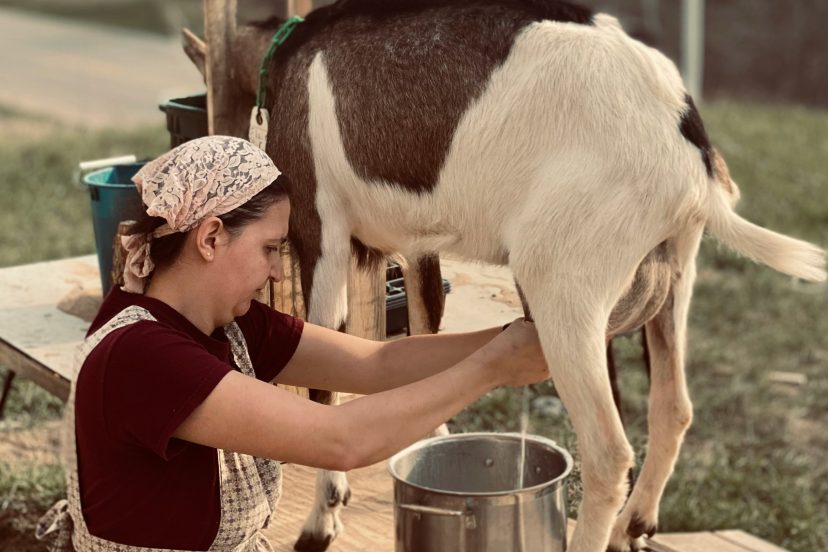
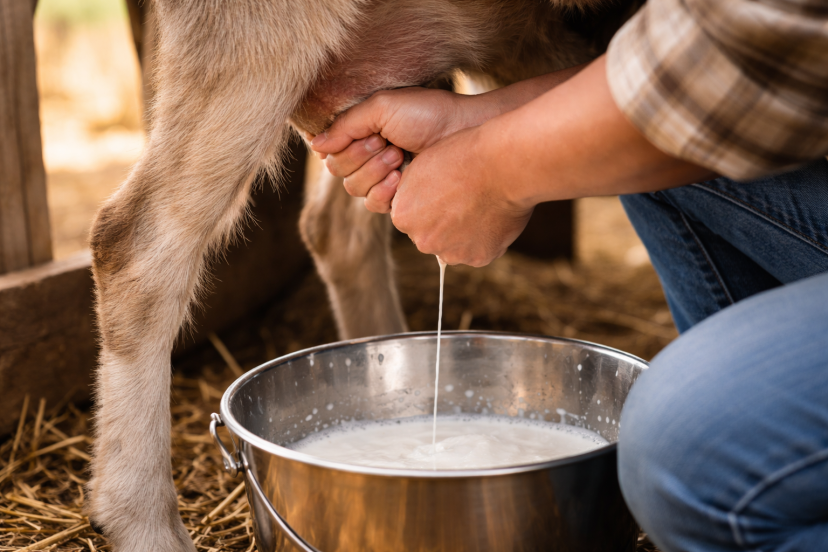
Use your thumb and forefinger to close the top of the teat. Then gently squeeze downward using the rest of your fingers. Never pull. Pulling causes pain and can damage the teat.
If using a milking machine, ensure the suction cups fit snugly and the suction is low. Goats respond best to gentle, rhythmic pulses similar to hand-milking.
4. Filter and store the milk
Strain milk through a fine filter immediately to remove debris. Store it in clean containers, preferably pre-chilled, to maintain freshness.
What Influences Milk Quality the Most
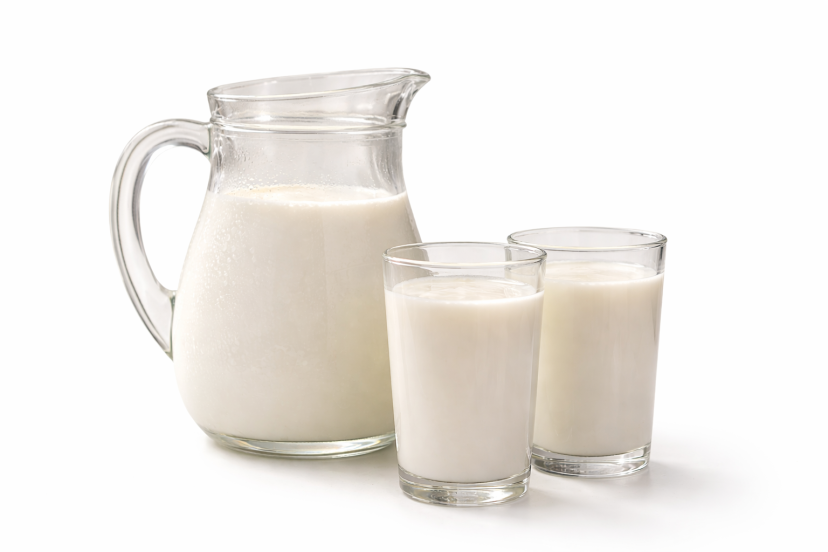
Milk quality starts long before it reaches the bucket. Clean routines and calm handling make the biggest difference, and research backs this up. A study examining how milking hygiene affects raw goat milk found that proper udder prep and clean equipment significantly reduce unwanted bacteria, helping the milk stay fresher and safer.
Udder health plays an equally important role. A large review on udder inflammation in dairy goats showed that even mild irritation can lower milk yield and change the flavor. Consistent milking times and good sanitation were two of the strongest factors in preventing these issues, reinforcing what most homesteaders already see: small daily habits directly shape the quality of your milk.
Many homesteaders prefer natural methods for maintaining a healthy environment around their animals and gardens. If you want ideas, this guide on organic pest control for gardens is a great place to start.
Common Mistakes Beginners Make
Rushing the process
Goats sense impatience. If you rush, they tense up, making milk flow slower.
Skipping sanitation
Dirty buckets, unwashed hands, and wet udders create a perfect environment for bacteria.
Inconsistent schedules
Goats need consistency. Missing milking times — even by a few hours — reduces milk production.
Ignoring early mastitis signs
Warm, lumpy, or painful udders require immediate attention. Catching symptoms early prevents serious infection.
Conclusion
Milking goats for the first time takes patience, but once you learn the rhythm, the process becomes second nature. Your goat relaxes into the routine, your confidence grows, and before long, you’re collecting fresh milk with ease. With the right tools, consistent habits, and a clean environment, you’ll create a milking routine that’s both productive and enjoyable. Homesteading is a journey of small skills learned over time — and this one is worth mastering.
FAQs
1. How long does it take to milk a goat?
Most goats take 5–10 minutes once you establish a routine.
2. Can you milk a goat without a stand?
You can, but it’s harder. A stand keeps both you and the goat comfortable.
3. How often should I milk my goat?
Twice a day works best for maintaining milk supply, especially early in lactation.
4. What should goat milk smell or taste like?
Fresh goat milk has a mild, clean taste with a hint of sweetness. Strong flavors usually come from poor sanitation or certain feeds.
5. Can I drink goat milk raw?
Many homesteaders do, but only when sanitation is excellent. Always chill milk immediately.