Growing Potatoes in Raised Beds: A Complete Guide
We may earn a commission for purchases made using our links. Please see our disclosure to learn more.
Growing potatoes in raised beds makes it easier to control soil quality, drainage, spacing, and moisture. It is especially useful if your native soil is compacted, rocky, or drains poorly. With loose soil and enough depth, potatoes have more room to develop underground. Raised beds also make planting, hilling, watering, and harvesting easier to manage throughout the season.
Why Raised Beds Work So Well for Growing Potatoes
Potatoes perform best in loose, fertile soil that drains freely. Dense or waterlogged ground makes it harder for tubers to develop properly and can increase the risk of rot.
A raised bed lets you create those conditions from the beginning. You control the soil texture, fertility, drainage, and depth instead of trying to repair poor ground year after year.
Raised beds are also easier to work around. Hilling, checking soil moisture, pulling weeds, and harvesting all require less heavy digging.
If you’re building the garden itself from scratch, this guide to DIY raised beds offers several practical designs and explains why raised beds can improve drainage and soil control.
Choosing the Right Raised Bed
You don’t need an unusually deep bed to grow potatoes successfully. A bed around 12 inches deep can work when it sits over usable garden soil. However, 18 inches or more gives you extra soil volume and makes hilling easier.
If the bed sits on concrete, compacted gravel, or another hard surface, additional depth becomes much more useful.
Pick a spot where the bed will get several hours of strong sunlight each day. Potatoes grow best in sunny conditions, so avoid placing the bed where buildings, trees, or fences shade it for much of the day.
Good drainage matters just as much. Make sure excess rainwater can leave the bed rather than collecting around the roots.
Prepare Loose, Slightly Acidic Soil
Potatoes prefer fertile, well-drained soil rather than a dense growing mix.
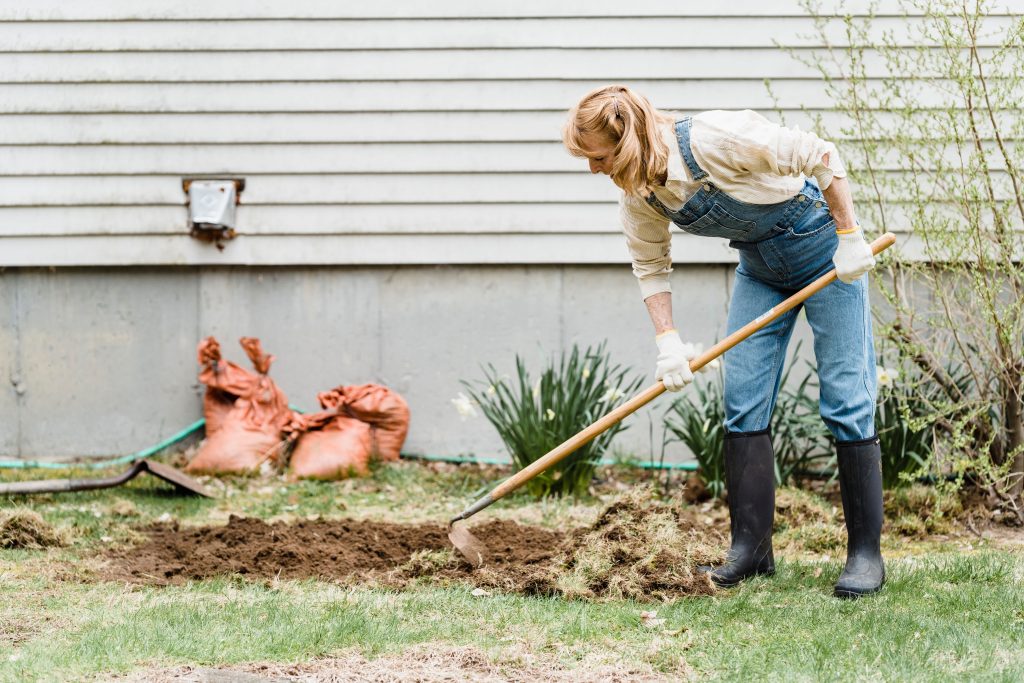
For a new raised bed, combine quality topsoil with mature plant-based compost. Avoid filling the entire bed with compost because pure compost can dry unevenly and may contain more nutrients than the crop needs.
The University of Minnesota Extension raised-bed guide recommends roughly one-half to two-thirds topsoil mixed with one-third to one-half plant-based compost for general raised-bed gardening.
Check the Soil pH
Potatoes like slightly acidic conditions. University Extension recommendations vary somewhat by region, but a range around pH 5.3 to 6.5 generally suits the crop.
Testing is better than blindly adding lime, sulfur, or fertilizer.
The University of Maine potato-growing guide also notes that higher soil pH can make common potato scab more troublesome. That is one reason you shouldn’t automatically lime a potato bed without checking its pH first.
Start With Certified Seed Potatoes
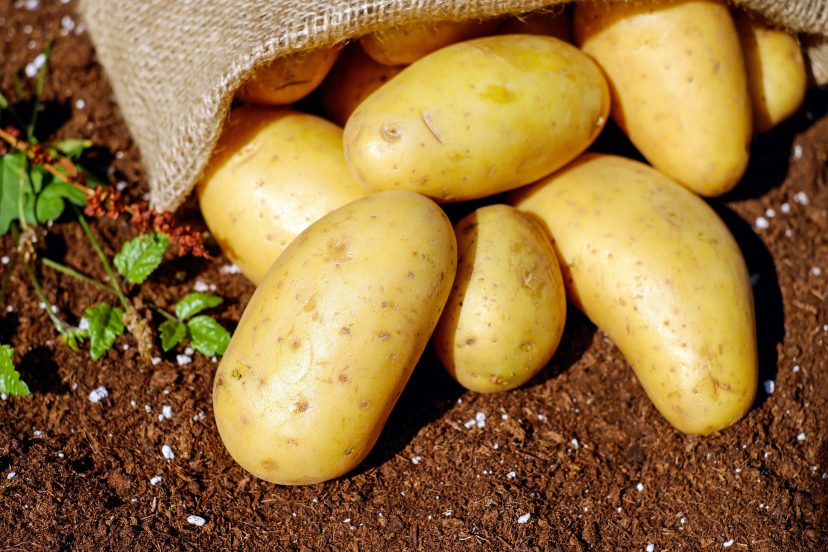
Those forgotten potatoes sprouting in the pantry may look ready to plant, but certified seed potatoes are the safer starting point.
Certified seed stock is produced specifically for planting and has a lower risk of carrying serious potato diseases. The University of Minnesota also recommends buying disease-free seed tubers from a certified grower or distributor.
Smaller seed potatoes usually do not need to be divided before planting. Cut larger ones into sections, making sure every piece has at least one healthy eye or sprout.
Avoid making the pieces unnecessarily small. Each section needs enough stored energy to support the young plant while it establishes roots and leaves.
When and How to Plant Potatoes
Don’t rush potatoes into cold, saturated soil simply because the calendar says spring.
The University of Maine recommends planting once soil has warmed to about 50°F. Cold, wet conditions can encourage seed pieces to decay before vigorous growth begins.
Place seed potatoes roughly 10 to 12 inches apart, with the eyes facing upward. Plant them about 3 to 5 inches deep.
If you’re using several rows in one wide bed, stagger the plants where practical. Leave enough open space around them for airflow and for adding soil later.
Potatoes eventually need more soil around their stems, so don’t pack the bed full at planting time.
Hill the Plants as They Grow
Hilling is one of the most important parts of growing potatoes.
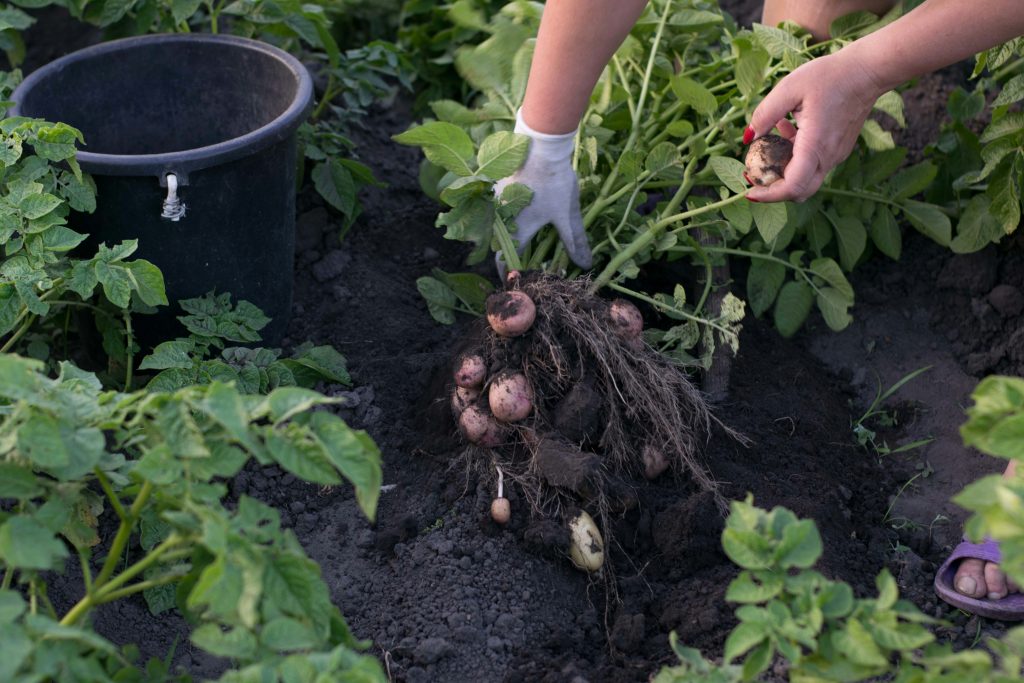
Potato tubers develop on underground stems called stolons. As plants grow, mound additional soil around the lower stems. This keeps developing potatoes covered and prevents sunlight from reaching them.
Light exposure can turn potato skins green and increase concentrations of glycoalkaloids such as solanine, so exposed tubers should not simply be left sitting at the soil surface.
Start hilling when plants reach roughly 6 to 12 inches tall. Pull a few inches of loose soil toward each plant while leaving plenty of healthy foliage uncovered.
Repeat the process as needed. By later in the season, the University of Minnesota suggests having roughly 6 to 8 inches of added hilled soil around the plants.
Straw can help cover the soil surface and conserve moisture, but soil remains useful for creating a stable hill around the stems.
Water Consistently Without Saturating the Bed
Raised beds usually drain faster than in-ground gardens, which is helpful until the weather turns hot and dry.
Do not let the bed dry out during the stage when potatoes are developing underground. Repeated swings between very dry and very wet soil can reduce quality.
As a useful starting point, aim for around an inch of water per week from rain and irrigation combined, then adjust for temperature, soil texture, and drainage. The University of Minnesota recommends thoroughly soaking potato soil once or twice per week rather than giving the plants frequent shallow splashes.
Check beneath the surface before watering. Dry-looking soil on top doesn’t always mean the root zone needs water.
Feed Potatoes Carefully
Potatoes appreciate fertile soil, but more fertilizer does not automatically mean more potatoes.
Excess nitrogen can encourage impressive leafy growth while working against the balanced development you’re actually after underground.
A soil test gives you the best starting point. Add compost and fertilizer according to what the bed needs rather than following a heavy feeding schedule by habit.
When applying granular fertilizer, keep concentrated fertilizer away from the seed potato itself. University of Maine guidance warns that direct fertilizer contact can contribute to seed-piece decay.
Watch for Pests and Disease
Check potato plants regularly instead of waiting until damage becomes obvious.
Colorado potato beetles can quickly strip foliage. Look under leaves for eggs and larvae, and remove them early in a small homestead planting.
Potato plants can also develop fungal diseases such as early blight and late blight. Removing badly infected plant material and avoiding overhead watering can help keep foliage drier.
Crop rotation matters too. Potatoes belong to the nightshade family alongside tomatoes, peppers, eggplants, and tomatillos.
The University of Minnesota recommends avoiding a bed where these related crops have grown during the previous three or four years when possible.
Harvest Potatoes at the Right Time
You don’t always have to wait until the end of the season for your first harvest.
Small “new potatoes” can be harvested while plants are still growing. University of Minnesota guidance suggests they may be ready around seven to eight weeks after planting.
If you plan to store your potatoes, let the tops turn yellow and die back before harvesting. Allowing the skins to toughen makes the potatoes easier to handle and store.
Harvest on a dry day if possible. Use your hands or a garden fork carefully because fresh potatoes bruise and puncture more easily than they look.
Keep harvested potatoes away from sunlight and set aside any damaged tubers for immediate use rather than long storage.
Recommended Products for Growing Potatoes
These tools aren’t required for a successful crop, but each solves a practical problem that comes up when maintaining raised beds.
1. VIVOSUN 10-Gallon Grow Bags
Useful when your raised beds fill up or you want to experiment with additional potato varieties. The breathable fabric provides drainage and gives you portable growing space.
2. Luster Leaf 1601 Rapitest Soil Test Kit
This home kit checks pH along with nitrogen, phosphorus, and potassium. It’s useful for getting a basic picture of bed fertility before adding amendments.
3. Fiskars Ergo Garden Trowel
A sturdy hand trowel is useful for planting seed potatoes, checking moisture beneath the surface, removing weeds, and gently investigating developing tubers.
4. Espoma Organic Garden-tone
Garden-tone is a 3-4-4 fertilizer intended for vegetables, including Irish potatoes. Use fertilizer according to your soil needs rather than assuming every bed needs a full application.
5. Dramm 30-Inch One Touch Rain Wand
The gentle shower pattern makes it easier to soak raised-bed soil without blasting away loose soil around young plants.
Conclusion
Growing potatoes in raised beds is less about complicated tricks and more about giving the crop a comfortable place to develop. Loose soil, reliable drainage, healthy seed potatoes, steady watering, and timely hilling do most of the heavy lifting. Start with one bed and pay attention to how the plants respond. By harvest time, you’ll have more than a basket of potatoes—you’ll also know exactly how to adjust the bed for an even better crop next season.
FAQs
How deep should a raised bed be for potatoes?
A bed about 12 inches deep can work if it sits over usable soil. A deeper bed gives you more room for loose soil and hilling, especially when the bed sits over a hard surface.
How many potato plants fit in a 4-by-8-foot raised bed?
The exact number depends on spacing and how much room you leave for hilling. With plants about 10 to 12 inches apart, a 4-by-8 bed can hold several staggered rows without becoming overly crowded.
Can I grow potatoes from grocery-store potatoes?
Although store-bought potatoes can sometimes sprout, certified seed potatoes are a more reliable option for planting. Grocery potatoes may have been treated to slow sprouting and aren’t produced under the same disease-control standards as certified planting stock.
Do potatoes need full sun?
Yes. Choose one of the sunniest areas of your garden. Strong sunlight supports healthy foliage, which supplies the energy the plant needs to develop tubers underground.
Can potatoes be grown in the same raised bed every year?
It’s better to rotate them when you have enough space. Avoid repeatedly planting potatoes or other nightshades in the same soil because diseases and pests can build up over time.