Fall Homestead Prep: 5 Fall Garden Tasks to Get Ahead Before Winter
We may earn a commission for purchases made using our links. Please see our disclosure to learn more.
Autumn brings a special magic to the fall homestead. But behind the beauty, there’s important work to do. If you skip fall garden prep, you might face tired soil, stubborn weeds, and weak plants next spring. That kind of trouble can make your fall homestead feel less rewarding and much more stressful. Prevent those issues before they start. Take action now. Clear out your beds. Add compost. Plant cover crops. Protect your perennials. These small steps set your fall homestead up for a thriving, healthy garden when warmer days return.
Why Fall Homestead Prep Matters
It’s tempting to leave the garden once the last tomatoes have been picked and the squash vines have shriveled. However, missing fall tasks can lead to a headache in the spring. Overwintering pests, compacted soil, and nutrient depletion are just a few of the problems that might arise if you neglect your homestead garden at the end of the season.
What is the benefit of prepping right now? Richer soil, less weeds, less illness, and a garden that thrives in the spring. A little time spent now can save you hours of work later—your future self will appreciate it.

1. Clear Out Spent Crops and Tidy Up Beds
As the growing season comes to an end, it is time to say goodbye to tired plants. Remove all spent annuals, including tomato vines, bean stems, and cucumber plants. They’ve worked hard, but letting them sit can attract pests and spread disease.
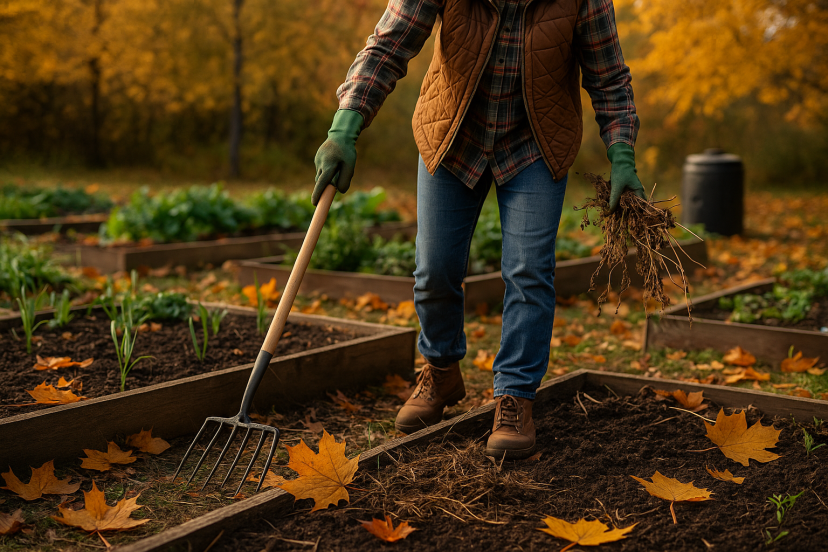
Pull up the roots, gather any fallen produce, and rake away the plant debris. While healthy plants can be chopped up and composted, any signs of disease (such as blight or mildew) indicate that the plants should be removed from the property or burned rather than composted.
Don’t forget to dig out those stubborn weeds. Weeds that remain standing in the autumn frequently drop thousands of seeds, preparing you for a larger battle the following year. Tidying now provides a fresh start when the weather warms up again.
Pro Tip: This affordable home renovation guide contains many practical ideas for improving your outdoor space. Several methods for simplifying and renovating interiors can be applied to the garden.
2. Add Compost and Mulch for Soil Health
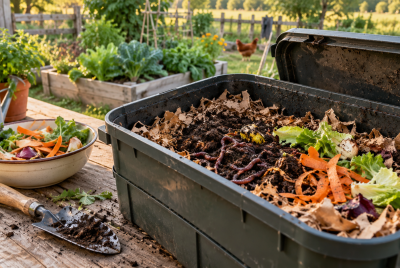
Healthy soil is the secret sauce behind every productive homestead. Fall is the perfect time to add compost, aged manure, or other organic matter to your beds. Spread a thick, even layer over the soil surface, and the earthworms and microbes will do the rest while you cozy up indoors.
After composting, mulch those beds. Mulch—like shredded leaves, straw, pine needles, or even untreated wood chips—does more than just look tidy. It insulates the soil, keeps winter rains from washing away nutrients, and suppresses weeds before they take hold.
- Compost tip: If you don’t already have a dedicated composter, consider investing in the VIVOSUN Outdoor Tumbling Composter. Compost tumblers break down materials faster and make the process cleaner.
- Mulch tip: Collect leaves and grass clippings from your own yard for free mulch that gives back to your soil.
Adding these layers in fall means your garden will be teeming with life and ready for planting much earlier in spring.
3. Plant Fall Garlic, Onions, and Cover Crops
Don’t let your garden sit empty! Fall is the ideal season for planting garlic, onions, and hardy shallots. These crops benefit from a period of cold and will burst forth with growth when the weather turns.
- Garlic: Split bulbs into cloves and plant them root-side down, about 2 inches deep. The California Softneck Garlic Bulbs are a popular, reliable choice for home gardeners.
- Onions: Try Organic Onion Sets for a hassle-free harvest next summer.
Don’t overlook cover crops—sometimes called “green manure.” Options like clover, winter rye, or hairy vetch can be seeded now. They’ll protect your soil from erosion, add organic matter, and, in the case of legumes, return nitrogen to your garden beds.
Letting a cover crop grow through the winter means you can chop and drop it in spring, letting the nutrients work right back into your soil. It’s an easy, sustainable way to build fertility and keep your fall homestead humming even during the off-season.
4. Protect Perennials and Delicate Plants
Not all garden residents go dormant quietly. Fruit trees, berry bushes, perennial herbs, and certain flowers need a little extra care to face winter weather.
- Mulch deep: Pile mulch 4–6 inches thick around the base of trees and perennials, being careful not to smother stems or trunks. This method keeps soil temperatures steady and retains moisture.
- Wrap sensitive plants: Use burlap, frost cloths, or specially designed plant covers to shield delicate shrubs and young trees from freezing winds. For a convenient solution, check out Plant Covers & Frost Blankets.
- Water before freeze: Give your perennials and young trees a thorough watering before the ground freezes. Well-hydrated roots are less likely to suffer winter injury.
This attention now could mean the difference between thriving, blooming plants next year and an expensive spring replacement spree.
5. Clean, Repair, and Store Tools
It’s easy to toss your tools in the shed and forget about them, but a little care now extends their life—and saves money. Wash dirt from shovels, hoes, and pruners. Dry them thoroughly to prevent rust. Sharpen blades and oil moving parts.
- Organize: Hang tools or use a garden rack like the Garden Tool Organizer Stand to keep everything in order and easy to find.
- Inspect: Check hoses for cracks and drain them to avoid freezing. Clean pots, seed trays, and other containers with mild soap and water.
- Sharpen: A Corona Sharpening Tool can help keep pruners and shovels in top shape.
Good tool maintenance doesn’t just make chores easier next year—it can actually save you money in replacements.
Smart Product Picks for Fall Garden Prep
Having the right gear on hand streamlines your fall homestead routine. Here are some top-rated Amazon products, tried by real gardeners:
- VIVOSUN Outdoor Tumbling Composter – Turn kitchen scraps into garden gold
- California Softneck Garlic Bulbs – Perfect for fall planting
- Organic Onion Sets – Easy start for beginner gardeners
- Plant Covers & Frost Blankets – Reliable cold protection
- Garden Tool Organizer Stand – Keep your shed or garage neat
- Corona Sharpening Tool – Essential for keeping blades sharp
Remember, investing in quality tools and inputs is one of the best ways to save time and energy in the long run.

The Value of Autumn Garden Tasks
Research consistently shows that fall garden prep brings real, tangible benefits to your homestead. Recent studies have dug deep into these practices:
A long-term field trial demonstrated that regular compost application in autumn significantly improves soil organic matter, boosts nutrient availability, and increases beneficial microbial activity. This leads to healthier, more productive soil year after year.
Meanwhile, a comprehensive review of mulching techniques found that mulching doesn’t just conserve water—it also moderates soil temperature, suppresses weeds, and enhances overall soil health, giving your garden a clear advantage as it heads into winter.
When it comes to cover crops, a critical review of over 100 studies shows that planting them in fall improves soil structure, boosts organic carbon and nitrogen, and increases microbial biomass. Keeping living roots in the ground and avoiding bare soil helps create a more resilient, self-sustaining garden ecosystem, while also reducing pests and diseases.
Put simply, these tasks are not just “nice to have”—they’re backed by real science and essential for a thriving fall homestead.
Conclusion
Taking time for these five fall garden tasks sets your homestead up for a productive, low-stress spring. Prep your soil, protect your plants, and keep your tools in top shape—your future self will thank you. For more practical ways to make the most of any space year-round, explore these backyard homesteading strategies. Embrace the season, enjoy winter’s peace, and look forward to a thriving garden next year.
FAQs
1. When should I start fall garden prep on my homestead?
Begin as soon as your summer crops have finished and night temperatures dip below 50°F—typically late September through October, depending on your zone.
2. Is it necessary to remove all old plants from my garden beds?
Absolutely. Removing spent crops prevents diseases and stops pests from overwintering in your soil. Compost only healthy plant debris.
3. What is the best mulch for protecting plants in winter?
Shredded leaves, clean straw, pine needles, or untreated wood chips are great choices. They insulate soil, suppress weeds, and slowly add organic matter.
4. How do I know if my perennials need extra protection?
Most established perennials are hardy, but younger plants, certain herbs, and recently transplanted trees can benefit from deep mulch or frost blankets.
5. Can I use homemade compost right away in the fall?
If your compost is fully decomposed—dark, crumbly, and sweet-smelling—it’s ready to spread. If not, let it finish breaking down over winter under a tarp or in a covered bin.