7 Delicious Homestead Recipes for a Cozy Meal at Home
We may earn a commission for purchases made using our links. Please see our disclosure to learn more.
There’s something deeply grounding about homestead recipes. They slow you down. They bring warmth to the kitchen. And most importantly, they turn simple ingredients into meals that feel like home.
Whether you’re living full-time on a homestead or simply craving more intentional cooking, these recipes focus on comfort, nourishment, and practicality. They rely on pantry staples, seasonal produce, and time-tested methods—nothing fancy, just real food done well.
If you’ve ever come home after a long day of work, gardening, or caring for animals and wanted a meal that truly satisfies, you’re in the right place.
Why Homestead Recipes Still Matter
Homestead cooking isn’t about trends.
It’s about sustainability, nourishment, and connection.
Long before modern convenience foods, families relied on slow cooking, preservation, and whole ingredients. These meals weren’t rushed, yet they fit naturally into busy lives.
Today, many homesteaders still follow the same principles:
- Cook from scratch
- Use what’s in season
- Waste as little as possible
- Feed the body and soul
Interestingly, many of these meals pair beautifully with seasonal traditions like apple harvesting, preservation, and baking. If apples play a role in your kitchen, you might enjoy this guide on traditional apple picking and usage during harvest season:
What Makes a Meal Truly “Homestead-Style”
A homestead recipe usually checks a few key boxes:
- Simple ingredients you already have
- Flexible cooking methods (stove, oven, fire, or slow cooker)
- High nutritional value
- Comfort-focused flavors
- Minimal waste
These meals don’t rely on shortcuts. Instead, they reward patience.
Now let’s get into the heart of it—the recipes.
7 Cozy Homestead Recipes You’ll Love
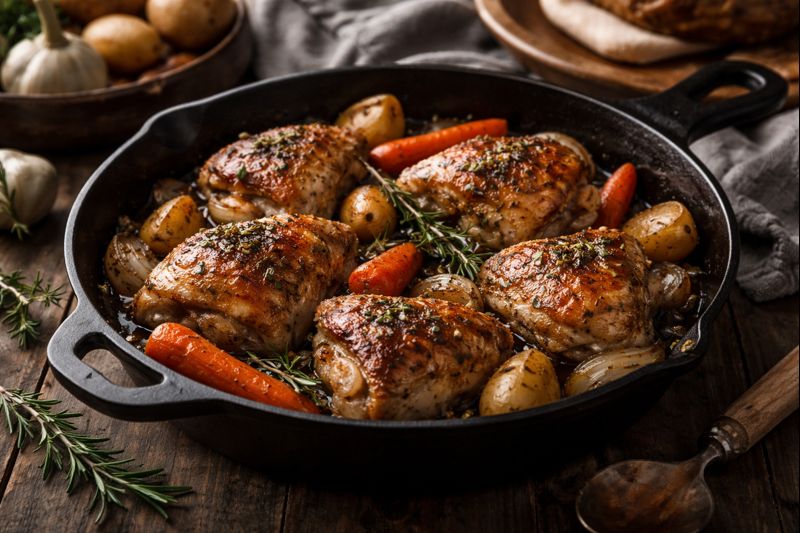
1. Rustic Cast-Iron Skillet Chicken
This dish is a homestead classic for a reason. It’s simple, filling, and full of flavor.
Why it works:
- One-pan cooking
- Affordable, easy-to-find cuts
- Deep, rich flavor with minimal effort
Ingredients (basic):
- Bone-in chicken pieces
- Salt and black pepper
- Garlic (fresh or powdered)
- Dried herbs (thyme, rosemary, or oregano)
- Onion
- Root vegetables (carrots, potatoes, or turnips)
Instructions:
Season the chicken generously with salt, pepper, garlic, and herbs. Warm a cast-iron pan over medium-high heat and place the chicken skin-side down, letting it brown until deeply golden. Flip once, add sliced onions and root vegetables, then transfer the skillet to the oven. Transfer to the oven and cook until the chicken is done and the vegetables soften.
The skin becomes beautifully crisp while the meat remains moist and flavorful.
Serving tip:
Serve with creamy mashed potatoes or warm buttermilk biscuits.
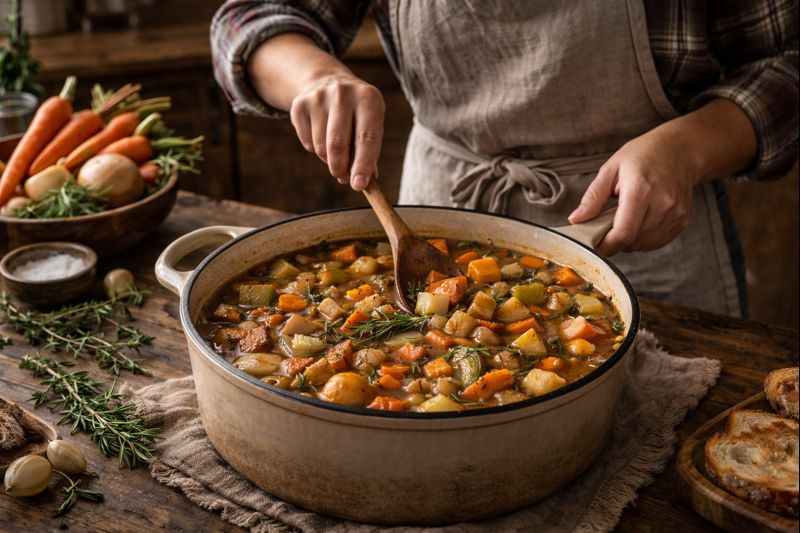
2. Slow-Simmered Root Vegetable Stew
When the weather cools, this stew becomes a go-to meal.
Ingredients (basic):
- Carrots
- Potatoes
- Onions
- Parsnips or turnips
- Vegetable or bone broth
- Bay leaves
- Thyme
Instructions:
Chop all vegetables into even pieces. Add them to a large pot with broth, bay leaves, and thyme. Bring the pot just to a light boil, then lower the heat and let it simmer slowly until the vegetables are tender yet intact.
As it cooks, the flavors continue to deepen.
Why homesteaders love it:
It reheats beautifully and tastes even better the next day, making it perfect for batch cooking.

3. Homemade Buttermilk Biscuits
No homestead kitchen feels complete without fresh biscuits.
Ingredients (basic):
- All-purpose flour
- Cold butter
- Buttermilk
- Salt
- Baking powder
Instructions:
Mix the dry ingredients in a bowl. Combine the cold butter with the dry ingredients until the mixture forms small crumbs. Stir in buttermilk just until combined. Do not overmix. Roll gently, cut into rounds, and bake until golden and flaky.
Serving ideas:
- With stew or soup
- Spread with butter and honey
- Alongside eggs for breakfast
Simple. Reliable. Comforting.
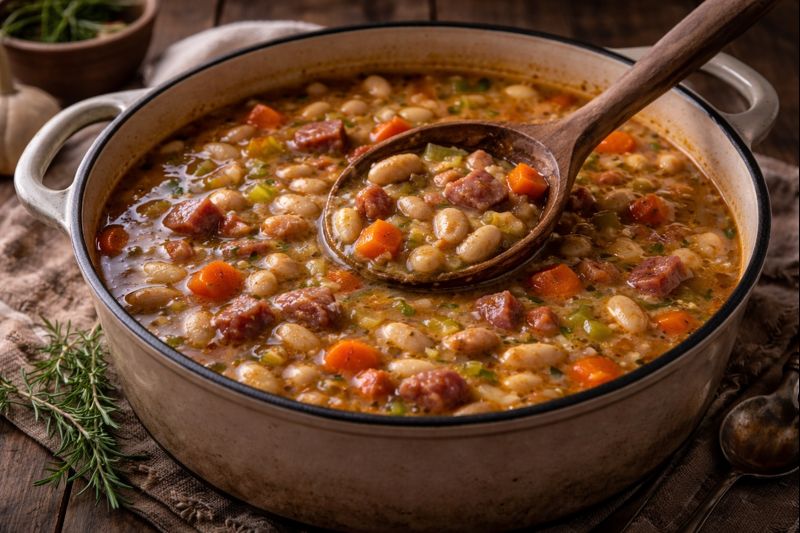
4. Hearty Farmhouse Bean Soup
Beans have fed homesteads for generations for good reason.
Ingredients (basic):
- Dried beans (navy, pinto, or white beans)
- Onion
- Garlic
- Herbs (bay leaf, thyme)
- Ham bone or smoked turkey leg (optional)
Instructions:
Soak beans overnight. Drain and rinse. Add beans to a pot with fresh water or broth, onion, garlic, herbs, and meat if using. Simmer slowly until beans are tender and the broth thickens.
Why it works:
This soup is filling, affordable, and packed with plant-based protein.
5. Skillet Apple Crisp (Homestead Favorite)
Apple desserts belong on every homestead table.
Ingredients (basic):
- Fresh apples
- Cinnamon
- Oats
- Butter
- Brown sugar or honey
Instructions:
Slice apples and toss with cinnamon. Spread them in a skillet. In a separate bowl, mix oats, butter, and sweetener. Sprinkle the topping over the apples. Bake until bubbly and golden.
Serving tip:
Serve warm. Add cream if you have it.
This dessert pairs perfectly with seasonal apple harvest traditions.
6. Creamy Garlic Mashed Potatoes
Mashed potatoes may seem basic, but done right, they’re unforgettable.
Ingredients (basic):
- Potatoes
- Butter
- Milk or cream
- Roasted garlic
- Salt
Instructions:
Boil potatoes until fork-tender. Drain well. Mash with butter, warm milk, roasted garlic, and salt. Keep the texture rustic rather than whipped.
Why they work:
They anchor almost any homestead meal and pair well with stews, chicken, or roasted vegetables.
7. Old-Fashioned Bone Broth
Bone broth stretches ingredients while delivering deep nutrition.
Ingredients (basic):
- Bones (chicken, beef, or mixed)
- Onion
- Vinegar
- Herbs
- Water
Instructions:
Add all ingredients to a large pot. Let it come to a boil, then turn the heat down and allow it to gently simmer.
Simple & readable
Cook for several hours, skimming occasionally. Strain and cool.
The broth turns rich and gelatinous once chilled.
How to use it:
- As a soup base
- In stews
- Sipped warm on cold mornings

Recommended Tools for Homestead Cooking
You don’t need a high-tech kitchen, but the right tools help.
Here are 5 practical Amazon-recommended essentials many homesteaders rely on:
- Cast Iron Skillet (12-inch) – Durable, versatile, and perfect for stove-to-oven meals
- Dutch Oven (Enameled or Cast Iron) – Ideal for stews, bread, and slow cooking
- Manual Grain Mill – Helpful for fresh flour and long-term preparedness
- Heavy-Duty Stock Pot – Essential for broth, canning prep, and batch cooking
- Wooden Cutting Board (Large) – Gentle on knives and perfect for daily prep
These tools last years and reduce dependency on electricity or disposables.
Why Cooking From Scratch Is Good for You
Cooking from scratch has always been part of homestead life. Long before nutrition labels and food trends, people relied on simple ingredients and home kitchens to nourish their families. Today, research shows that this old-fashioned approach still holds real benefits.
A well-known study published in Public Health Nutrition found that people who cook meals at home more frequently tend to eat healthier overall diets. The researchers observed higher vegetable and fruit intake, lower consumption of processed foods, and improved diet quality—regardless of whether weight loss was a goal. In short, cooking at home naturally led to better food choices.
Beyond ingredient quality, scratch cooking also supports digestion and long-term wellness. A detailed review in Cell Host & Microbe examined how fiber-rich whole foods affect gut health and metabolism. The researchers highlighted legumes, root vegetables, and slow-digesting carbohydrates as key foods that help nourish beneficial gut bacteria, reduce inflammation, and support metabolic balance.
Many traditional homestead meals naturally follow these principles. Bean soups, vegetable stews, bone broth, and simple roasted produce rely on whole ingredients and slower cooking methods. These meals avoid ultra-processed shortcuts while delivering steady energy and lasting fullness.
In the end, cooking from scratch isn’t about perfection or restriction. It’s about returning to food that’s simple, nourishing, and deeply satisfying—both for the body and the table.
Conclusion
Homestead recipes aren’t complicated. They’re intentional. They help you slow down, use what you have, and feed the people you care about with real food. Whether you cook over a modern stove or a wood fire, these meals create comfort that no shortcut can replace. If you’re building a more self-sufficient lifestyle—or simply want cozier dinners—start with your kitchen. One pot. One meal. One tradition at a time.
FAQs
1. What are homestead recipes?
Homestead recipes focus on simple, whole ingredients, traditional cooking methods, and minimal waste.
2. Are homestead recipes healthy?
Yes. They often rely on whole foods, slow cooking, and nutrient-dense ingredients.
3. Do I need special equipment for homestead cooking?
No. Basic tools like a skillet, pot, and oven are enough to get started.
4. Can beginners try these recipes?
Absolutely. Most homestead recipes are forgiving and easy to adapt.
5. Are homestead meals budget-friendly?
Yes. They often use affordable staples like beans, potatoes, and seasonal produce.