Beekeeping For Beginners: Everything You Need To Know
We may earn a commission for purchases made using our links. Please see our disclosure to learn more.
Beekeeping for beginners can seem like a lot at first, but it’s simpler than it looks. You’re really just setting up a good home for your bees, getting familiar with how they behave, and checking in on them now and then. With the right setup and a little patience, you can get your first hive going and keep it doing well. This guide will walk you through the basics so you know exactly where to start.
Understanding the Basics of Beekeeping
Beekeeping, or apiculture, is the practice of managing honey bee colonies in man-made hives. Beekeepers care for the bees, monitor their health, and protect them from pests and disease.
Most people keep bees to produce honey, beeswax, and other products like pollen or propolis. Bees also play an important role in pollinating crops and gardens.
Hives are usually kept in a dedicated area called an apiary or bee yard. The setup can be small, like a single hive in a backyard, or larger with multiple colonies.
Basic equipment includes a hive tool, a smoker to calm the bees, and protective gear such as a veil or suit. The most commonly kept species is the honey bee, Apis mellifera.
Beekeeping can be a simple hobby or part of a larger homesteading system, depending on your goals.
Essential Beekeeping Equipment for Beginners
Here are solid, beginner-friendly tools worth investing in:
- Complete Beekeeping Starter Kit – Includes suit, gloves, smoker, and tools—perfect for first-time setup.
- 10-Frame Langstroth Beehive Kit – Pre-cut and easy to assemble, ideal for beginners.
- Bee Smoker with Heat Shield – Durable and easy to handle during inspections.
- J-Hook Hive Tool – A must-have for lifting frames and scraping propolis.
- Beekeeping Veil and Jacket Combo – Lightweight and breathable for warm climates.
These tools simplify your workflow and reduce beginner stress.
Your First Weeks as a Beekeeper
This is where things get exciting.
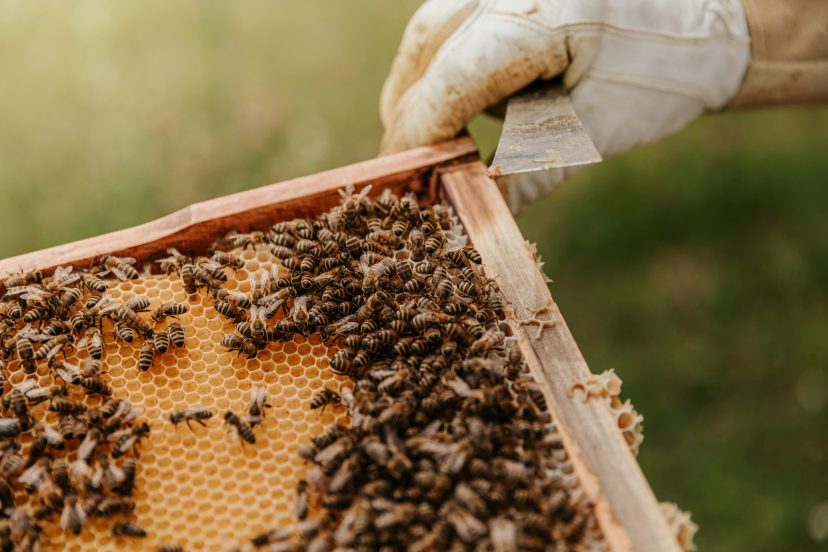
In the first few weeks, your main job is simple: observe and learn.
You’ll start doing:
- Weekly hive inspections
- Watching for eggs (a sign of a healthy queen)
- Checking if bees have enough space
Don’t rush. Move slowly. Bees respond to your energy more than you think.
Choosing the Right Bees to Start With
Here’s a beginner-friendly tip: start with a nuc (nucleus colony) instead of a package of bees.
A nuc already has:
- A laying queen
- Worker bees
- Brood and food stores
That means your colony starts stronger—and you skip the fragile early stage.
Spring is the best time to begin. It allows your bees to grow strong before winter arrives.
Where to Place Your Beehive
Location matters more than most beginners realize.
Choose a spot that:
- Gets morning sunlight
- Faces north to northeast
- Has a water source nearby
- Stays away from foot traffic
A peaceful hive location leads to calmer bees—and fewer surprises for you.
Feeding and Supporting a New Colony
New colonies often need a little boost.
Here’s where a basic 1:1 sugar syrup mixture comes into play. It helps bees:
- Build comb faster
- Store energy
- Stabilize early growth
Once natural nectar flows increase, you can ease off.
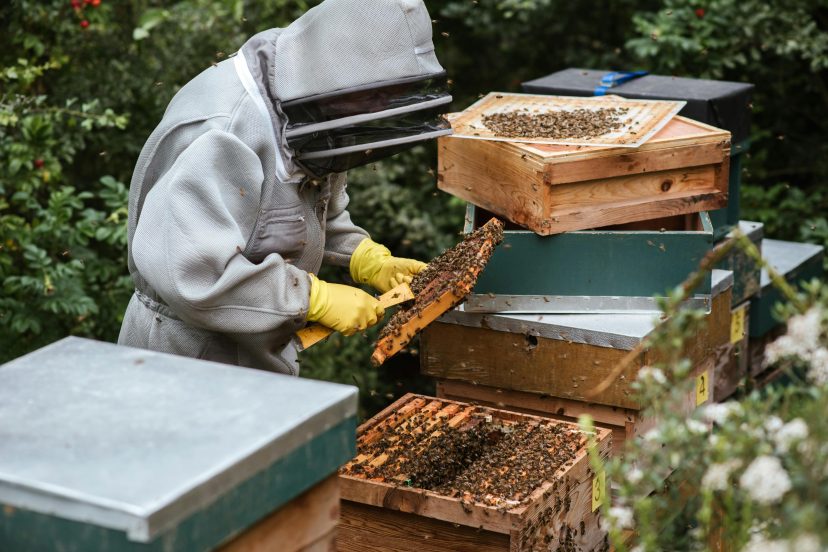
How to Inspect Your Hive (Without Stressing Bees)
This is the part that scares beginners—but it doesn’t have to.
Here’s a simple approach:
- Use your smoker lightly
- Move slowly and steadily
- Avoid sudden jerky motions
During inspections, look for:
- Eggs or larvae
- Honey and pollen stores
- Signs of pests or disease
Think of it as a check-in—not an interruption.
How Simple Beekeeping Habits Keep Your Bees Healthy
It’s easy to think bees will handle everything on their own—but your role as a beekeeper matters more than it seems.
A well-known review on beekeeping management practices and colony health found that how you manage your hive directly affects colony health and productivity.
Simple habits—like regular inspections, proper feeding, and pest control—play a big role in whether your bees thrive or struggle.
In short, strong colonies come from consistent care. You don’t need to be perfect—just steady. Small, regular actions can make a lasting difference in your hive’s health.
When and How to Harvest Honey
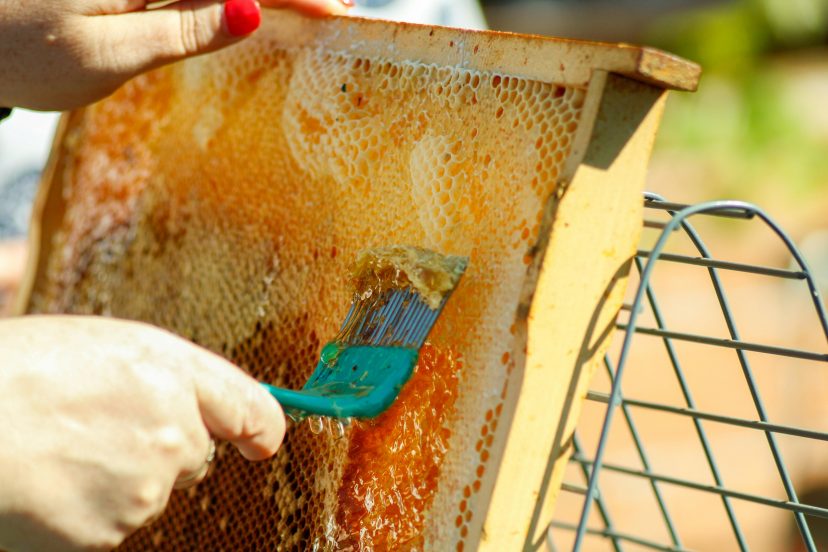
Here’s the moment everyone looks forward to.
Most beginners harvest honey:
- Late summer or early fall
- After ensuring bees have enough stored for winter
Rule of thumb? Take only what the bees can spare.
You’re a caretaker first—not just a harvester.
Seasonal Beekeeping Tips
Beekeeping changes with the seasons.
Spring: Colony growth and expansion
Summer: Honey production and monitoring
Fall: Preparing for colder months
Winter: Minimal disturbance and survival support
Each season teaches you something new.
Common Beginner Mistakes to Avoid
Let’s save you some frustration.
Avoid these early pitfalls:
- Opening the hive too often
- Skipping inspections
- Not feeding when needed
- Placing the hive in a poor location
Also, don’t overcomplicate things. Bees have been doing this for millions of years—they know what they’re doing.
A Small Homestead Tip You Might Not Expect
If you’re building a full homestead setup, pairing beekeeping with other systems makes life easier.
For example, organizing your livestock areas matters just as much as managing your hive. If you’re raising chickens too, take a look at this practical guide on setting up a proper nesting system.
Everything connects—and smart setups save you time long-term.
Final Thoughts
Beekeeping for beginners is simple once you get into the rhythm. Start with the basics, check your hive regularly, and let the bees do most of the work. You’ll learn something new each season, and that’s part of the process. Stick with it, keep things practical, and your hive will grow stronger over time.
FAQs
1. What’s the typical cost to begin beekeeping?
Most beginners spend between $150–$500 depending on gear quality and hive setup.
2. Is beekeeping hard for beginners?
Not really. It feels complex at first, but once you learn the basics, it becomes routine.
3. How often should I check my hive?
Once a week during active seasons is ideal.
4. Do I need a lot of space for beekeeping?
No. Even small backyards can support a hive if placed correctly.
5. Can I start beekeeping without experience?
Absolutely. Many successful beekeepers started with zero experience—just curiosity and consistency.