How to Build Long Term Food Storage on Your Homestead
We may earn a commission for purchases made using our links. Please see our disclosure to learn more.
Food shortages, rising grocery prices, and unexpected emergencies can put real pressure on any homestead. Without a dependable supply of stored food, even a short disruption can quickly become stressful. Building long term food storage may seem like a big job at first, but it starts with a few practical steps. With the right foods, smart storage methods, and a simple plan, you can create a reliable food reserve that supports your household year-round.
Why Long Term Food Storage Matters for Homesteaders
Long term food storage isn’t just about emergencies. It supports everyday homestead living.
When you store food properly, you gain flexibility. You can buy in bulk, preserve seasonal harvests, and reduce frequent trips to the store. That can free up both your schedule and your budget.
More importantly, food storage builds resilience. Weather events, power outages, and supply shortages happen more often than many people expect. A well-stocked pantry helps your household stay calm and comfortable during unexpected disruptions.
Homesteaders also appreciate the independence that comes with reliable food reserves. Instead of relying on outside systems, you create stability right at home.
Start With a Realistic Food Storage Plan
Before buying supplies, take a moment to plan.
A thoughtful strategy prevents waste and keeps your storage system manageable.
Calculate Your Household’s Needs
Begin with simple math.
Ask yourself:
- Think about the number of individuals you’re providing meals for at home.
- How many meals do you prepare each day?
- How long do you want your food supply to last?
Most homesteaders aim for:
- 3 months of food as a starting point
- 6 months for strong preparedness
- 12 months for full independence
Start with a timeframe that feels realistic. You can always expand later.
Choose Foods Your Family Already Eats
This step makes a huge difference.
If your family dislikes a certain food, it will likely sit untouched on the shelf. Focus on familiar staples instead.
Common long-term storage foods include:
- Rice
- Beans
- Pasta
- Oats
- Flour
- Canned vegetables
- Canned meat
- Sugar
- Salt
- Cooking oil
These foods store well and fit into everyday meals.
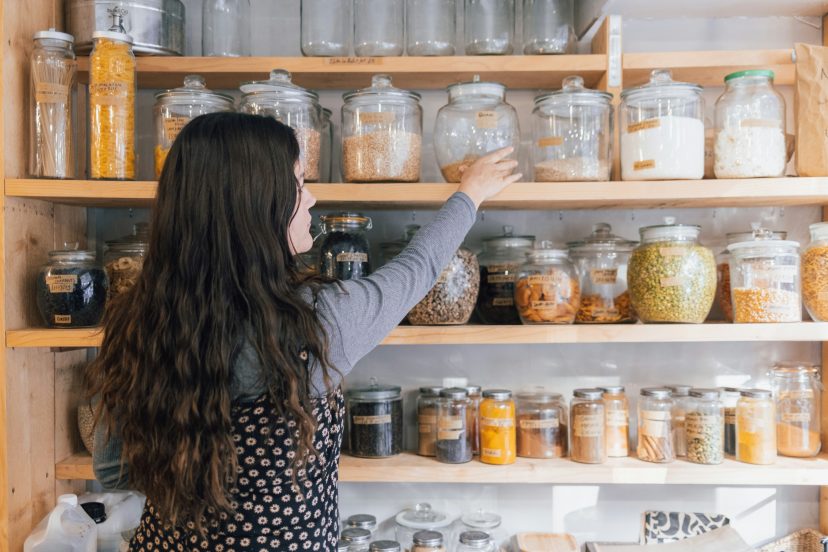
Best Foods for Long Term Food Storage
Not every food lasts the same amount of time. Some stay fresh for decades, while others spoil quickly.
Understanding shelf life helps you build a dependable system.
Dry Staples That Last for Years
Dry goods form the foundation of most long term storage plans.
Examples include:
- White rice
- Dried beans
- Lentils
- Wheat berries
- Rolled oats
- Cornmeal
When stored properly in airtight containers, many of these foods can last 10 to 30 years.
Canned Foods for Convenience
Canned foods provide quick meals during busy days or emergencies.
They also require no refrigeration before opening.
Popular choices include:
- Canned chicken
- Canned tuna
- Canned vegetables
- Canned soup
- Canned fruit
These items usually last 2 to 5 years, depending on storage conditions.
Freeze-Dried Foods for Maximum Shelf Life
Freeze-dried foods offer one of the longest storage times available.
They’re light to handle, take up little space, and require minimal effort to cook.
Many products last:
- 25 years or more
That makes them ideal for emergency reserves.
How to Store Food Safely for the Long Term
Proper storage protects your investment.
Even the best food can spoil if stored incorrectly.
Control Temperature
Temperature plays the biggest role in food preservation.
Keep storage areas:
- Cool
- Dry
- Dark
A consistent temperature between 50°F and 70°F works best.
Avoid storing food in:
- Garages
- Attics
- Outdoor sheds
These spaces often experience temperature swings that shorten shelf life.
Use Airtight Containers
Air and moisture cause food to degrade.
Strong containers protect against:
- Oxygen
- Humidity
- Pests
Common options include:
- Food-grade buckets
- Mylar bags
- Glass jars
- Vacuum-sealed containers
Many homesteaders combine Mylar bags with oxygen absorbers for maximum protection.
Keep Food Off the Floor
This simple habit prevents moisture damage and pest problems.
Use:
- Shelves
- Pallets
- Storage racks
Even a few inches of elevation can make a big difference.
Organizing Your Long Term Food Storage
Organization keeps your system efficient.
Without it, food gets lost, forgotten, or wasted.
Use the First-In, First-Out Method
This method is often called FIFO.
It works like this:
- Use older food first
- Replace it with new supplies
FIFO ensures nothing expires before you use it.
Label Everything Clearly
Clear labels save time and prevent confusion.
Include:
- Food name
- Packaging date
- Expiration date
A permanent marker works well for most containers.
Create a Simple Inventory List
An inventory helps you track supplies.
You can use:
- A notebook
- A spreadsheet
- A wall chart
Review the list once a month to stay organized.
Essential Equipment for Long Term Food Storage
The right tools make storage easier and more reliable. Here are five practical items many homesteaders rely on.
1. Food-Grade Storage Buckets With Lids – Durable buckets protect dry goods from pests and moisture. They stack easily and last for years.
2. Mylar Bags and Oxygen Absorbers Kit – These bags remove oxygen and extend shelf life dramatically. They are ideal for grains, beans, and pasta.
3. Vacuum Sealer Machine – A vacuum sealer reduces air exposure and helps food stay fresh longer.
4. Heavy-Duty Pantry Shelving Unit – Strong shelves keep food organized and off the floor.
5. Digital Food Storage Thermometer – This simple tool helps you monitor temperature and maintain safe storage conditions.
Preserving Food From Your Homestead Harvest
Homegrown food deserves careful storage.
Preserving your harvest reduces waste and supports self-sufficiency.
Canning Fresh Produce
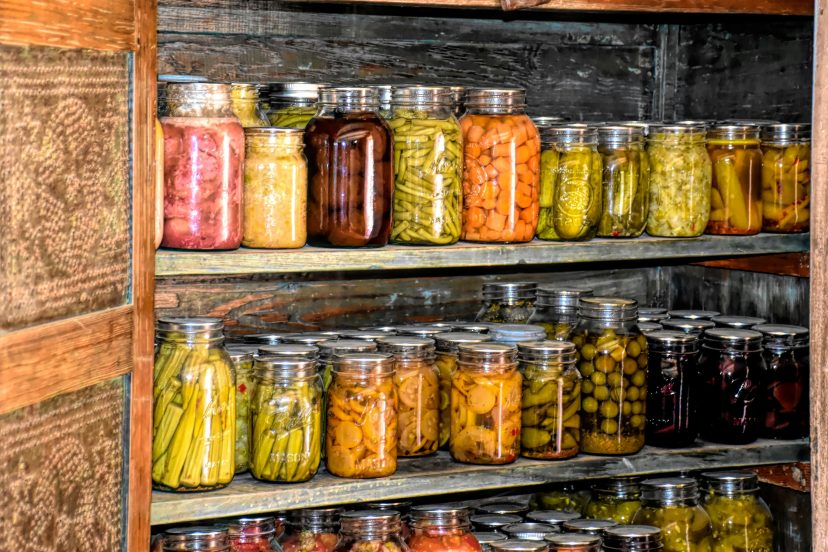
Canning remains one of the most trusted preservation methods.
You can preserve:
- Tomatoes
- Green beans
- Peaches
- Pickles
- Sauces
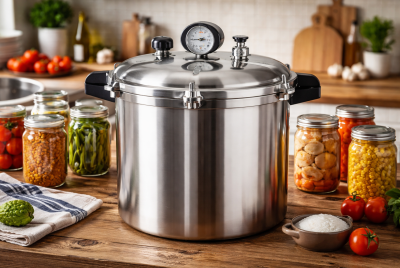
Pressure canning works best for low-acid foods like meat and vegetables.
Dehydrating Fruits and Vegetables
Dehydration removes moisture and extends shelf life.
Popular dehydrated foods include:
- Apples
- Herbs
- Carrots
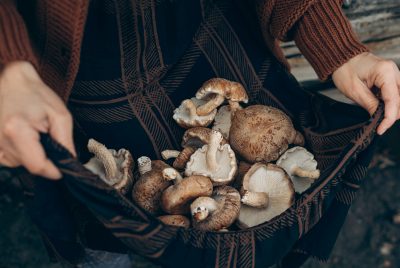
- Mushrooms
If you’re interested in growing and preserving your own fungi, this helpful guide on mushroom cultivation at home explains the process step by step and shows how to turn a small harvest into a reliable pantry staple.
Freezing Food for Flexibility
Freezing keeps food fresh while preserving flavor and texture.
Common frozen items include:
- Meat
- Vegetables
- Berries
- Bread
Always label frozen foods with the date to maintain quality.
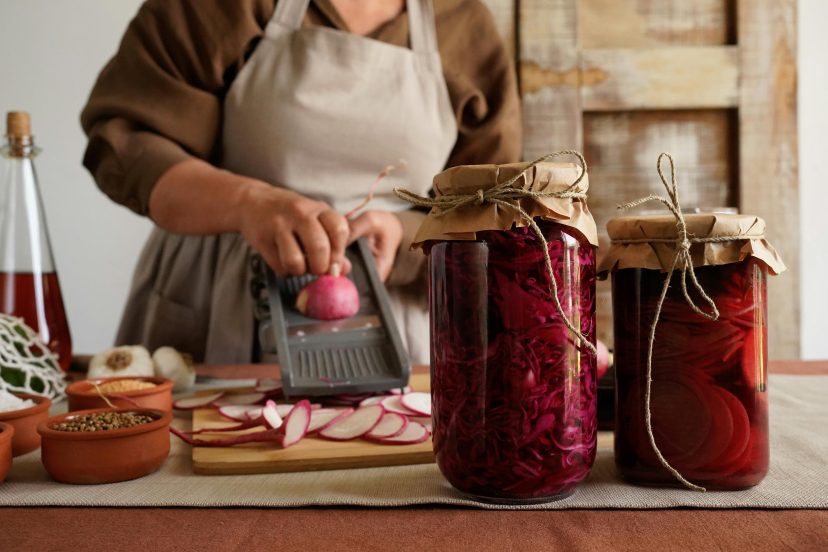
How Proper Storage Extends the Life of Your Food
Long term food storage depends heavily on controlling oxygen and temperature. Even well-packaged food can spoil quickly if exposed to air, heat, or moisture.
Research on how oxygen absorbers improve food preservation shows that removing oxygen slows oxidation and microbial growth, helping dry foods like rice and beans last significantly longer. That’s why many homesteaders rely on airtight containers, Mylar bags, and oxygen absorbers.
Temperature also plays a major role. Studies on the impact of temperature and moisture on food storage safety confirm that cooler, stable environments slow spoilage and preserve food quality.
In simple terms, when you reduce oxygen and keep storage areas cool and dry, your food lasts longer — and your homestead stays better prepared.
Common Mistakes to Avoid in Long Term Food Storage
Most storage problems come from simple oversights. By preventing these common errors, you protect your time and reduce unnecessary costs.
Storing Food Without Rotation – Food that sits untouched eventually expires. Regular rotation keeps supplies fresh.
Ignoring Storage Conditions – Heat and humidity reduce shelf life quickly. Always monitor your storage area.
Buying Too Much at Once – Large purchases can overwhelm your system. Build your supply gradually instead.
How to Expand Your Food Storage Over Time
Building long term food storage doesn’t have to happen all at once. In fact, trying to stock a full year’s supply overnight can feel expensive and overwhelming. A slow, steady approach works better because it spreads out the cost, reduces stress, and helps you learn what your household truly uses.
The goal is progress, not perfection. Even small additions each week can turn a nearly empty pantry into a dependable food reserve within a few months.
Add One Item Each Week
One of the easiest ways to grow your food storage is to add a single staple item during your regular grocery trips. This method feels manageable because it doesn’t require a big budget or major lifestyle changes.
For example:
- Week 1 — Buy an extra bag of rice
- Week 2 — Add a few cans of beans
- Week 3 — Pick up canned vegetables
- Week 4 — Stock oats or pasta
At first, the changes may seem small. However, consistency makes a big difference. After a few months, your shelves will start to fill up, and your food security will improve without straining your finances.
Many experienced homesteaders use this gradual approach because it builds a strong foundation over time.
Store What You Use, Use What You Store
This simple rule keeps your food storage practical and realistic. Instead of buying unfamiliar foods just because they store well, focus on items your family already eats regularly.
When you cook with stored food and replace it during your next shopping trip, you create a natural rotation system. That prevents food from expiring, reduces waste, and keeps your pantry fresh.
In short, your storage becomes part of everyday life — not just an emergency backup.
Conclusion
Long term food storage strengthens your homestead by providing stability, flexibility, and peace of mind. By storing foods your family uses, keeping conditions consistent, and building your supply gradually, you create a system that works in both everyday life and unexpected situations. Start small, stay consistent, and let your pantry grow over time. Each step you take today makes your household more prepared for tomorrow.
FAQs
1. How long should long term food storage last?
Most homesteaders aim for at least three months of food. However, many eventually build supplies that last six months to a year.
2. What foods last the longest in storage?
Dry staples such as rice, beans, wheat, and oats typically last the longest when stored in airtight containers with oxygen absorbers.
3. Where is the best place to store long term food?
A location that stays cool, dry, and shaded is ideal. Basements and interior closets usually provide stable conditions.
4. How often should I rotate stored food?
Check your inventory monthly and rotate supplies using the first-in, first-out method to maintain freshness.
5. Is long term food storage expensive to start?
Not necessarily. Many homesteaders begin with small weekly purchases and gradually build a reliable supply over time.