Best Pressure Canner for Canning Meat and Vegetables
We may earn a commission for purchases made using our links. Please see our disclosure to learn more.
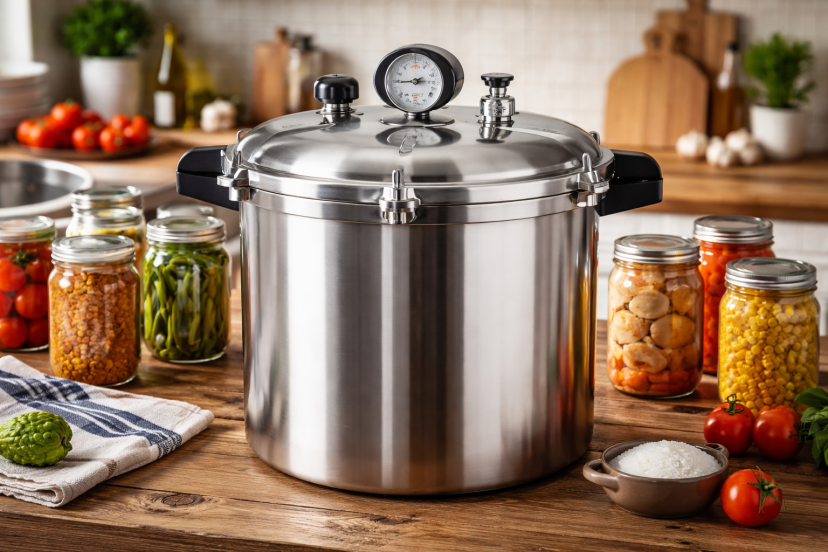
Preserving meat and vegetables at home can feel risky if you’re unsure whether your equipment will keep food safe for long-term storage. Many homesteaders worry about spoilage, wasted harvests, or using the wrong method for low-acid foods. A reliable pressure canner solves that problem by reaching the high temperatures needed to safely preserve your food, and this guide will help you choose the right one with confidence.
Why Every Homesteader Needs a Reliable Pressure Canner
Homesteading often revolves around self-reliance. You grow food, raise animals, and preserve what you harvest. However, without safe preservation methods, that hard work can disappear quickly.
Pressure canning solves that problem.
Unlike water bath canning, pressure canning reaches higher temperatures. Those temperatures destroy harmful bacteria that can survive in low-acid foods like:
- Meat
- Poultry
- Beans
- Corn
- Carrots
- Potatoes
In short, if you grow or raise food, a pressure canner helps you keep it.
It also saves money. Buying meat in bulk, preserving garden harvests, and storing seasonal produce can cut grocery costs significantly over time.
Why a Pressure Canner Isn’t the Same as a Pressure Cooker
This confusion happens all the time. The names may sound alike, but they serve different purposes.
A pressure cooker prepares meals quickly. A pressure canner preserves food safely for long-term storage.
The biggest difference is size and temperature control. Pressure canners hold more jars and maintain consistent pressure for extended periods. That stability ensures harmful bacteria are destroyed.
If you plan to store food on pantry shelves, always use a pressure canner—not a pressure cooker.
How Pressure Canning Keeps Food Safe
Safety sits at the heart of pressure canning. The process uses steam under pressure to reach temperatures above the boiling point.
That extra heat eliminates dangerous microorganisms, including Clostridium botulinum, the bacteria responsible for botulism.
According to guidance from the USDA Complete Guide to Home Canning, pressure canning remains the only safe method for preserving low-acid foods at home. Researchers and food safety experts consistently recommend this method because it reliably destroys bacteria and prevents spoilage.
In other words, pressure canning protects both your food supply and your family.
Key Features to Look for in a Pressure Canner
Before buying a pressure canner, focus on the features that actually matter. Flashy extras rarely improve performance. Solid construction and dependable safety features do.
Size and Capacity
Capacity determines how many jars you can process at once.
Most homesteaders choose:
- 16-quart — good for beginners
- 23-quart — ideal for families and bulk canning
- 30-quart or larger — best for serious food preservation
If you grow a large garden or raise livestock, go bigger. Over time, this approach helps conserve both time and effort.
Safety Features
Today’s pressure canners are built with several built-in safety features. These features prevent accidents and reduce stress during use.
Look for:
- Locking lids
- Pressure release valves
- Overpressure plugs
- Accurate gauges
These systems work together to maintain safe pressure levels throughout the canning process.
Material and Durability
Most pressure canners use either aluminum or stainless steel.
Aluminum heats quickly and weighs less.
Stainless steel lasts longer and resists corrosion.
Both materials work well. However, heavy-duty construction usually signals better performance and longer lifespan.
Ease of Use
A pressure canner should feel straightforward, even for beginners.
Helpful features include:
- Clear pressure indicators
- Comfortable handles
- Simple instructions
- Easy cleaning
If the design feels complicated, the canning process will feel harder than it needs to be.
5 Best Pressure Canner Picks for Homesteaders
Here are five reliable options that consistently perform well in real kitchens and homesteads.
1. Presto 23-Quart Pressure Canner and Cooker
This model remains one of the most popular choices for home canners.
It balances affordability, capacity, and reliability. Many beginners start with this canner and use it for years without problems.
Key highlights:
- Large capacity for batch processing
- Built-in safety systems
- Compatible with most stovetops
- Budget-friendly price
For many homesteaders, this is the sweet spot between cost and performance.
2. All American 921 Pressure Canner
If durability matters most, this canner stands out.
It features heavy cast aluminum construction and a metal-to-metal seal. That design eliminates the need for rubber gaskets, which means fewer replacement parts over time.
Key highlights:
- Extremely durable build
- Long lifespan
- Reliable pressure control
- Made in the USA
This model costs more upfront, but many users consider it a lifetime investment.
3. T-fal Pressure Canner with Pressure Gauge
This canner offers modern safety features and user-friendly controls.
It works especially well for beginners who want clear visual feedback during the process.
Key highlights:
- Accurate pressure gauge
- Multiple safety features
- Easy-to-read indicators
- Lightweight design
It delivers dependable performance without complicated setup.
4. Granite Ware Pressure Canner
This model combines traditional design with practical functionality.
It handles everyday canning tasks well and works nicely for smaller batches.
Key highlights:
- Durable construction
- Simple operation
- Compact design
- Affordable price
It’s a solid choice for new homesteaders or occasional canners.
5. Carey Digital Pressure Canner
Technology lovers often appreciate this digital model.
It automates much of the process, making pressure canning easier for beginners.
Key highlights:
- Digital controls
- Automatic temperature regulation
- Built-in safety features
- Beginner-friendly interface
This option removes much of the guesswork from pressure canning.
Why Proper Pressure Canning Is Essential for Food Safety
Safe pressure canning protects both your food supply and your family’s health. Low-acid foods like meat and vegetables require higher temperatures than boiling water can provide to destroy harmful bacteria.
According to the National Center for Home Food Preservation’s safe canning guidelines, pressure canning is the only recommended method for safely preserving these foods for long-term storage.
Similarly, a review on controlling Clostridium botulinum in canned foods found that maintaining the correct heat and pressure is critical for preventing bacterial growth and toxin formation during storage.
For home canners, using a reliable pressure canner and following tested instructions helps ensure your preserved food stays safe, shelf-stable, and ready when you need it.
Tips for Successful Pressure Canning Meat and Vegetables
A few simple habits can dramatically improve your results.
Start with clean equipment – Wash jars, lids, and utensils thoroughly before each batch.
Follow tested recipes – Reliable instructions ensure correct processing times.
Check seals after cooling – A properly sealed jar prevents spoilage.
Maintain consistent pressure – Sudden changes can affect food safety.
Label every jar – Write the contents and date clearly.
These small steps build confidence and prevent costly mistakes.
Common Mistakes to Avoid
Even experienced homesteaders occasionally slip into bad habits. The good news is that many common errors can be corrected quickly.
Using the wrong equipment – Never substitute a pressure cooker for a pressure canner.
Ignoring altitude adjustments – At higher altitudes, foods need extended processing to ensure safety.
Overfilling jars – Leave proper headspace for expansion.
Skipping maintenance – Regularly inspect seals, valves, and gauges.
Rushing the cooling process – Allow pressure to drop naturally.
Avoiding these mistakes keeps your food safe and your equipment working properly.
Conclusion
A dependable pressure canner gives homesteaders confidence to preserve meat and vegetables safely while reducing food waste and saving money. When you choose the right size, reliable safety features, and proven equipment, the canning process becomes simpler and more consistent. With the right tools and proper methods, you can stock your pantry with shelf-stable food and protect the harvest you worked hard to produce. If you’re expanding your self-sufficiency skills, this helpful guide to beekeeping for beginners is a great next step.
FAQs
1. What size pressure canner should a beginner buy?
Most beginners choose a 23-quart pressure canner. It provides enough capacity for family use without feeling too large or complicated.
2. Can I use a pressure cooker instead of a pressure canner?
No. Pressure cookers do not maintain consistent pressure long enough for safe food preservation.
3. How long does pressure-canned food last?
Properly sealed jars can last one to five years when stored in a cool, dark place.
4. Is pressure canning safe for beginners?
Yes. Modern pressure canners include safety features that make the process straightforward when you follow instructions carefully.
5. What foods require pressure canning?
Low-acid foods that require pressure canning include meat, poultry, vegetables, beans, soups, and seafood.