How to Create a Self-Sufficient Backyard in 8 Simple Steps
We may earn a commission for purchases made using our links. Please see our disclosure to learn more.
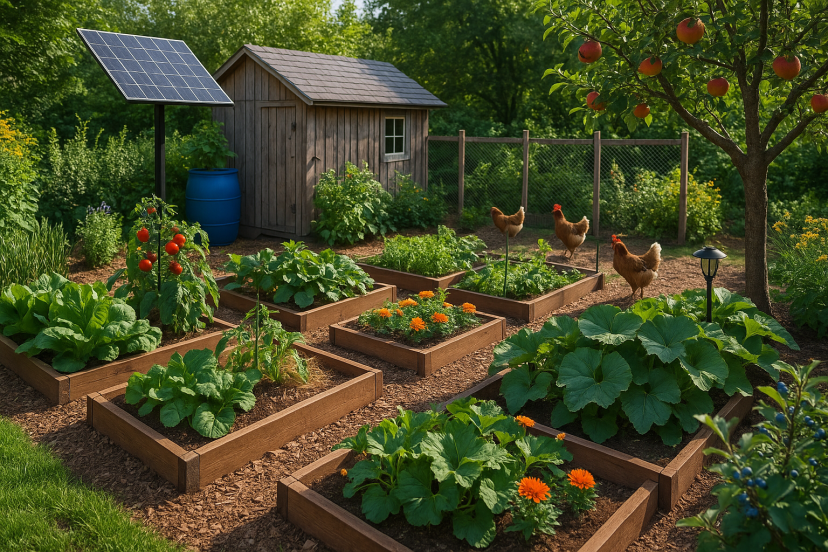
Creating a self-sufficient backyard has become one of the most empowering and rewarding choices homesteaders can make today. Whether you’re looking to grow healthy food, cut down on utility costs, or build a more resilient lifestyle, transforming your outdoor space into a productive mini-homestead brings long-term benefits for your family and the environment. With the right steps—and a willingness to learn—your backyard can evolve into a thriving ecosystem that supports you season after season. Below, you’ll find eight simple steps to help you get started. Each one includes practical tips, proven strategies, and sustainable ideas that fit backyards of all sizes.
Why a Self-Sufficient Backyard Matters Today
More people are turning to self-sufficient backyards these days, and it’s easy to understand why. Prices keep rising, grocery shelves feel less predictable, and many of us simply want to eat healthier, live lighter on the planet, and feel more in control of our own food.
Research shows that small-scale, home-based food production has a much bigger impact than most people realize. One paper, Contribution of Home Gardens to Sustainable Development, points out that simple home gardens can supply a surprisingly large portion—sometimes 20–60%—of a household’s fresh produce. Imagine pulling half of your fruits and vegetables from your own backyard rather than a supermarket shelf. Even better, the study explains how home gardens boost biodiversity, improve soil health, and provide ecosystem benefits like natural pest control and micro-climate cooling.
Another study, ‘Back to the Future’? Urban Backyards and Food Self-Sufficiency, takes a fascinating look at how we’ve drifted away from productive backyard gardens over the last few decades. It argues that bringing back those older traditions—growing food in whatever space you have—could help communities become more resilient in the face of supply issues, economic stress, and climate uncertainty. The author even suggests that urban backyards hold massive untapped potential to strengthen local food systems if more people start growing again.
These studies paint a really encouraging picture: your backyard doesn’t have to be big to make a difference. And that’s the real beauty of a self-sufficient backyard. It’s not just about food or money. It’s about building a more grounded, sustainable way of living that supports you now and keeps giving back in the years ahead.
Step 1: Start With a Productive Garden Layout
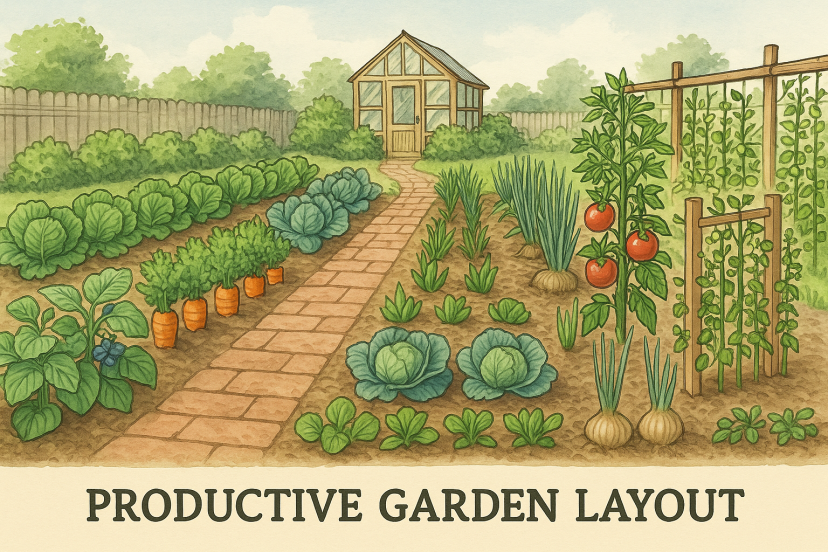
The foundation of any self-sufficient backyard is a productive garden. The layout matters more than many beginners realize. A well-planned layout helps you use space efficiently, manage sunlight, reduce water waste, and avoid overcrowding.
Best Crops for Beginners
Start with crops that grow easily and give generous yields:
- Lettuce
- Tomatoes
- Zucchini
- Cucumbers
- Green beans
- Herbs like basil, oregano, mint, and rosemary
These plants adapt well to most climates and provide quick wins that build your confidence.
Understanding Sun, Soil & Spacing
Before planting, observe how the sun moves across your yard. Most garden veggies thrive when they get a solid six to eight hours of direct sunlight each day. If you have partial shade, don’t worry— leafy greens, herbs, and root crops grow surprisingly well in lower-light conditions.
Spacing is equally important. Crowded plants compete for nutrients, become vulnerable to pests, and produce less. Raised beds solve many of these problems by improving drainage, controlling soil quality, and allowing thoughtful spacing.
Step 2: Build Healthy Soil Naturally
Healthy soil is the backbone of self-sufficient gardening. Instead of relying on synthetic fertilizers, focus on techniques that feed your soil naturally and sustainably.
Composting Basics
Composting transforms your kitchen scraps and yard waste into nutrient-dense soil. All you need is the right balance of:
- Greens: fruit scraps, vegetable peels, coffee grounds
- Browns: dry leaves, cardboard, wood chips
Turn the pile regularly to keep oxygen flowing, and you’ll produce rich compost in a few months.
Mulching for Moisture and Weed Control
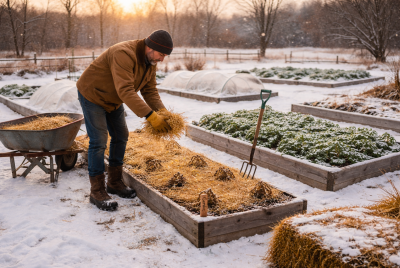
Mulch is one of the simplest ways to create healthier soil. A layer of wood chips, straw, or shredded leaves helps:
- Lock in moisture
- Regulate soil temperature
- Reduce weeds
- Support plant roots
Not only does mulch improve soil health, but it also cuts down on watering—which is crucial for a sustainable, self-sufficient yard.
Step 3: Create a Water-Wise System
Water is a precious resource. A self-sufficient backyard should make the most of what nature provides.
Rain Barrels and Water Catchment
A rooftop rainwater catchment system can collect hundreds of gallons of free water each year. When an inch of rain hits a 1,000-square-foot rooftop, it adds up to more than 600 gallons of water.
This water is perfect for:
- Garden irrigation
- Cleaning outdoor tools
- Watering livestock
- Emergency reserves
Solar-Powered Water Heating
If you’re aiming for deeper self-sufficiency, consider adding solar energy into your system. Solar-heated water works especially well for outdoor cleaning stations, raised bed warmers, and greenhouses.
For a simple DIY setup that beautifully aligns with a sustainable backyard, check out this guide on building your own solar heater. It’s an easy project that saves money and reduces reliance on traditional utilities.
Step 4: Incorporate Small Livestock (Optional but Valuable)
You don’t need acres of farmland to raise animals. Small livestock can be incredibly efficient and manageable in a backyard.
Chickens
The most popular choice, and for good reason. Chickens provide:
- Fresh eggs
- Pest control
- High-quality fertilizer
- Endless entertainment
Most cities allow 4–6 hens, but always verify your local regulations.
Rabbits
Quiet, clean, and space-efficient, rabbits are a smart addition to any backyard homestead. They reproduce quickly, and their manure is a cold fertilizer—meaning you can apply it directly to your garden without composting.
Quail
Think of quail as the “tiny powerhouse” of backyard livestock. They lay nutrient-rich eggs, require minimal space, and grow rapidly. For urban homesteaders, quail offer an easy entry into protein production.
Step 5: Grow Perennials That Keep Giving
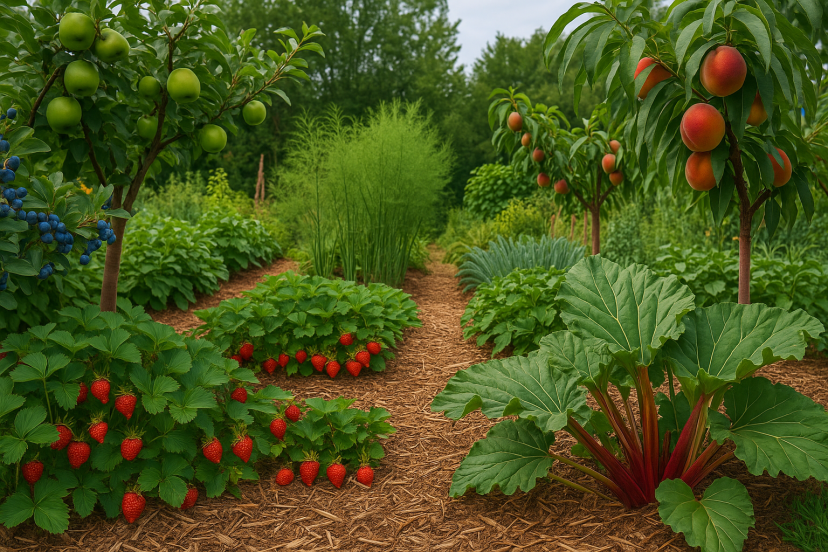
Annual plants need replanting every season, but perennials return year after year with very little effort. Adding perennial crops helps your backyard become productive with minimal ongoing work.
Great options include:
- Raspberries
- Blueberries
- Strawberries
- Rhubarb
- Asparagus
- Fruit trees (apple, peach, pear, fig)
- Aromatic herbs like thyme, sage, and rosemary
Once established, these plants thrive for years and provide consistent harvests with little maintenance.
Step 6: Add Energy-Efficient Systems
No self-sufficient backyard is complete without a few simple energy-efficient upgrades.
Solar Lighting
Solar-powered lights illuminate pathways, garden beds, sheds, and outdoor workstations without increasing your electric bill.
Off-Grid Tools
Consider integrating off-grid or low-energy tools like:
- Manual grain or flour mills
- Solar generators
- Rechargeable garden tools
- Solar-powered fence chargers
These upgrades help you become less dependent on external utilities, especially during power outages.
Step 7: Master Food Preservation
If you grow your own food, preserving it is essential. Food preservation helps you save money, reduce waste, and build a meaningful pantry that lasts throughout the year.
Canning
Use canning to preserve tomatoes, beans, soups, and fruit. A simple water-bath or pressure canner makes it easy to store produce safely for months.
Dehydrating
Dehydrators are perfect for drying:
- Herbs
- Fruits
- Vegetables
- Jerky
Dehydrated food is lightweight, long-lasting, and nutrient-dense.
Cold Storage
Root vegetables like potatoes, onions, carrots, and winter squash last for months in cool, dark spaces such as basements or insulated sheds.
Step 8: Build Skills That Support Self-Sufficiency
Tools and systems matter—but your skills matter more. When you invest in learning new homesteading skills, your backyard becomes more productive, reliable, and fulfilling.
Focus on improving:
- Seed saving
- Water management
- Soil building
- Basic carpentry
- Herbal medicine
- Firewood processing
- Animal husbandry
- Food preservation
Each skill you acquire increases your independence and transforms your backyard into a long-term powerhouse of sustainability.
Recommended Tools & Products
These tools help streamline your journey toward backyard self-sufficiency:
- FCMP Outdoor Tumbling Composter – Beginner-friendly and fast.
- Rain Barrel Diverter Kit – Turns your gutter system into a water collector.
- NESCO Gardenmaster Food Dehydrator – Reliable for herbs, fruits, and veggies.
- Victorinox Swiss Garden Knife – Durable and versatile for everyday harvesting.
- Solar-Powered Garden Lights (12-Pack) – Easy off-grid lighting that lasts for years.
Conclusion
A self-sufficient backyard isn’t created overnight, but each small step you take builds a stronger, more sustainable future for your home. When you grow your own food, generate your own energy, and learn practical skills, you gain resilience, independence, and a deeper connection to the land. Start small, stay consistent, and enjoy the process. Whether your backyard is a tiny patio or a sprawling lawn, you have everything you need to begin living more sustainably today.
FAQs
1. How much space do I need to start a self-sufficient backyard?
You can begin with as little as 50–100 square feet. Container gardens and vertical setups make small spaces extremely productive.
2. Can I raise animals in a backyard?
Yes—many homesteaders keep chickens, rabbits, or quail even in urban or suburban settings. Just check your local ordinances first.
3. What crops grow best for beginners?
Lettuce, herbs, tomatoes, zucchini, cucumbers, and green beans are all beginner-friendly and produce quickly.
4. Does a self-sufficient backyard really save money?
Absolutely. Growing your own produce, preserving food, and reducing utility reliance can noticeably lower monthly costs.
5. What’s the very first thing you should tackle?
Focus on building healthy soil. Once your soil is thriving, everything else—gardening, composting, and harvesting—becomes easier and more productive.