How to Winterize Garden Beds

We may earn a commission for purchases made using our links. Please see our disclosure to learn more.
Preparing your garden for winter is just as important as planting it in spring. If you winterize garden beds properly, you protect the soil from erosion, preserve nutrients, and support the microbes that keep your garden productive. Instead of leaving beds bare, a few simple steps—like removing old plants, adding compost, and covering the soil with mulch or cover crops—help your garden stay healthy through the cold months. For homesteaders who rely on their garden year after year, winterizing ensures the soil is ready for a strong, productive growing season when spring arrives.
Why Winterizing Garden Beds Matters
Many gardeners stop working once the harvest ends. However, your soil remains alive throughout winter.
Billions of microbes, fungi, and beneficial organisms continue breaking down organic matter and building healthy soil structure.
Research published in the Journal of Soil Biology and Biochemistry shows that maintaining organic cover in winter supports microbial activity and improves nutrient cycling.
When you winterize properly, you help your garden:
- Prevent soil erosion
- Reduce nutrient loss
- Protect beneficial organisms
- Suppress early spring weeds
- Improve soil structure
- Boost next season’s plant growth
In short, winterizing helps your soil get better instead of worse during winter.
When to Winterize Garden Beds
Timing matters. You want to start winterizing after the last major harvest but before the ground freezes.
Most homesteaders begin preparing beds:
- Late fall
- After the first light frost
- Before hard winter freezes
At this stage, plant growth slows down and the garden transitions into dormancy.
This window gives you enough time to clean beds, add compost, and protect the soil.

Simple Steps to Prepare Your Garden Beds for Winter
1. Remove Old Plant Debris
Start by clearing out old crops, weeds, and plant residues.
However, don’t rush to remove everything blindly.
Healthy plant materials can go into your compost pile. But if you had disease issues during the growing season, dispose of infected plants away from the garden.
Cleaning beds helps prevent pests and diseases from overwintering.
It also gives you a clean slate for soil improvement.
2. Test and Improve Your Soil
Fall is an excellent time to improve soil quality.
A simple soil test can reveal:
- pH levels
- nutrient deficiencies
- mineral imbalances
Once you understand your soil condition, you can add amendments like:
- compost
- aged manure
- leaf mold
- bone meal
- rock phosphate
According to agricultural research from several soil science institutes, adding organic matter in fall improves microbial activity and nutrient availability by spring.
Spread compost evenly across the bed and lightly work it into the top layer of soil.
This gives microorganisms months to break it down.
3. Add a Thick Layer of Mulch
Mulching is the single most effective way to protect garden beds during winter.
A good mulch layer:
- regulates soil temperature
- protects against erosion
- reduces weed growth
- preserves moisture
- feeds soil life
Homesteaders often use natural materials like:
- straw
- shredded leaves
- pine needles
- wood chips
- grass clippings
Aim for a mulch layer 3–6 inches thick.
This insulating blanket shields soil organisms from freezing conditions.
4. Plant a Winter Cover Crop
If you want to take soil health to the next level, plant a cover crop.
Cover crops—also called green manure—protect the soil and add nutrients.
Popular winter cover crops include:
- winter rye
- clover
- hairy vetch
- field peas
- oats
Studies published in Agronomy Journal show that cover crops improve soil organic matter, reduce erosion, and enhance nitrogen availability.
Once spring arrives, you simply cut them down and turn them into the soil.
5. Protect Raised Garden Beds
Raised beds can lose nutrients faster because they drain more quickly.
To protect them:
- add compost
- cover with mulch
- use landscape fabric or row covers if necessary
Some gardeners also place cardboard beneath mulch layers to block winter weeds.
Raised beds benefit greatly from winter protection because their soil warms faster in spring.
6. Add Organic Matter for Spring Fertility
Winter is when decomposition works quietly underground.
Adding materials like:
- compost
- aged manure
- chopped leaves
- grass clippings
gives microbes something to break down.
Over several months, these materials convert into rich humus that feeds your plants.
Healthy humus improves:
- water retention
- nutrient availability
- soil structure
Your plants will thank you in spring.
Recommended Tools
The right tools make winter garden prep easier and more effective.
Here are five useful tools many homesteaders rely on.
1. Fiskars Steel Garden Rake
A sturdy rake helps remove debris, smooth soil, and spread mulch evenly across garden beds.
Best for: clearing leaves and preparing beds.
2. Corona Garden Hand Trowel
A strong hand trowel makes digging, soil amendment mixing, and planting cover crops simple.
Best for: raised beds and small homestead gardens.
3. Garden Weasel Cultivator
This rotary cultivator loosens soil quickly without heavy digging.
Best for: aerating beds before adding compost.
4. Heavy-Duty Garden Kneeler and Seat
Winter garden work can be tough on your knees and back. A kneeler helps reduce strain while working on beds.
Best for: long garden prep sessions.
5. Leaf Mulcher or Garden Shredder
Shredded leaves make excellent mulch. A leaf mulcher quickly converts fall leaves into nutrient-rich soil cover.
Best for: sustainable mulch production.
Natural Materials That Work Best for Winter Mulch
Not all mulch materials perform equally.
Some break down faster, while others provide stronger insulation.
Here are some excellent options.
Straw
Straw provides insulation and slowly adds organic matter to the soil.
Shredded Leaves
Leaves are one of the best free mulch materials available to homesteaders.
They decompose quickly and feed soil microbes.
Wood Chips
Wood chips last longer and protect beds from harsh weather.
Compost
Compost works as a protective mulch while also enriching the soil with nutrients.
Pine Needles
Pine needles allow airflow while protecting soil.

How Mulch and Cover Crops Improve Soil During Winter
When you winterize garden beds, two simple practices make a big difference: adding mulch and planting cover crops. These methods protect the soil while improving its health for the next growing season.
Organic mulch—such as straw, shredded leaves, or wood chips—acts like a protective blanket over the soil. It helps regulate temperature, reduce erosion, and retain moisture. Research on how organic mulching influences soil bacterial communities found that organic mulch increases beneficial soil bacteria and improves nutrient cycling, which supports healthier plant growth.
Cover crops also play an important role. Plants like rye, clover, and field peas grow during cooler months and protect soil from erosion while adding organic matter. A comprehensivereview on the impact of cover crops on soil properties shows that cover crops improve soil structure, increase organic carbon, and enhance microbial activity.
Together, mulch and cover crops help your garden soil stay active through winter, so when spring arrives, your beds are healthier and ready for planting.
Common Winter Garden Mistakes
Even seasoned gardeners can occasionally overlook important steps when preparing their garden for winter. Here are a few to avoid:
Leaving Soil Bare
Bare soil loses nutrients and structure quickly.
Always cover it with mulch or crops.
Adding Fresh Manure
Using raw manure can harm plants and potentially introduce harmful bacteria into the soil.
Use aged manure instead.
Overworking the Soil
Excessive digging can disrupt soil life.
Gentle cultivation works best.
Ignoring Soil Tests
Without testing, you might add unnecessary amendments.
Testing prevents imbalance.
Conclusion
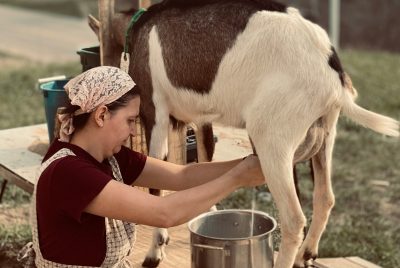
Learning how to winterize garden beds is one of the simplest ways to improve your garden year after year. Instead of letting winter damage your soil, you can use the season to strengthen it. By clearing beds, adding compost, applying mulch, and planting cover crops, you create a protective system that nurtures the soil ecosystem. When spring arrives, your soil will be richer, healthier, and ready for planting. For homesteaders building practical farm skills, you might also enjoy learning the basics of livestock care, like milking goats.
FAQs
1. When should I winterize garden beds?
Most gardeners winterize beds in late fall after the final harvest but before the ground freezes.
2. What is the best mulch for winter garden beds?
Straw, shredded leaves, compost, and wood chips work well. They insulate soil and slowly add nutrients.
3. Should I till my garden before winter?
Light cultivation is fine, but heavy tilling can disrupt beneficial soil organisms. Many homesteaders prefer minimal disturbance.
4. Do I need cover crops every winter?
Cover crops are optional but highly beneficial. They protect soil and improve fertility.
5. Can raised garden beds stay outside during winter?
Yes. Raised beds should simply be protected with compost, mulch, or cover crops to maintain soil health.