Chicken Nesting Box 101 for Backyard Hens
We may earn a commission for purchases made using our links. Please see our disclosure to learn more.
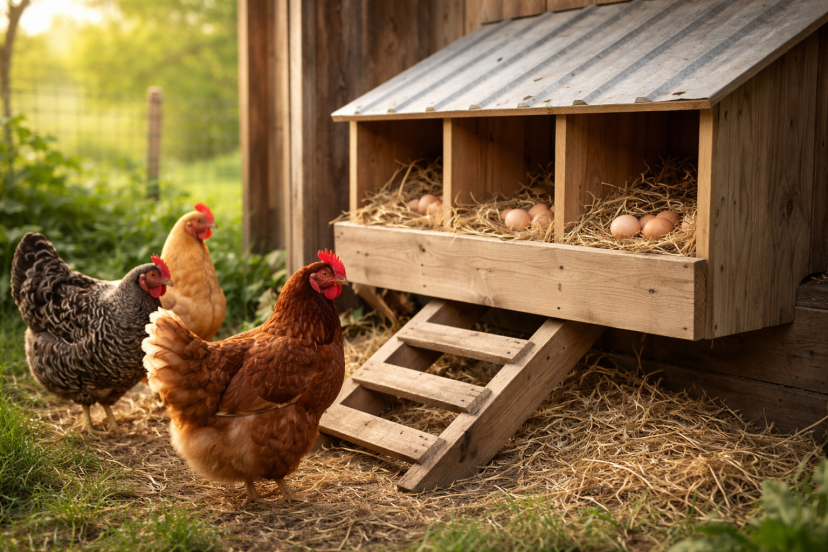
If you’re building your first coop or just getting started with backyard chickens, understanding the chicken nesting box is essential. Hens naturally prefer quiet, cozy places to lay eggs, and a properly set up nesting box makes egg collection much easier. You’ll learn what nesting boxes are, how many your flock needs, where to place them in the coop, and how to create a setup your hens will actually use.
Why Your Backyard Chickens Need Nesting Boxes
Chickens naturally look for secluded, comfortable spaces when it is time to lay eggs. In the wild, hens choose hidden spots to protect their eggs from predators. A nesting box replicates this instinctive behavior.
When chickens feel safe, they lay eggs more consistently. As a result, your egg collection becomes easier and more predictable.
On the other hand, poorly designed nesting areas can create problems such as:
- Dirty eggs
- Broken shells
- Egg eating behavior
- Stress among hens
Therefore, a simple nesting box setup can improve both egg quality and coop hygiene.
What Makes a Good Chicken Nesting Box?
Designing a nesting box does not need to be complicated. However, a few important features make a big difference.
Size and Space
In most backyard coops, hens do well with nesting boxes that are about a foot wide, deep, and high. Larger breeds like Orpingtons or Brahmas may need slightly bigger spaces.
If the box feels cramped, hens may avoid it. On the other hand, if the space is too large, multiple hens might crowd into it.
Comfort and Bedding
Soft bedding helps protect eggs and keeps hens comfortable. Popular options include:
- Straw
- Pine shavings
- Hemp bedding
- Nesting pads
Clean bedding also reduces the chance of bacteria spreading to eggs.
Privacy and Placement
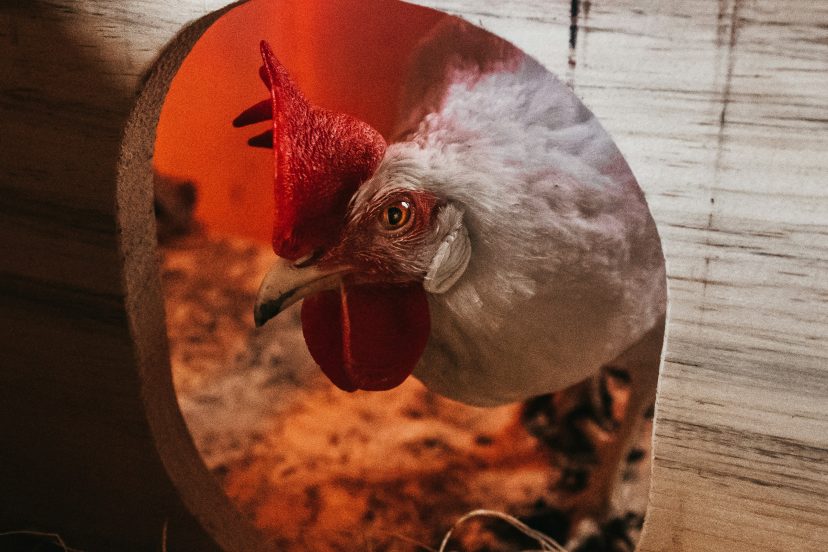
Chickens prefer dark and quiet laying areas. Therefore, nesting boxes should sit in a low-light section of the coop.
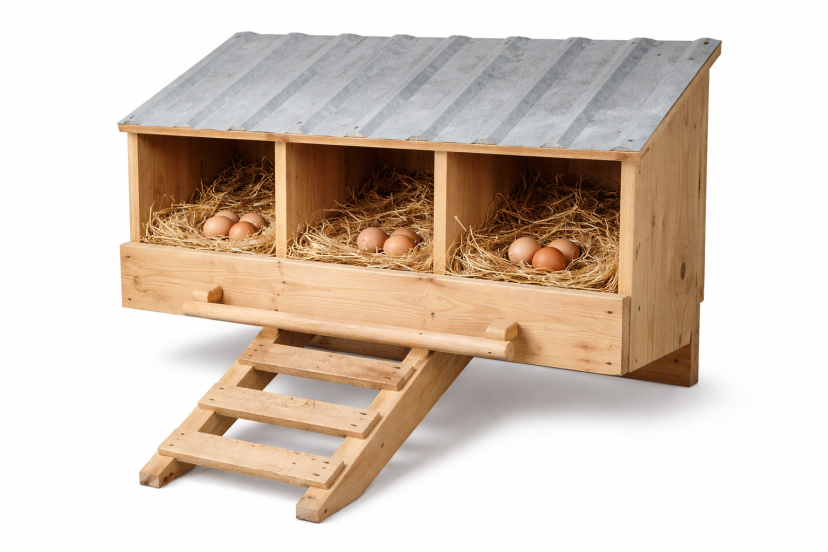
Adding a small lip at the front of the box helps prevent eggs from rolling out while still allowing hens to enter easily.
How Many Nesting Boxes Should You Provide for Chickens?
New chicken keepers often assume each hen needs her own nesting box. Luckily, that isn’t required.
Most backyard chicken keepers use a simple guideline:
One nesting box for every 3–4 hens.
Chickens often share nesting spaces. In fact, several hens may even prefer the same box.
For example:
- 4 hens → 1 nesting box
- 8 hens → 2 nesting boxes
- 12 hens → 3 nesting boxes
This setup keeps egg production organized without overcrowding your coop.
Best Materials for Chicken Nesting Boxes
Nesting boxes come in many materials. Each option offers different advantages.
Wood
Wood boxes are common in DIY coops. They’re strong and fairly simple to construct, but they can soak up moisture if the wood isn’t properly sealed.
Plastic
Plastic nesting boxes are easy to clean and resist mites and bacteria. Many backyard chicken keepers prefer them for this reason.
Metal
Metal nesting boxes are built to last and handle years of use. Commercial poultry farms often use them because they clean easily and resist pests.
For most homesteaders, plastic or sealed wood boxes provide the best balance of cost and practicality.
Where to Place Nesting Boxes in Your Coop
Location plays a major role in whether chickens actually use nesting boxes.
For best results:
- Place boxes lower than roosting bars
- Keep them in darker areas of the coop
- Avoid placing them near entrances or high-traffic areas
Chickens prefer calm environments for laying eggs. Therefore, reducing noise and disturbances around nesting boxes improves egg production.
If you maintain a seasonal garden near your coop, it can also help to prepare your yard for colder months. Many homesteaders use practical guides like this one on how to winterize garden beds so chickens and gardens stay productive year-round.
Recommended Products
If you prefer ready-made nesting boxes instead of building one yourself, several products work well for backyard flocks.
1. Rite Farm Products Roll Out Nesting Box
This box includes a roll-out design that protects eggs immediately after laying. This helps keep eggs cleaner and protects them from curious pecking.
2. Miller Manufacturing Single Nesting Box
This metal nesting box works well for small flocks. It is durable, easy to mount, and simple to clean.
3. Perch and Rollout Nesting Box
Many backyard farmers love this option because eggs roll gently into a collection tray. Therefore, hens cannot damage them.
4. Little Giant Plastic Nesting Box
This affordable plastic nesting box works well for beginners. It installs easily and resists moisture.
5. Rural365 Chicken Nesting Pads
These pads fit inside nesting boxes to improve comfort and protect eggs from cracks.
Each of these products helps simplify egg collection and reduce maintenance inside the coop.
Better Eggs Begin with the Right Nesting Box
A good chicken nesting box does more than give hens a place to lay eggs. It supports their natural instincts and helps keep eggs cleaner for your kitchen.
Chickens naturally look for quiet, enclosed spaces when it’s time to lay. Research on nest preference and motivation in laying hens shows that hens strongly prefer sheltered nest areas and often spend time settling into the space before laying. When they feel safe and comfortable, they tend to lay eggs more consistently.
Cleanliness matters too. A study on the microbiological quality of eggs from nest boxes versus litter areas found that eggs laid in proper nesting boxes carried significantly fewer bacteria than eggs laid on the coop floor.
For backyard homesteaders, the takeaway is simple: give hens a comfortable nesting space, and you’ll usually get cleaner eggs, calmer birds, and a smoother egg-collecting routine.
Common Nesting Box Problems
Even well-designed nesting boxes can sometimes create challenges.
Chickens Sleeping in Nesting Boxes
Occasionally, hens will choose to sleep inside the nesting boxes. Unfortunately, this leads to dirty eggs.
To prevent this, make sure roosting bars sit higher than the nesting boxes.
Egg Eating
Egg eating can spread quickly through a flock. Using roll-away nesting boxes or collecting eggs daily helps prevent this habit.
Dirty Eggs
Dirty eggs usually mean bedding needs replacement. Clean bedding regularly to maintain a healthy environment.
Maintenance Tips to Keep Nesting Boxes Clean
Routine maintenance keeps nesting boxes safe and productive.
Here are a few simple habits:
- Replace bedding weekly
- Check for broken eggs
- Remove droppings daily
- Inspect for mites or pests
These quick tasks help maintain egg quality and reduce coop odors.
Final Thoughts
Getting the basics right with a chicken nesting box can make a big difference in your coop. When hens have a quiet, comfortable place to lay, eggs stay cleaner, break less often, and daily egg collection becomes much easier. For backyard homesteaders, nesting boxes don’t need to be complicated. Focus on the right size, good bedding, and proper placement inside the coop. Once hens feel comfortable, they’ll usually return to the same nesting box each day.
FAQs
1. What dimensions work best for a chicken nesting box?
Most chickens do well with a nesting box about 12 × 12 × 12 inches, though larger breeds may appreciate a little extra room.
2. How many nesting boxes should a flock have?
A widely used guideline is to provide one nesting box for every three to four hens in the flock.
3. What bedding works best in nesting boxes?
Materials like straw, pine shavings, hemp bedding, or nesting pads all make good bedding options.
4. Should nesting boxes be off the ground?
Yes. Slight elevation helps keep eggs clean and discourages predators or pests.
5. Why are my chickens laying eggs outside the nesting box?
This often happens when nesting boxes are too bright, uncomfortable, or poorly placed. Adjusting the location and bedding usually solves the problem.