DIY Raised Garden Bed Ideas for a More Productive Homestead
We may earn a commission for purchases made using our links. Please see our disclosure to learn more.
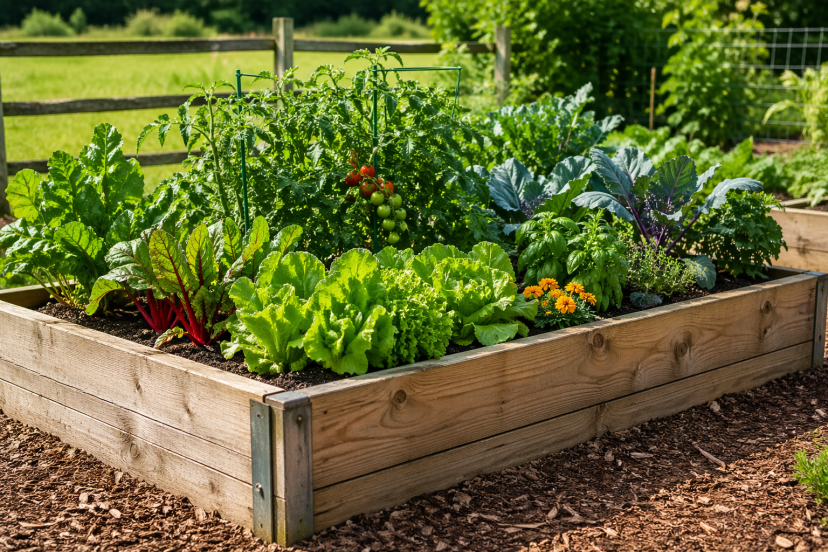
If you want to grow more food without expanding your garden, building a diy raised garden bed is one of the smartest moves you can make. Raised beds give you better control over soil, drainage, and spacing, which leads to healthier plants and more reliable harvests. They also make gardening easier to manage, especially on a busy homestead. In this guide, you’ll find practical raised bed ideas, simple design tips, and proven strategies to help you build a setup that works season after season.
How Raised Garden Beds Improve Harvests, Reduce Weeds, and Save Water
Research continues to confirm what many homesteaders already notice in practice—raised beds can improve plant health, reduce maintenance, and support more reliable harvests.
A detailed overview of raised bed gardening systems and soil management benefits explains that raised beds improve drainage, soil aeration, and root development. These conditions help plants grow more consistently, especially in areas with compacted or poor-quality soil. The review also highlights how raised beds warm faster in spring, which can extend the growing season and support earlier planting.
Even more compelling, the research paper Raised Beds for Vegetable Production in Urban Agriculture found measurable performance gains in real growing environments. According to the study, raised bed systems:
- Reduced irrigation demand by about 32%
- Cut weed pressure by over 90%
- Supported higher yields for crops like kale, radish, and cilantro
These results suggest that raised beds are not just convenient—they can make a garden significantly more efficient and productive over time.
A well-built raised bed creates a healthier growing environment from day one. Better drainage, improved soil control, and reduced weed competition all work together to help plants grow stronger and produce more food with less effort.
Choose the Best Location First
Before you build anything, pick your spot carefully.
Most vegetable plants grow best when they get plenty of direct sunlight. You also want a location close enough to your house or daily path that you will actually check it. That sounds obvious, but distance kills consistency. A bed tucked behind a shed often turns into a guilt project.
Try to place your bed where:
- it gets at least 6 to 8 hours of sunlight
- water access is easy
- drainage is decent
- wind exposure is not extreme
- harvesting feels convenient
Productivity starts with placement. A perfect bed in a bad spot still struggles.
Simple DIY Raised Garden Bed Ideas to Try
You do not need one “perfect” design. You need the design that fits your space, body, and gardening goals.
Classic Rectangular Wood Bed
This is the homesteader favorite for a reason.
A simple rectangle made from untreated cedar or other rot-resistant wood is easy to build, easy to expand, and easy to repair. It works well for vegetables, herbs, and cut flowers.
Why it works:
- simple layout
- beginner-friendly build
- easy to cover with hoops or row cover
- looks tidy without trying too hard
This is the bed I’d recommend first if you want a no-nonsense project.
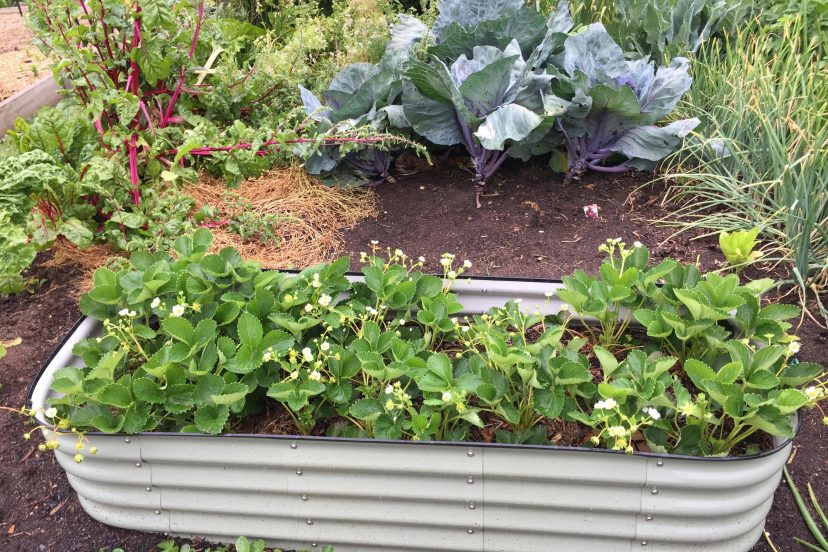
Galvanized Metal Bed
If you want something durable and low-maintenance, galvanized metal is a strong option.
Metal beds often go together fast and hold up well over time. They also give your garden a clean, practical look. Many homesteaders like them because they feel like a one-and-done setup.
U-Shaped Raised Bed
This design works beautifully if you want high output in a small area.
A U-shape gives you a wide growing surface while keeping everything within reach from the center path. That means less stepping, less bending, and easier harvests.
It is ideal for kitchen gardens or intensive planting zones near the house.
Keyhole Raised Bed
A keyhole design adds a notch or access path into the bed so you can reach farther without compacting soil.
This is a smart option if you want a larger bed but do not want to walk around it constantly. It can also feel more efficient in a compact homestead garden.
Elevated Raised Bed for Easy Access
If bending is hard on your back or knees, an elevated bed can make gardening feel enjoyable again.
These are great for greens, herbs, and smaller crops. They are also useful on patios, near entryways, or in spaces where ground-level gardening is awkward.
Best Materials for Building Raised Beds
The right material depends on your budget, climate, and style.
Wood – Cedar is a favorite because it handles weather better than many other woods. It has a natural, grounded look that fits most homesteads.
Galvanized steel – This is durable, tidy, and often faster to assemble. It works well if you want long-lasting structure with less maintenance.
Blocks or bricks – These can look beautiful and hold heat well, but they usually cost more and take more effort to install.
Repurposed materials – These can save money, but be careful. Avoid anything that may have been treated with harmful chemicals.
For most homesteaders, wood or galvanized metal gives the best balance of simplicity, function, and cost.
Ideal Raised Bed Size for Homesteaders
A raised bed should be wide enough to grow plenty, but narrow enough that you can reach the center without stepping into it.
A common sweet spot is about 3 to 4 feet wide. Length is flexible. Many people start with 6- to 8-foot beds because they are efficient without becoming awkward.
This size works well because you can:
- reach from either side
- keep soil loose
- plant intensively
- harvest without trampling roots
If you have a larger growing area, build several beds instead of one giant one. That keeps paths clear and your workflow sane.
What Depth Works Best for a Raised Garden Bed?
For many crops, 10 to 12 inches is enough to get started. If you want better root room for larger vegetables, 16 to 18 inches gives you more flexibility.
Shallow beds can still work for lettuce, onions, and herbs. Deeper beds are more forgiving, especially if your native soil is poor.
Think of depth like pantry space. You can survive with less, but extra room makes everything easier.
The Best Soil Mix for Strong Growth
This part matters more than the frame.
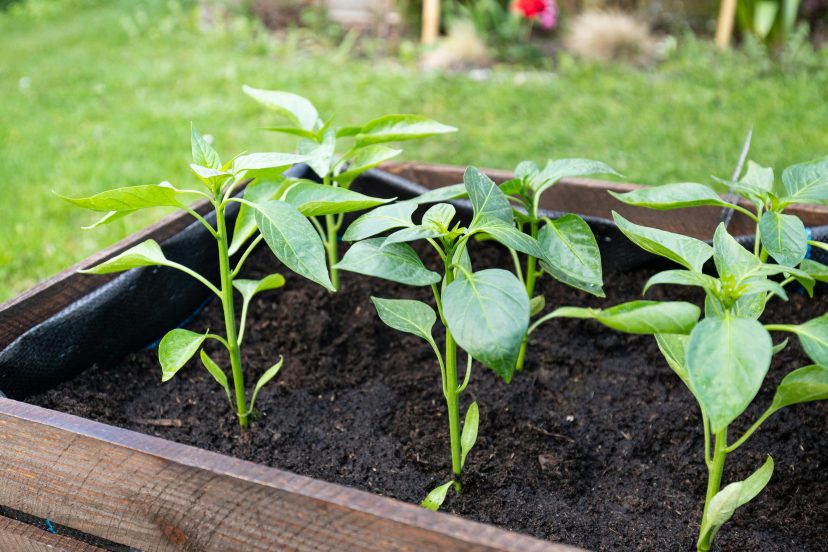
A raised bed filled with weak soil will disappoint you no matter how pretty it looks. A strong mix usually includes:
- quality topsoil
- compost
- a material for aeration, such as coarse sand or similar texture-supporting amendment depending on your local conditions
The goal is simple: soil that drains well but still holds moisture, stays loose, and feeds plants steadily.
Illinois Extension notes that a well-designed raised bed filled with good-quality soil and compost supports root growth, drainage, and higher yields.
So yes, spend more thought on the soil than on the screws.
Smart Crop Layout Ideas for Better Yields
A raised bed becomes more productive when you plan the layout, not just the planting list.
Try these ideas:
Group plants by size. – Plant taller vegetables along the northern edge to prevent them from blocking sunlight from smaller plants.
Use close but sensible spacing. – Raised beds are great for intensive gardening, but crowding still backfires.
Mix fast and slow crops. – Radishes between slower brassicas, for example, help you use space better.
Repeat what works. – If bush beans thrive in one bed, make that part of your regular rhythm.
The more intentional your layout, the less wasted space you have.
Watering Tips That Save Time
Watering can either support your garden or slowly turn it into a chore you avoid.
Soaker hoses and drip-style systems are especially helpful in raised beds because they keep moisture closer to roots and reduce waste.
A few smart habits help a lot:
- water deeply, not constantly
- water early when possible
- mulch the surface to slow evaporation
- avoid splashing leaves late in the day
Consistency beats overwatering every single time.
Mulch, Weed Control, and Bed Liners
Raised beds usually have fewer weed problems than in-ground plots, but fewer is not the same as none.
Mulch helps suppress weeds, hold moisture, and keep the soil more stable. Landscape fabric can also help in specific situations, especially under pathways or where aggressive weeds are a constant battle. Some garden fabrics marketed for raised beds are designed to block weeds while still allowing air and water movement.
Use weed barriers strategically, though. You still want healthy soil life and easy access when you need to amend the bed.
Recommended Products
Here are five useful picks that match the needs of most homesteaders. Perfect for buidling a diy raised garden bed:
- Land Guard Galvanized Raised Garden Bed Kit – A 4x2x1-foot metal bed made from galvanized sheet with an oval structure, designed for durability and reuse over multiple seasons.
- Best Choice Products Elevated Wood Raised Garden Bed – A 48 x 24 x 30-inch elevated planter with bed liner and 200-pound capacity, useful for easy-access growing on patios or near the house.
- WLLEYAY Raised Garden Bed Corner Brackets – A set of rust-resistant corner brackets with screws for 20- to 24-inch beds, handy if you want to build a custom wood frame instead of buying a full kit.
- Agfabric Landscape Fabric Weed Barrier – Heavy-duty polypropylene weed barrier marketed as chemical-free and safe for garden use, useful under paths or as part of a weed-control setup.
- Holldoor Soaker Hose Kit – A 75-foot heavy-duty soaker hose kit for garden beds, designed to help distribute water more efficiently across planted areas.
Final Thoughts
A diy raised garden bed is one of the smartest upgrades you can make on a homestead. It gives you more control, better growing conditions, and a garden that feels easier to manage day after day. You do not need the biggest setup. You need a useful one. Start with one or two beds. Build them well. Fill them with rich soil. Grow the crops you actually eat. Then improve from there. And if you’re building a more self-reliant outdoor setup overall, this guide on off-grid cooking techniques fits naturally with the same homestead mindset.
FAQs
1. What is the best wood for a diy raised garden bed?
Cedar is one of the best choices because it resists rot better than many common woods and holds up well outdoors.
2. What is the ideal soil depth for growing vegetables in a raised bed?
Around 10 to 12 inches works for many crops, while 16 to 18 inches gives more flexibility for larger vegetables and deeper roots.
3. Are metal raised beds better than wood?
Not always better, but often longer-lasting and lower maintenance. Wood feels more traditional, while metal can be faster and simpler for some gardeners.
4. What materials should go underneath the soil in a raised garden bed?
That depends on your setup. Many people start with cleared ground, then fill with quality soil and compost. In some cases, a weed barrier under paths or problem areas can help.
5. How many raised beds should a homesteader start with?
Start small enough that you can manage them well. One to three beds is plenty for learning what works before expanding.