Chicken Layer Feed Tips for Healthy Laying Hens
We may earn a commission for purchases made using our links. Please see our disclosure to learn more.
Healthy eggs start long before your hen visits the nesting box. They begin with the right chicken layer feed, clean water, steady routines, and a little attention from you.
If you keep laying hens on your homestead, feed can feel simple at first. You buy a bag, fill the feeder, and collect eggs. But then questions show up. Why are the shells thin? Why did egg production slow down? Should hens get scraps? Do they need oyster shell?
The good news is that feeding laying hens does not need to be complicated. Once you understand what layer feed does, you can support strong shells, steady laying, and healthier birds with more confidence.
What Is Chicken Layer Feed?
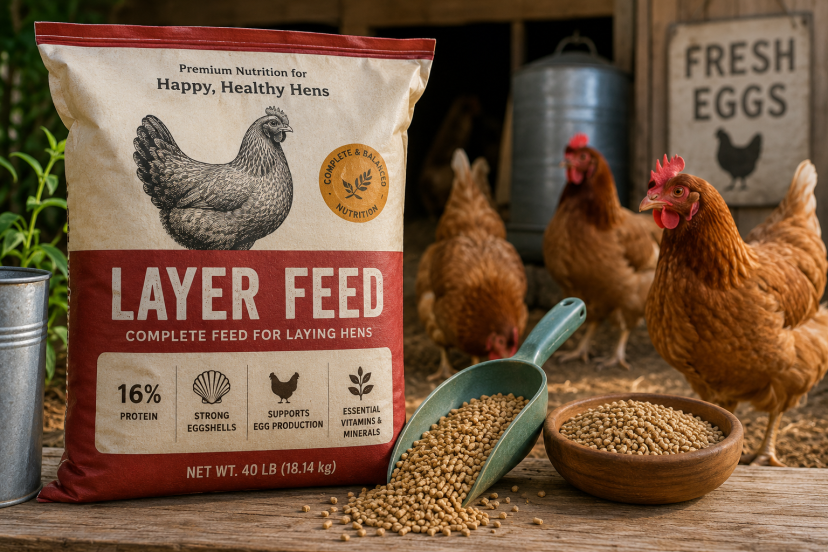
Chicken layer feed is a balanced feed made for hens that are actively laying eggs. It usually contains protein, energy, vitamins, minerals, and extra calcium.
That calcium matters a lot. Hens use calcium to build eggshells. Without enough, shells may become thin, soft, or brittle.
Layer feed is different from chick starter or grower feed. Young birds need more growth support and less calcium. Laying hens need nutrients that support egg production.
A good layer feed helps with:
- Egg production
- Eggshell strength
- Feather condition
- Energy
- Overall flock health
For homesteaders, it also keeps feeding simple. You do not have to mix every nutrient yourself.
When Should You Start Chicken Layer Feed?
Start chicken layer feed when pullets reach about 18 to 20 weeks old or when they lay their first egg.
Do not start too early. Young birds that are not laying do not need high calcium yet. Too much calcium before laying age may stress their kidneys.
If your flock has mixed ages, use care. Chicks, growers, and adult layers need different feed. In that case, you may need separate feeding areas.
A simple rule works well:
- Chicks need starter feed
- Growing pullets need grower feed
- Laying hens need layer feed
Once your hens begin laying, switch gradually over several days. Mix a little layer feed into their current feed, then increase it.
Key Nutrients Laying Hens Need
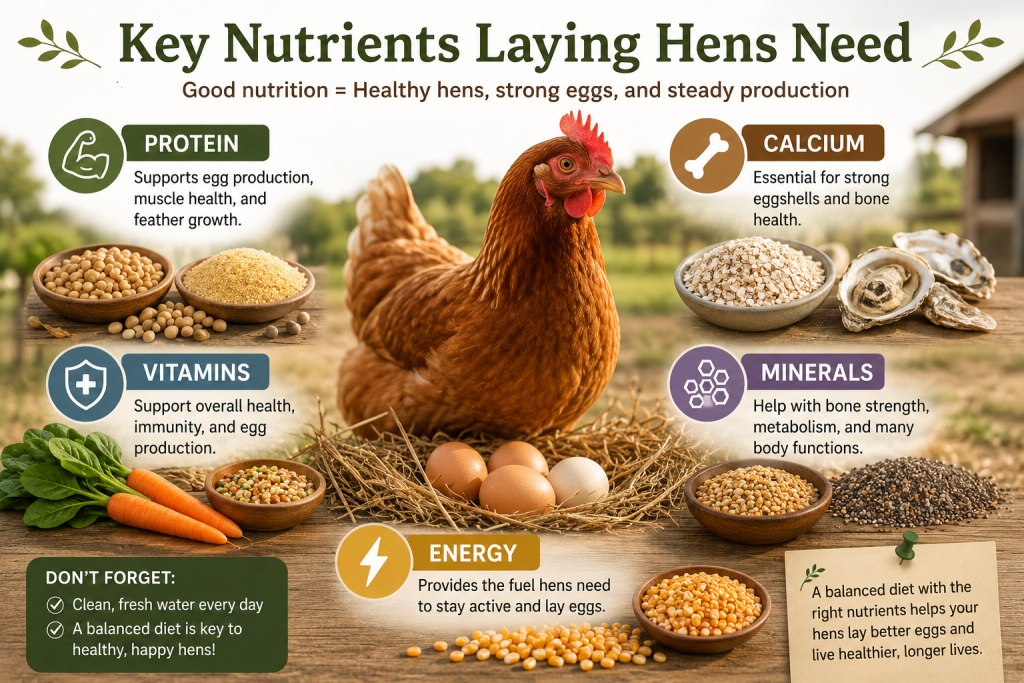
Protein
Protein supports egg production, muscle health, and feather growth. Most layer feeds contain about 16% to 18% protein.
If hens do not get enough protein, they may lay fewer eggs. Egg size may also drop.
Protein becomes even more important during molting. During molt, hens replace feathers and often stop laying for a while. Feathers need protein, so your hens may benefit from extra support during that season.
Calcium
Calcium is one of the biggest reasons layer feed matters. Hens pull calcium from their diet to form eggshells.
If they do not get enough, they may pull calcium from their bones. Over time, this can weaken the hen.
Common signs of low calcium include:
- Thin eggshells
- Soft-shelled eggs
- Broken eggs in the nest
- Lower shell quality
Layer feed already includes calcium, but many homesteaders also offer oyster shell on the side.
Vitamins and Minerals
Laying hens need more than protein and calcium. They also need vitamins and minerals for healthy bodies.
Vitamin D helps hens use calcium. Phosphorus supports bones and egg production. Salt, amino acids, and trace minerals also play a role.
This is why balanced feed is useful. It removes much of the guesswork.
Energy
Hens need energy to move, scratch, stay warm, and lay eggs. Grains like corn and wheat provide energy in many feeds.
However, too many treats can throw off the balance. Scratch grains should be treated as a treat, not a full meal.
Use them lightly.
How Much Chicken Layer Feed Do Hens Need?
Most laying hens eat about 1/4 pound of feed per day. That means four hens may eat around one pound daily.
However, intake changes based on breed, weather, age, and access to pasture.
Cold weather often increases feed needs. Hens burn more energy to stay warm. Hot weather may reduce appetite, so fresh water becomes even more important.
Keep feed available during the day. Hens like to eat in small amounts. A full feeder also helps reduce stress in the flock.
Pellets, Crumbles, or Mash: Which Is Best?
Chicken layer feed usually comes in pellets, crumbles, or mash. Each type can work well.
Pellets
Pellets create less waste. Hens cannot easily pick out favorite bits. They are a good choice for adult hens.
Crumbles
Crumbles are smaller and easier to eat. Some hens prefer them. They also work well for smaller breeds.
Mash
Mash is loose and powdery. It can be affordable, but hens may waste more of it. It can also get messy in damp weather.
For most homesteads, pellets or crumbles are the easiest choices.
Offer Calcium Separately
Even when you use good chicken layer feed, free-choice calcium is helpful. Crushed oyster shell is the most common option.
Place it in a separate dish or feeder. Do not mix it directly into the feed unless a poultry expert tells you to.
Why? Hens can regulate their own calcium needs when it is offered separately. Some hens need more. Others need less.
This is especially useful for older hens, heavy layers, and flocks with mixed laying patterns.
Do Laying Hens Need Grit?
Yes, if they eat anything besides commercial feed.
Chickens do not have teeth. They use grit in the gizzard to grind food. If your hens eat grass, bugs, kitchen scraps, or whole grains, they need access to grit.
There are two different things here:
- Oyster shell provides calcium
- Grit helps digestion
They are not the same. Offer both separately if your hens forage or get treats.
Clean Water Matters More Than People Think
Feed gets most of the attention, but water is just as important. Hens need clean water every day to digest feed and produce eggs.
A laying hen’s body works hard. Eggs contain a lot of water, so dehydration can quickly affect production.
Keep waterers clean. In winter, prevent freezing. In summer, place water in shade when possible.
If your hens suddenly slow down laying, check water first. It is often the quiet culprit.
Common Chicken Layer Feed Mistakes
Feeding Too Many Scraps
Kitchen scraps can be useful, but they should not replace layer feed. Too many scraps can reduce protein and mineral intake.
Safe scraps should stay occasional. Think of them as extras, not the main meal.
Giving Too Much Scratch Grain
Scratch grain is fun for chickens, but it is not balanced. Too much can lead to weight gain and fewer eggs.
Use scratch as a small treat, especially in cold weather.
Using the Wrong Feed
Do not feed layer feed to chicks. Do not feed chick starter to laying hens long-term.
Each life stage has different needs.
Letting Feed Get Moldy
Moldy feed can make chickens sick. Keep feed in a dry, airtight container. Keep it away from rain, rodents, and humidity.
Buy only what your flock can use within a reasonable time.
Ignoring Shell Problems
Thin shells are a message. Your hens may need more calcium, better vitamin D support, or less dietary imbalance from treats.
Do not ignore repeated shell issues.
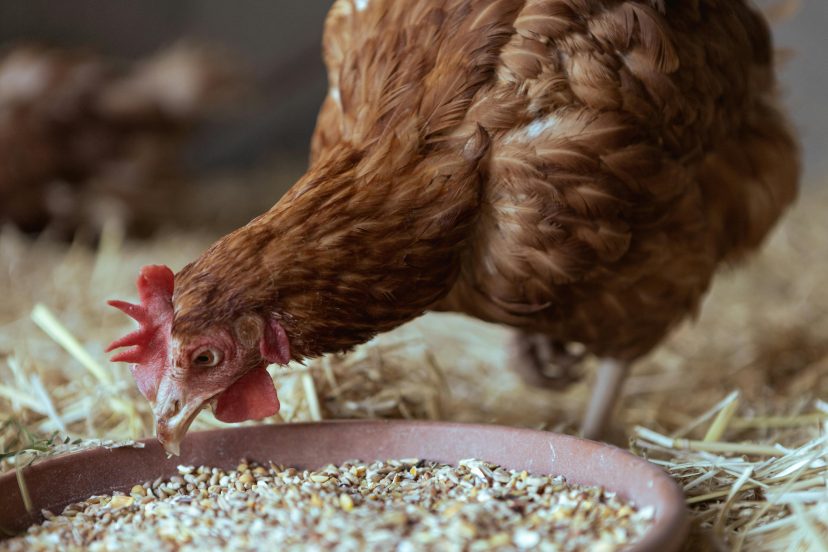
Feeding Tips for Homestead Flocks
Homestead chickens often live more active lives than commercial birds. They may forage, scratch compost, eat garden leftovers, and explore.
That variety is wonderful. Still, layer feed should remain the foundation.
Here are simple tips that work well:
- Keep layer feed available daily
- Offer oyster shell free-choice
- Provide grit if hens forage
- Use a sealed storage bin to keep feed fresh
- Limit treats to small amounts
- Watch egg quality for clues
- Keep water clean and fresh
- Adjust feed access during heat and cold
If you are building a balanced small homestead, chickens can fit beautifully alongside other practical livestock. You can explore more ideas in this guide to animals for a small homestead.
Recommended Products
Here are five useful product ideas for homesteaders feeding laying hens.
1. Purina Layena Layer Feed
Purina Layena is a popular complete feed for laying hens. It supports egg production and provides balanced nutrition for adult layers.
Best for: Everyday feeding
2. Manna Pro Layer Mini-Pellets
Manna Pro Layer Mini-Pellets are easy for hens to eat and provide balanced nutrition for daily egg production. They work well for backyard and small homestead flocks.
Best for: Easy everyday feeding
3. Manna Pro Crushed Oyster Shell
Crushed oyster shell gives hens extra calcium when they need it. Offer it separately so hens can eat it free-choice.
Best for: Stronger eggshell support
4. Scratch and Peck Feeds Organic Layer Feed
This organic feed option appeals to homesteaders who prefer whole-food-style ingredients and organic sourcing.
Best for: Organic-minded flock owners
5. Country Organics Organic Corn-Free Layer Feed
Country Organics Organic Corn-Free Layer Feed is a good pick for homesteaders who prefer organic poultry feed without corn. It supports laying hens with balanced nutrition for daily egg production.
Best for: Organic, corn-free feeding
Research-Backed Feeding Insights
Good poultry nutrition is not just backyard advice. It is backed by animal science.
Oregon State University Extension explains that layer feeds are designed for hens that are laying eggs and commonly contain about 16% protein with extra calcium for strong shells. Their guide on feeding laying hens is a helpful resource for small flock owners.
The Merck Veterinary Manual also notes that laying hens have high calcium needs, especially during egg production. Its poultry nutrition review explains why calcium and phosphorus balance matter for healthy laying hen nutrition.
In addition, research on late-phase laying hens found that calcium levels can influence eggshell quality and laying performance. You can review the study on calcium and eggshell quality in laying hens.
These sources all point to the same practical truth: laying hens need consistent, balanced nutrition. Guesswork can lead to weak shells, poor laying, or health problems.
Conclusion
Chicken layer feed is one of the most important parts of raising healthy laying hens. It gives your flock the protein, calcium, vitamins, minerals, and energy they need to produce eggs and stay strong. For homesteaders, the best approach is simple. Choose a balanced layer feed, start it at the right age, provide oyster shell and grit separately, and avoid overdoing treats. When you feed your hens well, they reward you with better eggs, stronger shells, and a healthier flock.
FAQs
1. What is the best chicken layer feed for laying hens?
The best chicken layer feed is a complete feed made for hens that are actively laying. Choose feed with the right mix of protein, calcium, vitamins, and minerals.
2. When should chickens start eating layer feed?
Most pullets should start layer feed around 18 to 20 weeks old or when they lay their first egg.
3. Do hens need oyster shell if they eat layer feed?
Many hens do well with layer feed alone, but offering oyster shell free-choice gives extra calcium support. This helps hens with higher calcium needs.
4. Can chickens eat scraps instead of layer feed?
No. Scraps should not replace layer feed. They can be occasional treats, but hens need balanced nutrition for steady laying.
5. Why are my hens laying soft-shelled eggs?
Soft shells may happen because of low calcium, poor vitamin D support, stress, age, or too many treats. Start by checking feed quality, oyster shell access, and water intake.