The Best Animals For a Small Homestead
We may earn a commission for purchases made using our links. Please see our disclosure to learn more.
Choosing the best animals for a small homestead starts with one simple question: what can your space truly support? The right animals can provide eggs, meat, compost, pollination, and even natural pest control without overwhelming your land or daily routine. In this guide, we’ll look at the most practical small homestead animals, what each one offers, and how to choose the best fit for your goals.
Why Small Homestead Animals Matter
Animals bring a small homestead to life. They turn kitchen scraps into eggs, manure into compost, weeds into milk, and garden flowers into honey. They also teach patience fast. Very fast.
The goal is not to collect animals like adorable outdoor furniture. The goal is to build a simple, useful system. Your animals should support your homestead, not bury you under chores, feed bills, and “how did the goat get on the roof?” emergencies.
For most beginners, the best small homestead animals are productive, manageable, and forgiving. They do not need acres of pasture or expensive barns. They need clean water, safe housing, good feed, predator protection, and daily attention.
Chickens: The Classic Small Homestead Starter
Chickens are one of the easiest animals to start with. They provide eggs, compostable manure, pest control, and plenty of backyard personality.
Best for:
- Fresh eggs
- Garden compost
- Pest control
- Beginner homesteaders
Start with three to six hens. That gives you a steady egg supply without overcrowding your space. Skip the rooster unless you need fertile eggs and your local rules allow one.
Just make sure your coop is secure. Predators like raccoons, dogs, hawks, and snakes can cause serious losses. A strong coop and reliable nighttime lockup matter more than cute decorations.
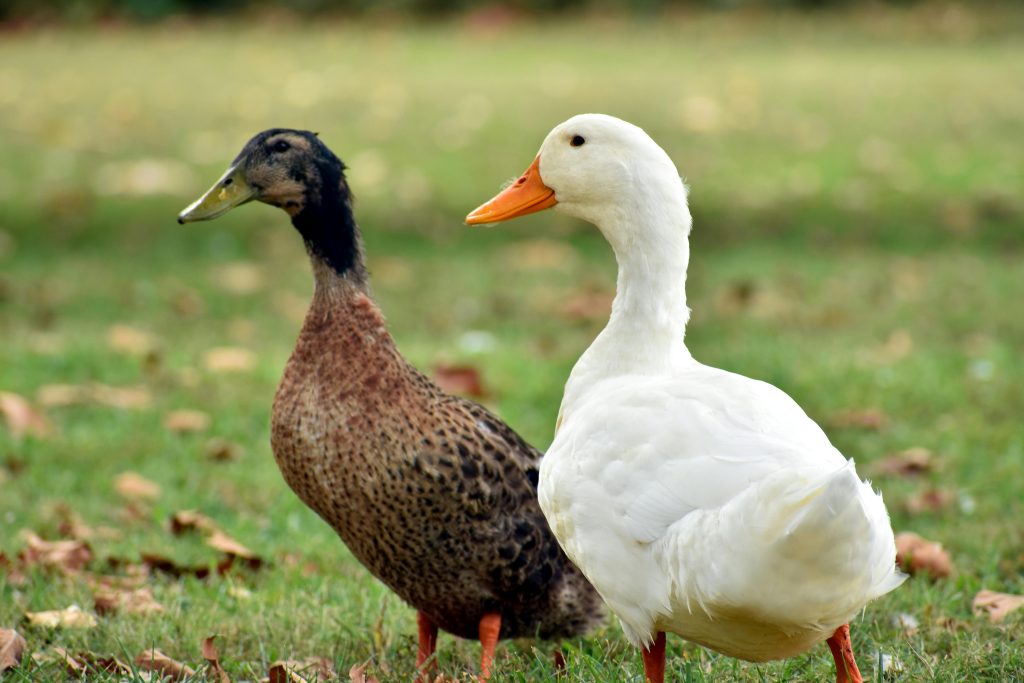
Ducks: Hardy Birds With Big Personality
Ducks are great for wet yards, slug problems, and homesteads with plenty of insects. They are hardy, social, and fun to watch.
Best for:
- Slug control
- Eggs
- Wet areas
- Active foraging
Ducks need clean water deep enough to rinse their eyes and nostrils. They do not need a pond, but a sturdy tub or kiddie pool can work.
The big thing to know? Ducks are messy. They splash water, muddy bedding, and turn dry spots into swampy little projects. Plan for drainage and easy cleanup from day one.
Rabbits: Quiet, Compact, and Productive
Rabbits are a smart choice for small spaces. They stay quiet, need little room, and produce rich manure for the garden.
Best for:
- Small yards
- Quiet setups
- Garden manure
- Urban or suburban homesteads
They need shade, airflow, clean water, and fresh feed. Heat can stress rabbits quickly, so keep their housing cool and out of harsh afternoon sun.
Rabbits are great if you want steady productivity without much noise. They will not chatter like ducks or test fences like goats.
Quail: Tiny Birds With Big Benefits
Quail are perfect when space is tight. They mature quickly, lay small eggs, and need far less room than chickens.
Best for:
- Tiny spaces
- Quick egg production
- Quiet neighborhoods
- Low-profile setups
Coturnix quail are popular because they grow fast and stay fairly easy to manage. Depending on local rules, they can fit in a garage, shed, patio, or compact backyard system.
They still need secure housing, clean bedding, steady feed, and protection from weather and predators. Small does not mean maintenance-free.
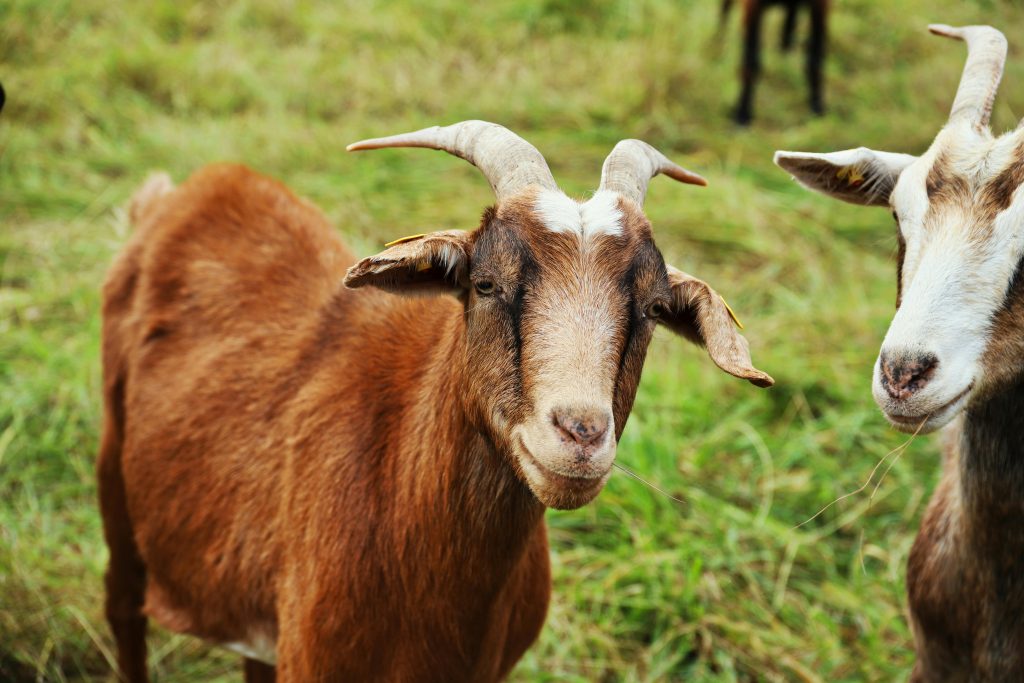
Goats: Helpful, Funny, and Not Always Easy
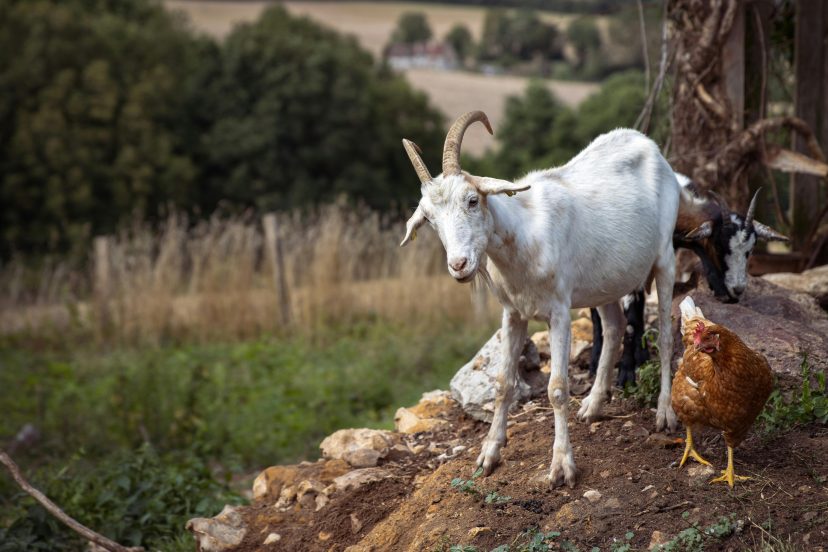
Goats can provide milk, clear brush, and bring a lot of personality to a homestead. But they are not the easiest beginner animal.
Best for:
- Brush control
- Milk production
- Larger small homesteads
- Experienced beginners
Goats need strong fencing, shelter, minerals, hoof care, parasite control, and companionship. Never keep just one goat. A lonely goat can become loud, stressed, and destructive.
If you want goats, build the fencing first. A goat with weak fencing is basically a toddler with climbing skills.
Bees: Small-Space Pollinators With Sweet Rewards
Bees take up little space and can support your garden through better pollination. They may also provide honey and beeswax.
Best for:
- Garden pollination
- Small spaces
- Honey
- Patient homesteaders
Beekeeping takes learning. You need to understand hive checks, swarming, pests, seasonal feeding, protective gear, and local rules.
Bees are a great fit if your goal is a healthier garden. But if you want easy honey with almost no work, slow down first. Bees reward patience and close attention.
Best Animal Combinations For Beginners
For your first small homestead, start with animals that work well together and do not need a huge setup.
Chickens and rabbits are one of the easiest pairings. Chickens give you eggs and compostable bedding. Rabbits provide rich garden manure and stay fairly quiet. Both need daily care, but they do not require large acreage.
Chickens and bees also make a smart combination. They support the homestead in different ways:
- Chickens provide eggs.
- Chickens help use some kitchen scraps.
- Bees support garden pollination.
- Bees take up very little space.
Ducks and gardens can work well too, especially if slugs are a problem. Just protect tender plants. Ducks can trample young greens and turn wet soil into mud fast.
Goats are better for larger small homesteads. Add them later, once you understand daily animal care and have strong fencing ready.
A simple beginner plan could look like this:
- Start with chickens.
- Add rabbits once your routine feels easy.
- Consider bees or ducks next.
- Wait on goats until you have the space, fencing, and feed budget.
Helpful Tools For Small Homestead Animal Care
The right tools make daily animal care easier, cleaner, and less stressful. These simple products can help you manage feeding, watering, housing, and basic poultry care.
- Premier 1 PoultryNet Electric Fence — Great for moving chickens, ducks, or geese around safely while adding predator protection.
- RentACoop 2 Gallon Chicken Waterer — Helps keep water cleaner and reduces messy bedding around the coop.
- Harris Farms Galvanized Hanging Poultry Feeder — A sturdy feeder for small flocks that helps keep feed off the ground.
- Little Giant Plastic Chicken Nesting Box — Gives hens a clean, simple place to lay eggs.
- Storey’s Guide to Raising Chickens — A helpful beginner book for learning about chicken breeds, housing, feeding, and basic care.
How Small Homestead Animals Support a More Resilient Home
Small homestead animals do more than give you eggs, meat, or honey. They can also help you waste less, grow more food, and create a steadier home food system.
A review on small-scale poultry production and food security found that backyard poultry can support better nutrition, household sustainability, and nutrient cycling. In simple terms, chickens and other small birds can turn limited space into a useful source of fresh food.
Good care matters, though. Cornell University’s guide to duck housing and management practices explains that clean housing, fresh water, good ventilation, and disease prevention all help ducks stay healthy and productive.
So, the real lesson is simple: small animals work best when you manage the whole setup well. Clean shelter leads to healthier animals. Healthier animals give you better eggs, manure, compost, and garden support. Over time, that creates a small homestead that feels more steady, useful, and rewarding.
Conclusion
The best animals for a small homestead are the ones that match your real life, not just your dream board. Chickens make a great first step for eggs and compost. Rabbits offer quiet productivity in a compact space. Quail work beautifully where room is tight. Ducks bring eggs, pest control, and plenty of personality, as long as you manage their water. Bees support your garden in a small footprint, while goats can be wonderful once you have space, fencing, and experience. Start small, build steady routines, and let your homestead grow one smart choice at a time. If your garden gives you extra cabbage, learning how to make sauerkraut is a simple way to preserve the harvest.
FAQs
What are the easiest animals for a small homestead?
Chickens are usually the easiest starting point. They provide eggs, help with compost, and fit well into many small spaces. Rabbits and quail are also beginner-friendly when you have secure housing and a simple care routine.
How many animals should a beginner homesteader start with?
Start with fewer animals than you think you want. Three to six hens, a small rabbit setup, or a modest quail group can teach you daily care without overwhelming your time, space, or budget.
Are goats good for a small homestead?
Goats can work on a small homestead, but they need strong fencing, shelter, minerals, hoof care, and at least one goat companion. They are better for homesteaders who already have some animal-care experience.
Do ducks require a pond to thrive?
A pond is nice for ducks, but it is not required. However, they do need water deep enough to clean their nostrils and eyes. A kiddie pool or deep tub can work if you clean it often and manage the mud.
What animal gives the most value in a small space?
Quail and rabbits give excellent value in tight spaces. Chickens also offer strong returns because they provide eggs, manure, and pest control while staying fairly easy to manage.