Grow Smarter With Crop Rotation
We may earn a commission for purchases made using our links. Please see our disclosure to learn more.
Growing the same crops in the same garden beds year after year can quietly drain your soil and invite pests and diseases to settle in. That is where crop rotation makes a real difference. By moving plant families to different areas each season, you can improve soil health, reduce common garden problems, and grow stronger harvests with less guesswork. In this guide, you’ll learn how crop rotation works, why it matters for homesteaders, and how to create a simple rotation plan that fits your garden.
What Is Crop Rotation?
Crop rotation is the practice of moving crops to different growing areas from one season or year to the next. Instead of planting tomatoes in the same bed every summer, you rotate them to a new location and plant something else in the old spot.
The goal is not to make gardening complicated. The goal is to prevent the same plants from taking the same nutrients from the same soil over and over again.
It also helps interrupt pest and disease cycles. Many pests and diseases prefer specific plant families. If their favorite crop disappears from that bed next year, they have a harder time building up.
Think of it like giving each garden bed a different job each season. One year it feeds hungry plants. The next year it hosts nitrogen-fixing crops. After that, it may grow roots or leafy greens. That variety keeps the soil more alive.
Why Crop Rotation Matters on a Homestead
Homesteading is all about making your land work better for you over time. Crop rotation fits perfectly into that mindset.
When you rotate crops, you rely less on quick fixes. You do not need to chase every issue with fertilizer, sprays, or emergency soil amendments. Instead, you build a smarter system.
That is especially useful if your goal is to grow more of your own food. A tired garden can still produce, but it usually needs more help. A well-rotated garden tends to stay healthier because you spread nutrient demand across different beds.
Crop rotation can also support a more self-sufficient setup. If you are already thinking about practical tools, food storage, and long-term resilience, it pairs well with planning your broader off-grid living supplies for a more prepared homestead.
How Crop Rotation Improves Soil Health
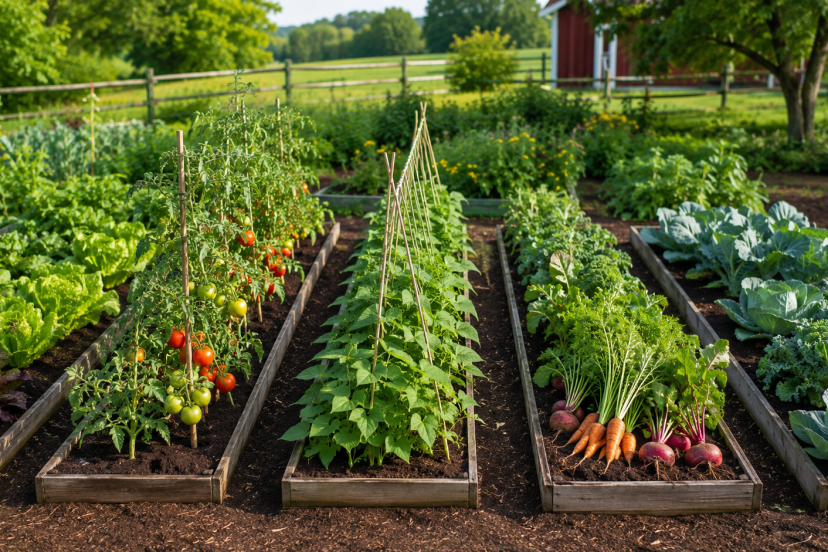
Plants do not all feed the same way. Some crops pull heavily from the soil. Others give something back. Some have deep roots that break up compacted ground. Others grow shallow roots that protect the surface.
Heavy feeders, such as corn, cabbage, tomatoes, squash, and peppers, need plenty of nutrients. If you plant them in the same spot every year, that bed can become depleted.
Legumes, such as peas and beans, can help add nitrogen to the soil. Root crops, such as carrots, beets, and radishes, can help loosen the ground. Leafy greens often grow quickly and work well after heavier crops when the soil has been refreshed.
The USDA notes that rotating crops can help improve nutrients and organic matter, increase yield potential, and disrupt pest life cycles. Their soil health guidance on cover crops and crop rotation is a helpful resource for gardeners who want a stronger soil-first approach.
In addition, a 2025 global crop rotation meta-analysis found that rotations can improve yield, nutrition, and revenue compared with continuous monoculture. That research focuses on larger farming systems, but the lesson still applies in the home garden: diversity usually helps.
Crop Families You Should Know
The easiest way to plan crop rotation is by plant family. Crops in the same family often attract similar pests and diseases. They also tend to use nutrients in similar ways.
Here are the main vegetable families most homesteaders should know:
Nightshade Family
This group includes tomatoes, peppers, potatoes, eggplant, and tomatillos.
Nightshades are popular, but they can be disease-prone. Avoid planting them in the same bed every year, especially if you struggle with blight or soil-borne problems.
Legume Family
This group includes peas, bush beans, pole beans, lima beans, and fava beans.
Legumes are valuable in rotation because they can support nitrogen levels in the soil. They are often a smart follow-up after heavy-feeding crops.
Brassica Family
This group includes cabbage, broccoli, kale, cauliflower, Brussels sprouts, radishes, turnips, and collards.
Brassicas often need rich soil. They can also attract pests such as cabbage worms and flea beetles, so moving them each year helps reduce pressure.
Cucurbit Family
This group includes cucumbers, squash, pumpkins, melons, and zucchini.
Cucurbits spread wide and feed heavily. Give them fresh ground when possible, and avoid placing them where another cucurbit struggled the year before.
Root and Leaf Groups
Carrots, beets, onions, lettuce, spinach, and herbs do not all belong to one family, but many gardeners group them by use when planning simple rotations.
This is not perfect science, but it works well for small homestead gardens.
A Simple Four-Year Crop Rotation Plan
You do not need a spreadsheet that looks like it came from a NASA control room. A simple four-bed system works beautifully.
Year 1: Heavy Feeders
Plant tomatoes, peppers, corn, squash, cucumbers, cabbage, or broccoli.
Add a layer of finished compost or aged manure to the bed before setting your plants in place. These crops need strong soil.
Year 2: Legumes
Plant peas, beans, or other legumes.
These crops help balance the bed after heavy feeders. After harvest, leave healthy roots in the soil if possible so they can break down naturally.
Year 3: Root Crops
Plant carrots, beets, radishes, onions, garlic, or turnips.
Root crops help use the soil differently. They also make you notice compaction quickly, which is useful information.
Year 4: Leafy Greens and Light Feeders
Plant lettuce, spinach, herbs, chard, or other lighter crops.
Then refresh the bed with compost and start the cycle again.
How to Rotate Crops in Raised Beds
Raised beds make crop rotation easier because each bed acts like a separate growing zone. Label each bed with a number or name, then keep a simple map.
For example:
- Bed 1: Tomatoes and peppers
- Bed 2: Beans and peas
- Bed 3: Carrots and onions
- Bed 4: Lettuce and herbs
Next year, move each group one bed forward.
This approach keeps things simple. You do not need to remember every plant from memory. Just keep a notebook, take photos, or save a garden map on your phone.
Iowa State Extension recommends rotating vegetables by plant family and keeping records so you know where crops grew each year. Their guide to crop rotation in the vegetable garden is especially useful for home gardeners.
What If You Have a Small Garden?
Small gardens can still benefit from crop rotation. You may not get a perfect three- or four-year break between plant families, but even partial rotation helps.
If you only have one garden bed, divide it into sections. Move crops from one section to another each season.
You can also use containers. For example, if tomatoes always get disease in one bed, grow them in large pots for a season and plant beans or greens in the bed instead.
Another option is to rotate by priority. Focus most on disease-prone crops first, especially tomatoes, potatoes, squash, cucumbers, and brassicas.
If you cannot rotate everything, rotate what gives you the most trouble. That alone can improve your garden.
Using Cover Crops in Crop Rotation
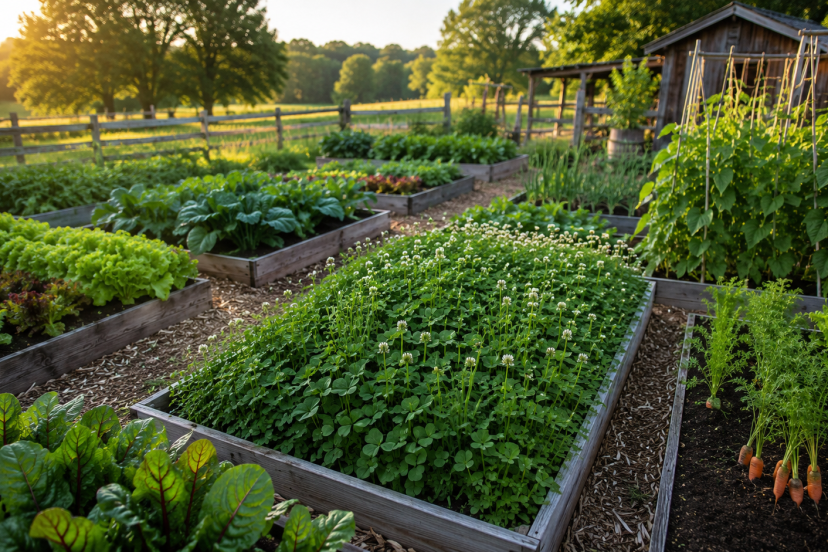
Cover crops are plants grown to protect and improve soil rather than to harvest as a main food crop.
Common cover crops include clover, rye, oats, buckwheat, field peas, and hairy vetch. They can reduce erosion, suppress weeds, add organic matter, and support soil life.
For homesteaders, cover crops are a quiet powerhouse. They help keep soil covered when a bed would otherwise sit empty.
For example, after summer crops finish, you can plant winter rye or clover. In spring, you cut it down and let it break down before planting your next crop.
Just remember that cover crops also belong to plant families. If you are rotating carefully, avoid planting a cover crop that shares the same family as your next main crop.
Recommended Products for Crop Rotation Planning
Here are five useful product ideas to consider for your crop rotation planning:
- Luster Leaf 1601 Rapitest Soil Test Kit – Helpful for checking soil pH, nitrogen, phosphorus, and potassium before planning heavy feeders.
- The Old Farmer’s Almanac Vegetable Gardener’s Handbook – A practical reference for crop families, planting times, and seasonal garden planning.
- REOTEMP Backyard Compost Thermometer – Useful for homesteaders who make compost to refresh beds between rotations.
- Garden Plant Labels or Metal Garden Markers – Simple labels help you track what grew where, especially in raised beds.
- Cover Crop Seed Mix – A mix with clover, rye, oats, or peas can help protect empty beds and add organic matter.
A Simple Crop Rotation Example for Beginners
Here is a beginner-friendly setup for four raised beds:
Bed A: Tomatoes, peppers, eggplant
Bed B: Beans and peas
Bed C: Carrots, onions, beets
Bed D: Lettuce, spinach, herbs
The next year, move everything one bed over.
So Bed A gets legumes. Bed B gets root crops. Bed C gets leafy greens. Bed D gets tomatoes and peppers.
This system is easy to repeat. It also keeps your most demanding crops from sitting in the same soil every year.
Final Tips for Better Results
Start with what you grow most. If tomatoes, beans, squash, and greens are your staples, build the rotation around those.
Add compost between seasons. Crop rotation works better when you feed the soil too.
Keep weeds under control. Some weeds belong to the same families as your vegetables and can host pests or diseases.
Use mulch when you can. Mulch protects soil, holds moisture, and helps reduce erosion.
Most importantly, do not chase perfection. A basic rotation done consistently beats a complicated plan you never use.
Conclusion
Crop rotation is a simple but powerful way to build a healthier, more productive homestead garden over time. By moving crop families from one bed to another, you help protect soil nutrients, reduce pest and disease problems, and give each growing space a chance to recover naturally. You do not need a perfect system to see results; even a basic rotation plan can make your garden easier to manage and more reliable season after season. Start with the crops you already grow, keep simple notes, and let each year teach you how to improve the next.
FAQs
What is crop rotation in simple terms?
Crop rotation means planting different crop families in different garden spots each year. TThis helps keep nutrients balanced while lowering the chance of pest and disease problems returning.
How often should I rotate crops?
A three- to four-year rotation is ideal when space allows. However, even moving crops to a new bed each year can help.
Can I use crop rotation in raised beds?
Yes. Raised beds are excellent for crop rotation because each bed can act as a separate growing zone. Number your beds and move crop families each season.
What crops should not follow tomatoes?
Avoid planting peppers, potatoes, eggplant, or tomatillos after tomatoes because they are all nightshades. Choose beans, peas, greens, or root crops instead.
Do small gardens still need crop rotation?
Yes, but you can keep it flexible. Divide the garden into sections, use containers, and focus on rotating disease-prone crops first.