5 Beginner Homesteading Skills You Should Have Before You Have A Homestead
We may earn a commission for purchases made using our links. Please see our disclosure to learn more.
You do not need acreage, a barn, or chickens to begin homesteading. The best time to build confidence is before you take on land, livestock, and daily chores. Useful beginner homesteading skills can be practiced in an apartment, suburban backyard, rental home, or community garden. You can grow herbs, cook staple foods, preserve a small harvest, handle basic tools, and plan animal care without making a huge investment.
1. Learn to Grow Food and Understand Soil
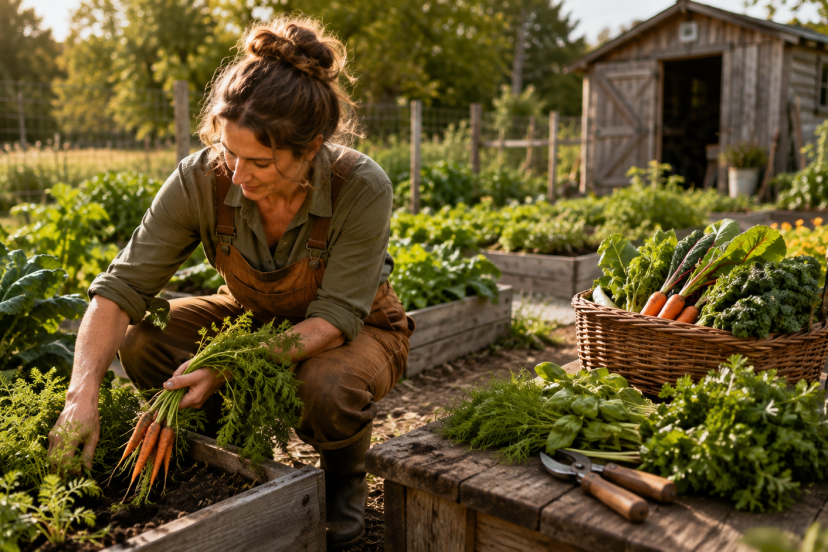
Gardening teaches observation, patience, timing, and problem-solving. Those qualities matter whether you eventually manage four raised beds or several acres.
Start with a few forgiving crops that you already eat. Herbs, lettuce, radishes, bush beans, and cherry tomatoes work well in containers or small beds. Keep the first season manageable so you can notice how sunlight, watering, weather, and pests affect each plant.
Healthy plants begin below the surface. The USDA NRCS soil-health guidance explains that healthy soil regulates water, cycles nutrients, supports plant life, and gives roots physical support. It recommends keeping soil covered, minimizing disturbance, maintaining living roots, and increasing biodiversity.
A US study of 3,889 adults found that home gardeners were more likely to meet fruit and vegetable intake recommendations. However, the study was observational, so it shows an association rather than proving that gardening caused the difference. You can read the full home-gardening and dietary-intake study for a closer look at the findings. Growing food is one of the most valuable beginner homesteading skills because it teaches patience, observation, and practical problem-solving.
Practice This Skill Now
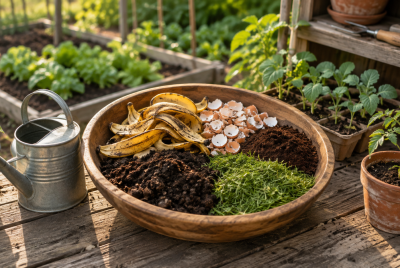
Grow three edible plants, compost suitable kitchen scraps, and record what happens each week. Learn to spot dry soil, overwatering, nutrient stress, and common pest damage before expanding.
For a broader roadmap, read our guide on how to start a homestead from scratch. It explains why clear goals and small projects make more sense than trying to build every system at once.
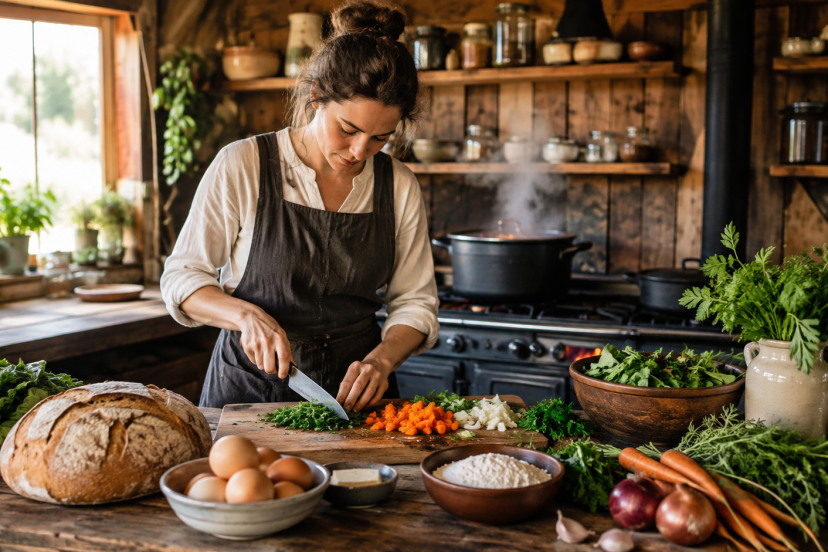
2. Cook Filling Meals From Basic Ingredients
A productive garden does not automatically create a useful food supply. You also need the confidence to turn simple ingredients into meals your household will eat.
Practice cooking beans, rice, eggs, seasonal vegetables, soup, bread, and one-pot meals. Learn how salt, acid, fat, and heat change flavor. Then build five dependable meals that work when you feel tired or short on groceries.
Scratch cooking also teaches inventory control. You notice which staples disappear quickly, which foods go to waste, and how much your family consumes. Those details matter when you plan a pantry, garden, or future livestock.
Do not pressure yourself to make everything from scratch. A useful homestead kitchen should reduce stress, not turn every meal into a test. Start with foods that save money, taste better, or give you more control over ingredients.
Practice This Skill Now
Choose one store-bought item each month and learn a practical homemade version. Try broth, sandwich bread, yogurt, granola, pasta sauce, or dried beans. Keep the version that fits your schedule.
3. Preserve Food Safely
Harvests arrive in waves. Without a preservation plan, ripe produce can become compost quickly.
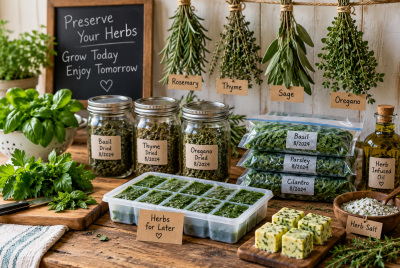
Begin with low-risk methods such as freezing chopped vegetables, drying herbs, making refrigerator pickles, or storing onions and potatoes correctly. These methods teach preparation, labeling, portioning, and stock rotation.
Canning requires more care because acidity, jar size, processing method, time, pressure, and elevation affect safety. The National Center for Home Food Preservation advises canners to use tested recipes from the USDA, NCHFP, or university extension programs. Untested methods can increase the risk of botulism. Review its guidance on the importance of using tested canning recipes before processing a harvest.
Foods with low acidity, including most vegetables, meat, poultry, and seafood, must be processed in a pressure canner. A boiling-water bath does not reach the temperatures needed to process these foods safely. Never improvise processing times or change ingredient ratios unless the tested source allows it.
Practice This Skill Now
Freeze one seasonal ingredient, dry one herb, and complete one tested water-bath recipe for a suitable high-acid food. Clearly mark each container with its contents and the preservation date. Small batches make learning easier.
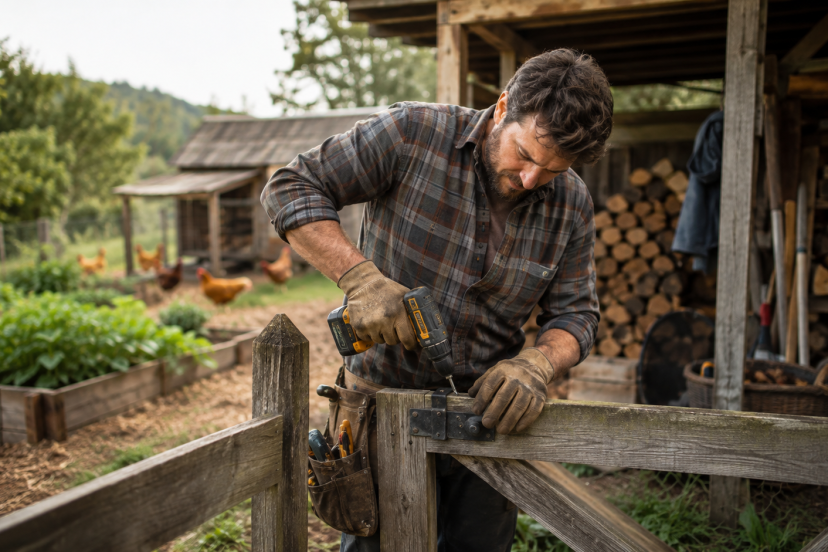
4. Use Basic Tools and Make Simple Repairs
Homesteads constantly produce small maintenance jobs. Hinges loosen, fence boards shift, handles break, hoses leak, and shelves need support. Calling a professional for every minor issue becomes expensive. Among the most practical beginner homesteading skills, basic tool use can save you time, money, and frustration.
Learn to use a tape measure, hammer, screwdriver, cordless drill, level, pliers, and adjustable wrench. Focus on accuracy and safety before speed. Wear eye protection, secure your material, and check for electrical wires or plumbing before drilling into a wall.
Start with forgiving projects. Build a shelf, replace a latch, patch a screen, weather-strip a door, or assemble a raised bed. These jobs teach measuring, fastening, leveling, and choosing hardware.
Know your limits. Electrical panels, gas lines, structural damage, major plumbing failures, and dangerous tree work belong with qualified professionals unless you have proper training.
Practice This Skill Now
Create a small repair kit and complete one maintenance task each month. Take photos before disassembly, keep screws in a labeled container, and note the tool sizes you used.
5. Plan Systems and Learn Responsible Animal Care
Many beginners picture chickens, goats, ducks, or bees first. Animals enrich a homestead, but they create fixed responsibilities. Feed, water, shelter, fencing, sanitation, predator protection, veterinary care, and backup help all require planning.
Before buying animals, study one species in detail. Calculate startup and monthly costs. Check local zoning, space needs, noise concerns, manure management, and access to suitable veterinary care.
Whenever possible, volunteer at a farm, help a neighbor, or care for someone’s animals. A weekend of early feeding, muddy waterers, and coop cleaning teaches more than attractive social-media clips.
This guide to chicken coops for beginners covers shelter, ventilation, cleaning, space, and predator protection. It is a useful starting point if poultry sits near the top of your plans.
Practice This Skill Now
Create a seven-day care schedule for your chosen animal. Include morning and evening chores, weekly cleaning, feed storage, emergency contacts, vacation coverage, and estimated costs.
When the routine feels unrealistic on paper, adjust it before an animal depends on you.
Five Useful Products for New Homesteaders
1. Fiskars Ergo Garden Tool Set, 3-Piece
This compact set includes a trowel, transplanter, and cultivator for working in containers, raised beds, and small garden plots. It gives beginners the essential tools they need without taking up much storage space.
2. Lodge 5-Quart Cast Iron Double Dutch Oven
This versatile cookware handles soups, beans, bread, roasting, and campfire meals with ease. The lid also doubles as a skillet, making it especially useful in kitchens where space and simplicity matter.
3. Norpro Canning Essentials 6-Piece Set
This set includes a jar lifter, funnel, lid lifter, tongs, jar wrench, and a bubble remover with a headspace-measuring tool. These accessories make filling and handling hot jars safer and more convenient.
4. DEWALT DCD771C2 20V MAX Compact Drill/Driver Kit
This cordless drill offers two speed settings and comes with two batteries, a charger, and a storage bag. It works well for basic drilling, fastening, repairs, and beginner building projects around the home or garden.
5. The Backyard Homestead by Carleen Madigan
This practical reference covers gardening, food production, preservation, and small-scale livestock care. It can help beginners explore different homesteading paths, though safety-related instructions should still be checked against trusted extension or official sources.
Conclusion
The best beginner homesteading skills do more than prepare you for rural life. They help you become calmer, more capable, and realistic about the work behind self-reliance. Start where you live now. Grow a few foods, master several meals, preserve one small batch, fix something useful, and study animal care honestly. When the right property comes along, you will arrive with experience—not just enthusiasm.
FAQs
What beginner homesteading skills should a complete beginner learn first?
Start with cooking or gardening because you can practice either almost anywhere. Choose the one that solves a current need, such as reducing food waste, preparing more home-cooked meals, or growing herbs.
Can I learn homesteading skills while living in an apartment?
Yes. Grow herbs, cook staple foods, freeze seasonal produce, mend clothing, maintain tools, and study household budgeting. Homesteading begins with capability, not property size.
How long does it take to become ready for a homestead?
There is no fixed timeline. Spend at least one growing season practicing several skills and tracking the time, cost, and effort involved. Readiness matters more than speed.
Do I need to learn canning before moving to a homestead?
No. Freezing, drying, fermenting, and pantry storage may suit your food supply better. Learn canning when you can follow tested instructions and use the correct equipment.
Should beginners raise several animal species at once?
Usually not. Start with one species and establish a dependable routine before adding another. Each animal changes fencing, feed storage, sanitation, costs, and emergency planning.