Organic Gardening: How to Grow Naturally
We may earn a commission for purchases made using our links. Please see our disclosure to learn more.
Growing your own food can be incredibly rewarding, but weeds, poor soil, and garden pests can make things challenging fast. For homesteaders, the goal is not to create a flawless garden. It is to build a healthy growing space that becomes more productive and easier to care for each season. Organic gardening focuses on working with the soil and natural growing conditions rather than relying heavily on synthetic products. With better soil, well-chosen crops, smart watering, and early pest control, you can grow strong vegetables and herbs while creating a more sustainable garden.
What Is Organic Gardening?
Organic gardening focuses on building healthy soil and managing plants with natural or biologically based methods. In a home garden, that often means using compost, mulch, crop rotation, cover crops, physical pest barriers, and carefully selected fertilizers.
There is no single certification standard for a backyard organic garden. The practical goal is to improve soil health, reduce unnecessary chemical use, and create conditions where plants can grow strongly.
According to NC State Extension’s organic gardening guide, organic gardening works best as a whole-system approach rather than simply replacing synthetic products with organic versions. Healthy soil, biodiversity, prevention, and careful pest management work together.
Start With the Right Garden Location
A productive garden needs enough sun, convenient access to water, and soil that drains well.
Most fruiting vegetables, including tomatoes, peppers, beans, cucumbers, and squash, perform best with at least six hours of direct sunlight. Avoid low areas that stay soggy after rain, since constantly wet soil limits oxygen around roots.
If you are new to growing food, start with one or two manageable beds. A smaller garden is easier to weed, water, inspect, and improve.
Build Healthy Soil Before Planting
Soil is the foundation of organic gardening. Before adding fertilizer, learn what you already have.
A soil test can reveal pH and nutrient levels, helping you avoid unnecessary amendments. Too much of certain nutrients can create plant problems and contribute to runoff.
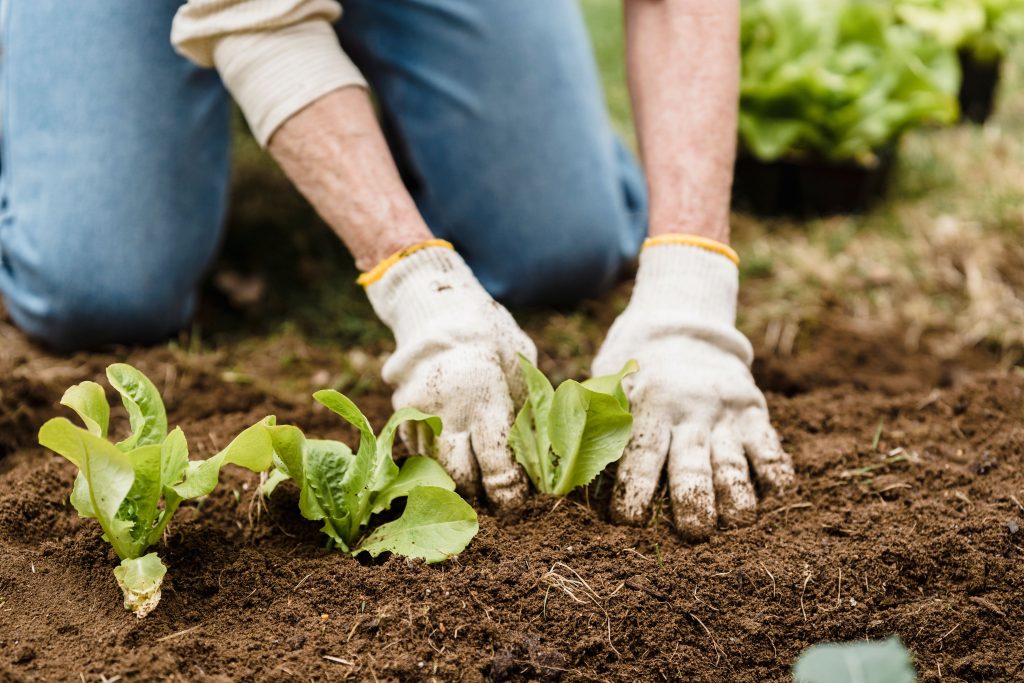
Adding organic material can improve the structure of both sandy soil and dense clay soil. Compost, decomposed leaves, and suitable cover crops can improve structure while supporting organisms that cycle nutrients.
The University of Minnesota Extension’s healthy soil guidance recommends testing soil, adding organic matter, protecting bare soil with mulch or cover crops, and rotating crops as core practices for maintaining healthy garden soil.
Use Compost as a Soil Builder
Compost adds organic matter, improves soil structure, and helps soil hold moisture while still allowing air to reach roots.
You can compost dry leaves, untreated garden waste, vegetable scraps, and coffee grounds. Keep meat, dairy, oils, pet waste, and diseased plant material out of a basic backyard pile.
Mature compost usually has a dark, loose texture and a clean, soil-like smell.
If you want to turn kitchen scraps into a useful soil amendment in a smaller space, this beginner’s guide to vermicomposting explains how composting worms can help process organic waste.
Avoid assuming that more compost always means better soil. Penn State Extension’s guidance on applying compost warns that overapplication can add excessive nutrients, including nitrogen and phosphorus, so soil testing still matters.
Choose Crops That Fit Your Climate
Organic methods work best when the plant already suits the growing conditions.
Pick plant varieties that match your local climate and the time of year you plan to grow them. Pay attention to days to maturity, disease resistance, heat tolerance, and spacing requirements.
Beginner-friendly crops often include bush beans, radishes, lettuce, kale, zucchini, and culinary herbs. Tomatoes are popular too, but usually need more staking, feeding, and disease monitoring.
Planting at the correct time reduces stress and makes pest management easier. A cool-season vegetable forced through extreme summer heat will struggle regardless of how carefully you fertilize it.
Feed Plants Without Overdoing It
Compost can provide some nutrients, but it does not always supply everything a vegetable crop needs.
When a soil test shows a deficiency, use an appropriate organic fertilizer and follow the label rate. Options include composted manures, plant-based meals, fish-based fertilizers, and blended granular products approved for organic gardening.
Yellowing leaves do not always mean your plants need more fertilizer. Overwatering, compacted soil, root damage, disease, and poor light can produce similar symptoms.
Raw manure also needs extra care in food gardens because it may carry pathogens. Compost manure properly and follow food-safety guidance before using it around edible crops.
Water Deeply and Mulch the Soil
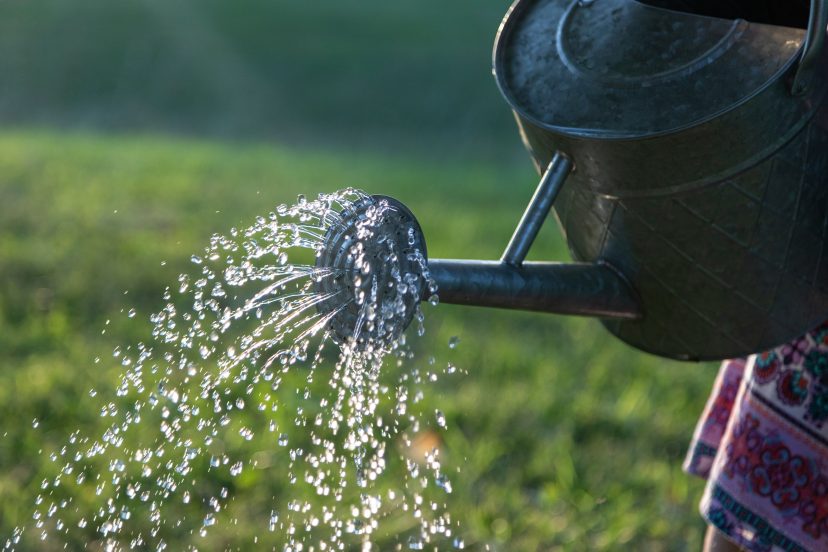
Water deeply enough to moisten the root zone, then allow the upper soil to begin drying before watering again. Water near the base of plants when possible rather than routinely soaking foliage.
A two- to four-inch layer of organic mulch can reduce evaporation, suppress weeds, soften temperature swings, and reduce soil splash. Straw, shredded leaves, and finished compost are practical options.
Keep mulch slightly away from plant stems instead of piling it against them.
Manage Pests With Prevention First
A few insects do not mean your garden is failing. Many are harmless, and some help by pollinating crops or feeding on pests.
Inspect plants several times a week. Check leaf undersides, growing tips, and stems for eggs, chewing damage, spots, or clusters of insects.
Start with the least disruptive solution. Handpick larger pests, remove badly damaged leaves, use row covers where appropriate, and keep weeds under control.
If you use an organic pesticide, identify the pest first and follow the label carefully. Naturally derived products can still harm beneficial insects when misused. Preventive, physical, and biological controls should usually come first.
Rotate Crops and Use Cover Crops
Growing the same plant family in the same bed every year can allow certain pests and diseases to build up. Keep a simple notebook showing where major crop families grew each season.
Cover crops protect bare soil, reduce erosion, compete with weeds, and can add organic matter when managed correctly.
If you have empty beds after harvest, these fall cover crop options for homestead gardens offer several ways to protect and improve soil between growing seasons.
Best Products for Organic Gardening
You do not need a shed full of equipment. A few practical tools and soil-building products can make routine jobs easier.
1. Espoma Organic Garden-Tone 3-4-4
Espoma Organic Garden-Tone is a dry, granular plant food made for vegetable and herb gardens. It is approved for organic gardening and offers a measured nutrient source when your soil or crops need additional feeding.
2. Fiskars 6-Inch Non-Stick Pruning Snips
These compact pruning snips feature steel blades and an easy-action design. They are useful for harvesting herbs, trimming small stems, and removing damaged foliage without reaching for larger pruning shears.
3. REOTEMP 20-Inch Backyard Compost Thermometer
The REOTEMP Backyard Compost Thermometer has a long probe designed to reach into a compost pile. It lets you monitor internal temperature rather than judging compost activity only from the surface.
4. Jobe’s Organics Granular Garden Fertilizer
Jobe’s Organics Granular Garden Fertilizer is formulated for vegetable gardens and tomato plants. It provides another organic nutrient option when soil testing or plant needs indicate that additional feeding is appropriate.
5. Burpee Organic Coconut Coir Seed Starting Mix
Burpee’s compressed coconut coir expands with water to create a lightweight growing medium for starting vegetable, herb, and flower seeds. The product is OMRI listed and designed specifically for seed starting and seedlings.
Conclusion
Organic gardening works best when you build a healthy system instead of chasing individual problems. Good soil, suitable crops, steady moisture, mulch, crop rotation, and early pest checks do most of the work. Start with one bed this season. Test the soil, add only what it needs, mulch after planting, and keep notes on what performs well. Those observations will make next year’s homestead garden easier to manage and more productive.
FAQs
What is the easiest way to start organic gardening?
Begin with a small sunny bed, test the soil, add finished compost if needed, and plant a few crops suited to your season. Starting small makes watering, weeding, and pest management much easier.
Can you grow vegetables organically without fertilizer?
Sometimes. Fertile soil may already supply enough nutrients, but productive crops remove nutrients over time. Soil testing helps you decide when compost or another fertilizer source is needed.
What is the best organic matter for a vegetable garden?
Well-finished compost is one of the most versatile choices. Decomposed leaves and properly managed cover crops can also improve soil structure and organic matter levels.
How do you control bugs in an organic garden?
Identify the pest first, then use prevention, hand removal, physical barriers, sanitation, and biological controls before using pesticides. Even organic pesticides should be applied selectively.
How often should you add compost to an organic garden?
There is no universal schedule. Soil fertility, compost nutrient content, and crop needs determine how much to apply, so test periodically rather than adding large amounts by habit.