How To Plan A Homestead Layout For 5 Acres
We may earn a commission for purchases made using our links. Please see our disclosure to learn more.
Five acres might not sound like much compared to a large farm, but it’s enough room to build a productive homestead. You can grow vegetables, plant fruit trees, raise small livestock, and still have space for your home and outdoor activities. The tricky part is figuring out the best spot for each feature on your property. A poorly planned property can leave you walking long distances, struggling with drainage, or constantly moving fences. A practical homestead layout for 5 acres starts with understanding your land and organizing it around your daily needs. Here’s how to make the most of your space without creating unnecessary work.
Understanding What Five Acres Can Support
Five acres equals 217,800 square feet. That’s plenty of space for several homesteading projects, although the usable area depends on terrain, soil conditions, and local regulations.
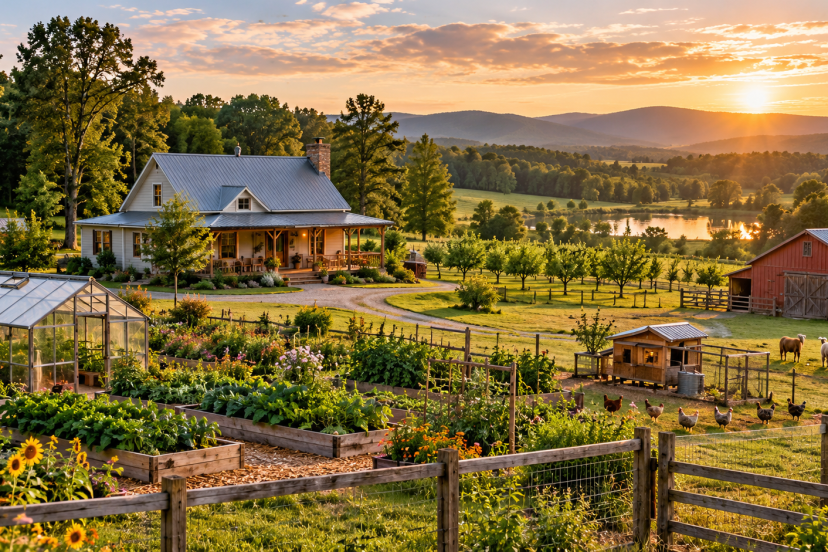
A typical five-acre homestead might include:
- A house, driveway, and storage buildings
- Vegetable gardens and a greenhouse
- Fruit trees and berry bushes
- Chicken coops and small livestock shelters
- Fenced pasture or growing areas
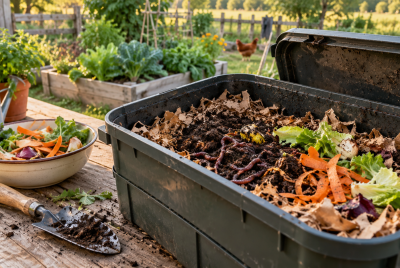
- Composting stations and rainwater storage
You probably won’t fit every agricultural activity onto five acres. That’s fine. The goal is to build a property that supports your lifestyle without becoming difficult to maintain.
Evaluate Your Land Before Planning
Before drawing your layout, spend time observing the property. Even a simple walk around the land can reveal important details.
Check Soil Quality and Drainage
Some areas may have rich soil suitable for vegetables, while others contain heavy clay, rocks, or compacted ground.
The USDA’s Web Soil Survey provides information about soil characteristics and land-use suitability.
Walk the property after heavy rainfall, too. Notice where water collects and which areas dry quickly.
Avoid placing important buildings in locations that regularly flood.
Observe Sunlight and Wind
Track sunlight throughout the day before choosing your garden location.
Most vegetables that need full sun perform best with six to eight hours of direct sunlight.
Also, identify prevailing winds. Trees, hedges, and carefully positioned buildings can help protect gardens and livestock from harsh weather.
Check Property Restrictions
Review zoning rules, building setbacks, septic requirements, easements, and livestock regulations.
These requirements can affect where you build structures, install fences, or place animal shelters.
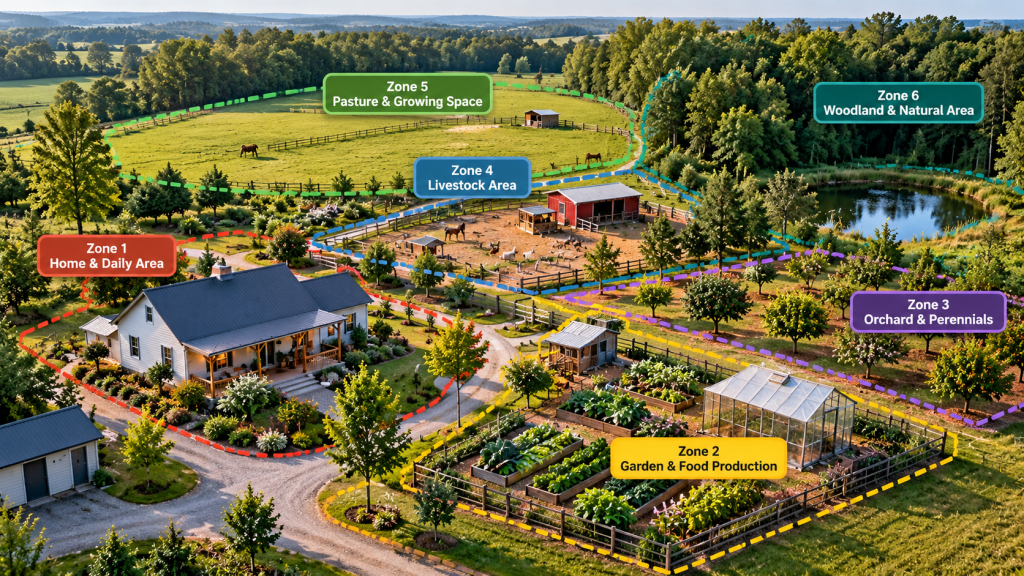
Divide Your Homestead Into Practical Zones
One of the easiest ways to organize five acres is to group activities according to how often you use them.
Think about the places you’ll visit several times daily versus areas that need occasional attention.
A practical arrangement includes:
- Zone 1: House, kitchen garden, herbs, and frequently used tools.
- Zone 2: Vegetable beds, greenhouse, compost, and chicken coop.
- Zone 3: Orchard, berry patches, and small livestock areas.
- Zone 4: Pasture, larger growing plots, and equipment storage.
- Zone 5: Woodland, wildlife habitat, or natural buffer areas.
These zones don’t need perfect boundaries. They’re simply a way to reduce unnecessary walking and make daily chores easier.
Sample Homestead Layout for 5 Acres
Here’s one example of how you could divide your property.
| Homestead Area | Suggested Space |
| House, driveway, and utility areas | 0.75 acre |
| Vegetable gardens and greenhouse | 0.50 acre |
| Orchard and berry plants | 1.00 acre |
| Poultry and small livestock facilities | 0.75 acre |
| Pasture or flexible growing space | 1.25 acres |
| Woodland and natural buffers | 0.75 acre |
| Total | 5.00 acres |
This example includes access within each zone, but actual allocations will vary.
A wooded or steep property might need more conservation space. Likewise, someone focused on vegetable production may prefer additional growing beds instead of pasture.
<text preserveWhitespace={true}> </text>
Choose the Best Location for Your Home
Your house becomes the center of daily homestead activities.
Position it where you have reliable road access, suitable ground conditions, and room for essential utilities.
Whenever practical, consider placing your home closer to the property entrance. This can reduce driveway construction and maintenance costs.
Keep your vegetable garden and frequently used storage areas within comfortable walking distance.
Before finalizing the building site, confirm septic feasibility, drainage, and access for delivery trucks and emergency vehicles.
Plan Your Vegetable Garden and Orchard
Your vegetable garden deserves some of the most accessible land.
Choose a sunny location with fertile soil and a nearby water supply. Keeping the garden close to your house makes watering, harvesting, and pest monitoring much easier.
Start with a manageable growing area instead of cultivating the entire half-acre immediately.
Raised beds, composting areas, and permanent walking paths can make maintenance more efficient.
For long-term soil improvement, consider planting fall cover crops for homestead gardens between growing seasons.
Place fruit trees where they receive adequate sunlight and have room to mature.
Avoid planting large trees where they’ll eventually shade vegetable beds or interfere with buildings and overhead utilities.
Create Space for Livestock
Livestock can make your homestead more productive, but animals need proper housing, fencing, and daily care.
Chickens are a common starting point because they require relatively little space compared with larger farm animals.
Goats and sheep need considerably more planning, especially for fencing, shelter, pasture management, and feed storage.
Keep animal shelters accessible for feeding and cleaning. Position manure storage away from wells, waterways, and food-growing areas.
Five acres doesn’t automatically provide enough grazing for larger livestock. Carrying capacity depends on pasture quality, climate, and forage production.
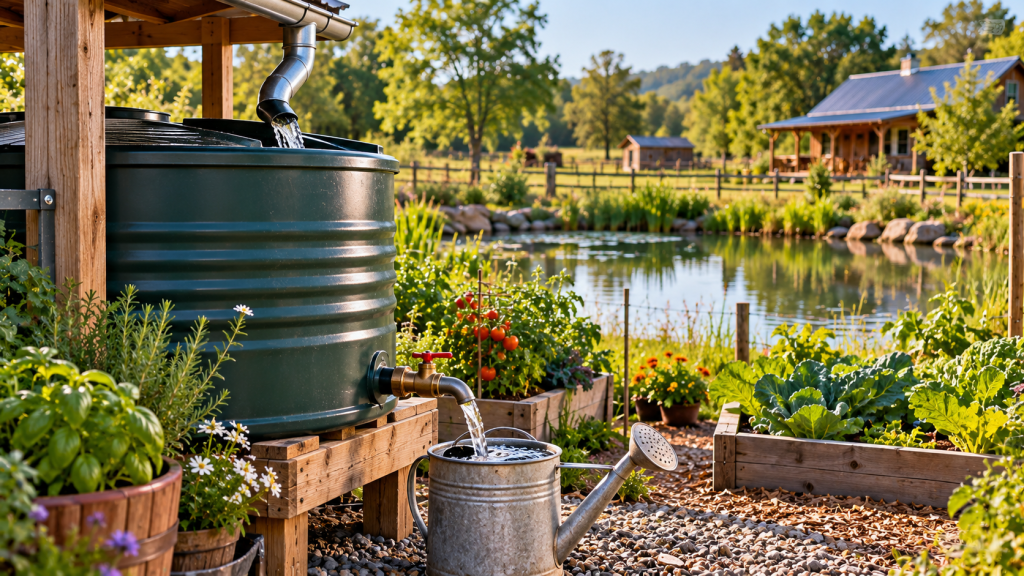
Plan Water, Utilities, and Access
Water availability should influence nearly every part of your layout.
Identify your existing water source before placing large gardens, orchards, or livestock facilities.
Penn State Extension’s farmland assessment checklist highlights the importance of evaluating water resources, irrigation needs, sunlight, and usable acreage.
Consider installing irrigation lines near growing areas and rainwater collection systems where local regulations permit them.
You’ll also need practical routes between buildings and fields.
Plan paths wide enough for wheelbarrows, mowers, and equipment you expect to use.
Mark underground utility routes and preserve access to septic systems. Avoid placing permanent structures where future maintenance or repairs may require excavation.
Build Your Homestead in Stages
Trying to develop all five acres immediately can become expensive and exhausting.
A gradual approach gives you time to understand your property’s needs.
- Year 1: Establish your home area, water supply, essential access, and a small vegetable garden.
- Year 2: Expand growing beds, plant fruit trees, and improve composting and irrigation.
- Year 3: Add livestock facilities or larger growing areas once you understand the maintenance requirements.
Leave some land flexible. Your priorities may change after several growing seasons.
Recommended Products for Homestead Planning
A few practical tools can make designing and maintaining your homestead layout for 5 acres easier.
1. MySoil Soil Test Kit
The MySoil mail-in test kit provides laboratory analysis of soil nutrients and pH. It can help guide garden amendments before planting.
For major land-management decisions, a local agricultural extension laboratory may offer more region-specific recommendations.
2. IRWIN Tools Strait-Line Flagging Tape
This weather-resistant marking tape helps identify proposed garden boundaries, fence lines, and temporary pathways.
It’s particularly useful when testing a layout before installing permanent structures.
3. Fiskars Steel D-Handle Garden Spade
This sturdy steel spade works well for creating garden edges, removing turf, and digging small planting areas.
Its D-shaped handle provides additional control during routine landscaping work.
4. Orbit Digital Hose Watering Timer
This programmable timer connects to a hose faucet and helps automate watering schedules.
It’s a practical addition to a small garden irrigation setup, although it doesn’t replace regular soil moisture checks.
5. VIVOSUN 5-Gallon Fabric Grow Bags
These reusable fabric containers allow you to experiment with plant placement before creating permanent beds.
They’re useful for growing herbs and compact vegetables while testing different sunny locations.
Conclusion
A good homestead layout for 5 acres should make everyday life easier, not give you more work than you can handle. Keep your garden close to the house, plan easy access to water, and give your animals enough room to stay healthy. Start with what matters most to you, whether that’s growing vegetables, raising chickens, or planting an orchard. You can always add more as you learn what works on your land. The best layout is one that fits your needs and is manageable year after year.
FAQs
1. Is five acres enough for a self-sufficient homestead?
Five acres can support substantial food production through vegetable gardens, orchards, poultry, and other small-scale activities. However, complete self-sufficiency depends on household needs, climate, land quality, available resources, and the amount of time you can dedicate to farming.
2. How much of five acres should be used for gardening?
A quarter-acre to half-acre vegetable garden can provide substantial growing space for many households. Beginners may want to start smaller. Your ideal garden size depends on household food needs, crop choices, growing conditions, and available labor.
3. Where should a chicken coop go on a five-acre homestead?
Choose well-drained ground that provides convenient access for feeding, cleaning, and collecting eggs. Keep the coop away from sensitive water sources and follow local setback requirements. Make sure the animals have a safe shelter that keeps predators out and protects them from harsh weather.
4. Can you raise goats on a five-acre property?
Yes, goats may fit into a five-acre homestead when local regulations allow them. However, pasture quality, fencing, shelter, herd size, and supplemental feed all matter. Research their nutritional needs before deciding how many animals your property can support.
5. What should you build first on a five-acre homestead?
Start with essential infrastructure, including reliable water access, suitable drainage, safe entry routes, and necessary utilities. Once those are in place, establish a manageable vegetable garden. Add livestock facilities and permanent outbuildings as your needs become clearer.