What Is the Best Raised Garden Bed Soil Mix?
We may earn a commission for purchases made using our links. Please see our disclosure to learn more.
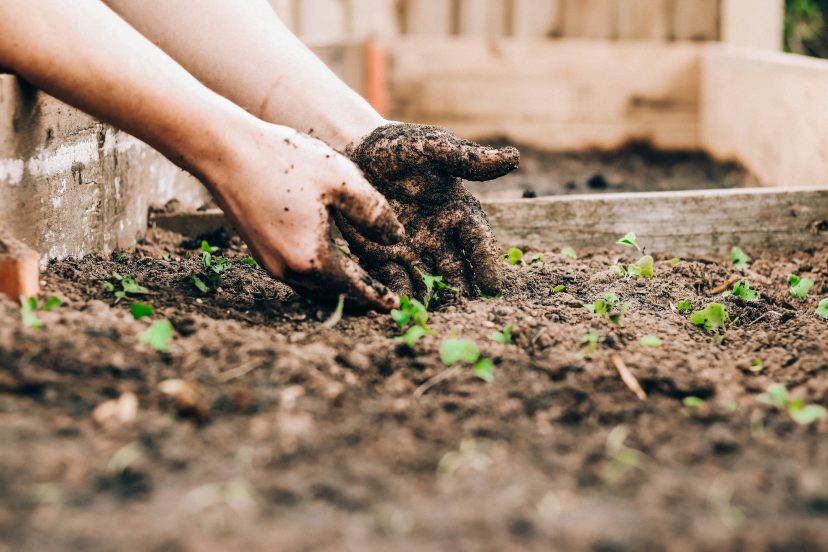
When your raised beds aren’t yielding the way you expected, it’s soil trouble. The soil in a raised garden bed needs to drain well, retain moisture, and supply consistent nutrients without becoming heavy or compacted. In this article, you will find out what constitutes a good raised garden bed soil mix, which ingredients to use and which to avoid and how to maintain your beds healthy year after year.
What Makes Raised Garden Bed Soil Different?
Raised beds tend to lose moisture more quickly than traditional in-ground gardens. They also warm up quicker, drain better, and give you more control over soil quality.
That means you do not want to fill them with plain yard dirt or straight compost. Yard soil can become compacted, while too much compost can hold excess nutrients and break down quickly.
A good raised bed mix should be:
- Loose enough for roots
- Rich in organic matter
- Moisture-retentive but not soggy
- Well-draining
- Balanced in nutrients
The Best Raised Garden Bed Soil Mix
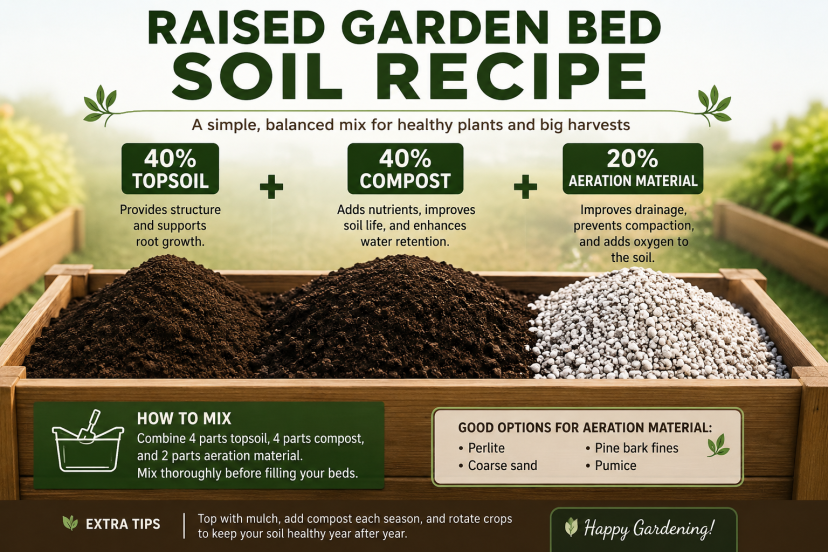
For most vegetables and herbs, use this basic recipe:
40% Topsoil
Topsoil gives the mix mineral structure. It helps anchor roots and keeps the bed from becoming too fluffy.
40% Compost
Compost adds nutrients, improves texture, and supports soil life. Oregon State University Extension notes that compost should be mixed with soil rather than used alone in framed raised beds.
20% Aeration Material
Use coarse sand, perlite, pine bark fines, or similar materials. These help water move through the bed and reduce compaction.
A Simple Raised Bed Soil Recipe
For one raised bed, you can mix:
- 4 parts screened topsoil
- 4 parts finished compost
- 2 parts perlite, coarse sand, or pine bark fines
Blend everything well before planting. If your compost is very rich, reduce it slightly and add more topsoil.
Best Ingredients for Raised Garden Bed Soil
Finished Compost
Compost should smell earthy, not sour or rotten. Use plant-based compost, aged manure compost, or homemade compost.
Screened Topsoil
Choose clean, screened topsoil from a reliable supplier. Avoid heavy clay, construction fill, or soil with weeds and debris.
Coconut Coir or Peat Moss
These materials help hold moisture. Coconut coir is popular because it is lightweight and easy to use.
Perlite or Pumice
These improve drainage and keep the soil from packing down.
Worm Castings
Worm castings add gentle nutrients and beneficial microbes. Use them as a booster, not the entire mix.
What Not to Put in Raised Beds
Avoid filling raised beds with:
- Straight compost
- Fresh manure
- Heavy clay soil
- Unfinished wood chips mixed into the planting zone
- Cheap “fill dirt”
- Soil from unknown urban areas
If you garden near older buildings, roads, or industrial areas, testing matters. Soil testing helps you avoid problems with contaminants and nutrient imbalance.
How Much Soil Should You Add to a Raised Garden Bed?
Most vegetables need at least 8–12 inches of good soil. However, deeper beds are better for tomatoes, peppers, carrots, potatoes, and squash.
The University of Maryland Extension notes that raised beds on hard surfaces should be at least 8 inches deep for shallow crops and 12–24 inches for crops like tomatoes, peppers, and squash.
How to Improve Old Raised Bed Soil
Raised bed soil settles over time. That is normal. Compost breaks down, roots use nutrients, and rain slowly compacts the mix.
Each season, add:
- 1–2 inches of compost
- Mulch to protect moisture
- Organic fertilizer based on crop needs
- Fresh aeration material if the soil feels dense
The University of Minnesota Extension recommends soil testing and adding compost or nutrients based on what your garden actually needs.
Soil Testing for Better Results
A soil test tells you your pH, nutrient levels, and what amendments to add. This is especially helpful if your plants look weak even when you water correctly.
For most vegetable gardens, aim for a slightly acidic to neutral pH, often around 6.0–7.0. However, follow your local extension office’s recommendations because soil needs vary by region.
Why Compost and Soil Balance Matter in Raised Garden Beds
Research supports what many homesteaders learn through experience: balanced soil grows better plants. A study on raised bed vegetable production systems found that compost-based raised beds can support strong yields while reducing the need for added mineral fertilizer.
A comprehensive review on organic fertilizers and soil health also found that compost and similar amendments improve soil structure, water retention, microbial activity, and nutrient availability.
For homesteaders, the takeaway is simple: a raised bed mix with quality topsoil, finished compost, and aeration material gives plants a healthier, more productive place to grow.
Raised Bed Soil and Crop Rotation
Healthy soil works even better when you rotate crops each season. For example, avoid planting tomatoes in the same bed year after year. Rotating crops can help reduce disease pressure and balance nutrient demand.
For a simple guide, read this helpful resource on crop rotation for healthier garden beds.
Recommended Products
Here are five useful product ideas for building or improving raised garden bed soil:
- Miracle-Gro Performance Organics Raised Bed Mix – A convenient bagged option for gardeners who want a ready-to-use raised bed soil.
- Espoma Organic Land & Sea Gourmet Compost – A quality compost option for adding organic matter and improving soil texture.
- Burpee Organic Coconut Coir Concentrated Seed Starting Mix – Helpful for moisture retention and seed starting.
- Horticultural Perlite – Good for improving drainage and preventing compacted soil.
- Worm Castings Organic Fertilizer – A gentle soil booster that supports vegetables, herbs, and flowers.
Conclusion
The best raised garden bed soil mix is not about using one perfect ingredient; it is about creating balance. A good blend of quality topsoil, well-rotted compost, and materials that promote drainage and air circulation creates an environment where roots have the room, moisture and nutrients necessary to prosper. To homesteaders, healthy soil means less headaches, greater yields and a garden that gets better with age. Begin with a balanced mix, refresh with compost each season, rotate your crops and your raised beds will become more productive.
FAQs
What soil blend works best in raised garden beds?
A good basic mix is 40% topsoil, 40% compost, and 20% aeration material such as perlite, coarse sand, or pine bark fines.
Is it okay to use only compost in a raised bed?
No. Compost alone can become too rich, settle quickly, and hold too much moisture. Mix it with topsoil and drainage materials.
Is topsoil good for raised beds?
Yes, but use screened, clean topsoil. Avoid heavy clay, fill dirt, or soil from questionable sources.
How often should I add compost to raised beds?
Add 1–2 inches of finished compost once or twice a year, usually before spring planting or after harvest.
Should raised garden beds be fertilized?
In many cases, they should. Compost helps, but heavy-feeding crops like tomatoes, corn, and squash may need extra organic fertilizer based on soil test results.