How Backyard Beekeeping Benefits Your Homestead
We may earn a commission for purchases made using our links. Please see our disclosure to learn more.
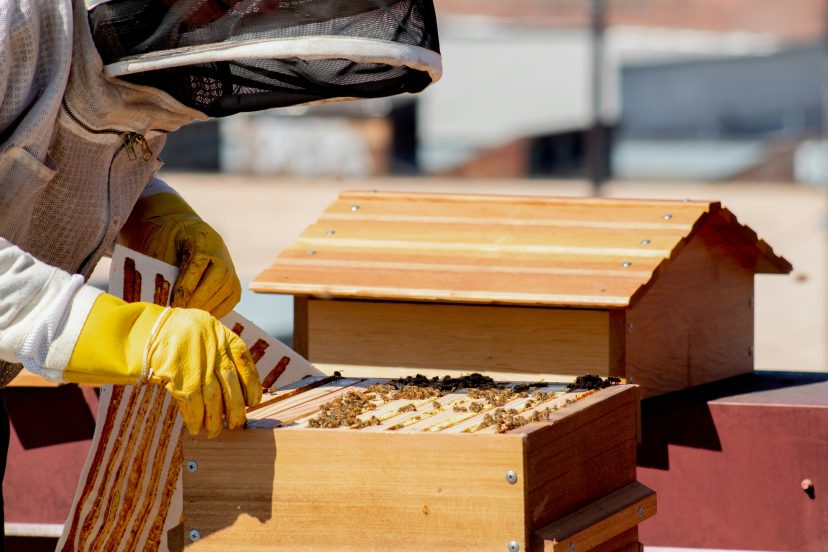
Backyard beekeeping can turn one quiet corner of your property into a productive part of the homestead. A healthy colony may pollinate food crops, provide honey and beeswax, and teach you to notice seasonal changes that are easy to miss from the kitchen window.
Still, a hive is not a garden ornament or a “set it and forget it” project. Bees are livestock. They need thoughtful placement, routine inspections, pest monitoring, and enough forage. When you begin with realistic expectations, however, keeping bees can add far more to your homestead than jars of honey.
Why Bees Fit Naturally Into a Homestead
Bees need little ground space compared with goats or chickens. The workers travel beyond your property to gather nectar, pollen, water, and plant resins, so even a modest yard may support a hive when the surrounding area offers good forage.
That compact footprint makes bees worth considering among the best animals for a small homestead. You will need a stable stand, safe flight path, nearby water, and room to work behind the hive.
1. More Reliable Pollination Around the Garden
Honey bees visit flowers repeatedly while collecting food. Those visits can improve fruit set in bee-pollinated plants such as apples, cucumbers, melons, squash, and berries. The USDA reports that honey bees help pollinate more than 130 types of fruits, nuts, and vegetables, which shows why managed colonies matter to food production. See the agency’s overview of honey bees and crop pollination.
Results will vary by crop, weather, bloom timing, and the native pollinators already present. A hive also will not help wind-pollinated crops such as corn. To make the garden more useful to many pollinators, grow overlapping blooms and use a companion planting plan that includes herbs and flowers alongside vegetables.
2. Honey With a Clear Local Story
Harvesting honey is the benefit most people imagine first. Home-produced honey reflects the flowers available within the bees’ foraging range, so its color and flavor can change from one season to the next.
Do not count on a large crop in year one. A new colony must build comb, raise brood, and store enough food to survive winter. Harvest only a genuine surplus, based on local overwintering needs. Some years may bring plenty; drought, swarming, disease, or poor nectar flow can leave none to spare.
3. Useful Beeswax and Other Hive Products
Wax cappings left after extraction can become candles, fire starters, furniture polish, or homemade salves. That turns a small by-product into another practical homestead material.
Products intended for skin or food require clean handling, suitable recipes, and careful labeling. Never promise medical benefits from hive products.
4. A Stronger Awareness of the Seasons
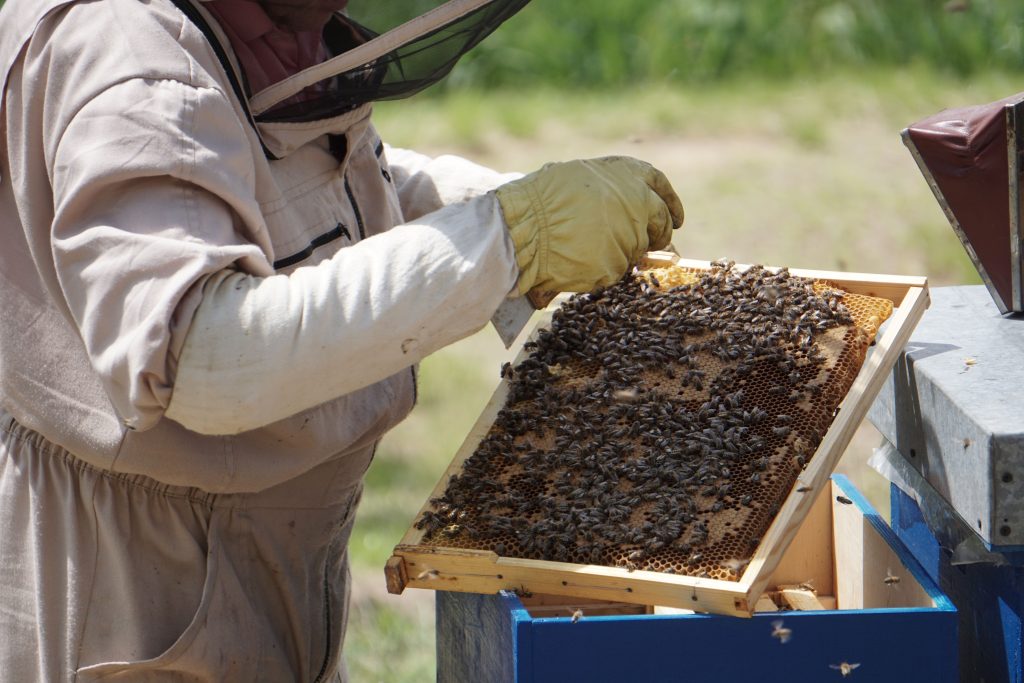
A colony makes you pay attention. You start noticing the first maple pollen, the gap between spring and summer bloom, rainfall patterns, and when goldenrod opens. These observations can improve decisions across the property, from planting dates to water management.
Record inspection dates, brood patterns, queen status, food stores, mite counts, and treatments. Over time, those notes become a valuable local guide.
5. Practical Skills and Family Learning
Backyard beekeeping develops calm observation, planning, light carpentry, food handling, and basic insect biology. It also gives older children a close look at pollination and social behavior when a capable adult supervises them and everyone wears suitable protection.
The work rewards patience. You learn to read the colony and respond without disrupting it more than necessary.
6. Another Layer of Homestead Resilience
A healthy apiary can diversify a small homestead. Honey, wax goods, nucleus colonies, or pollination services may eventually produce modest income or useful barter. Yet it is safer to treat these as possible bonuses, not guaranteed profit.
Equipment, feed, treatments, and colony losses affect the budget. Build competence first, and check local rules before selling anything.
7. A Reason to Improve the Whole Property
Bees encourage better land stewardship. A beekeeper soon sees the value of pesticide restraint, clean water, hedgerows, clover, flowering trees, and continuous bloom from early spring through fall.
Honey bees are only one part of the pollinator community. Native bees often serve plants that honey bees do not. Preserve bare soil, hollow stems, and undisturbed habitat where practical, and avoid treating every flowering “weed” as a problem. Good backyard beekeeping should complement native pollinators, not replace them.
What Backyard Beekeeping Really Requires
Before ordering bees, check municipal rules, property setbacks, homeowners’ association restrictions, and any registration requirements. Talk with nearby neighbors, especially if anyone has a serious sting allergy. Face the entrance away from paths, doors, pets, and play areas; a fence or hedge can lift the bees’ flight path above head height.
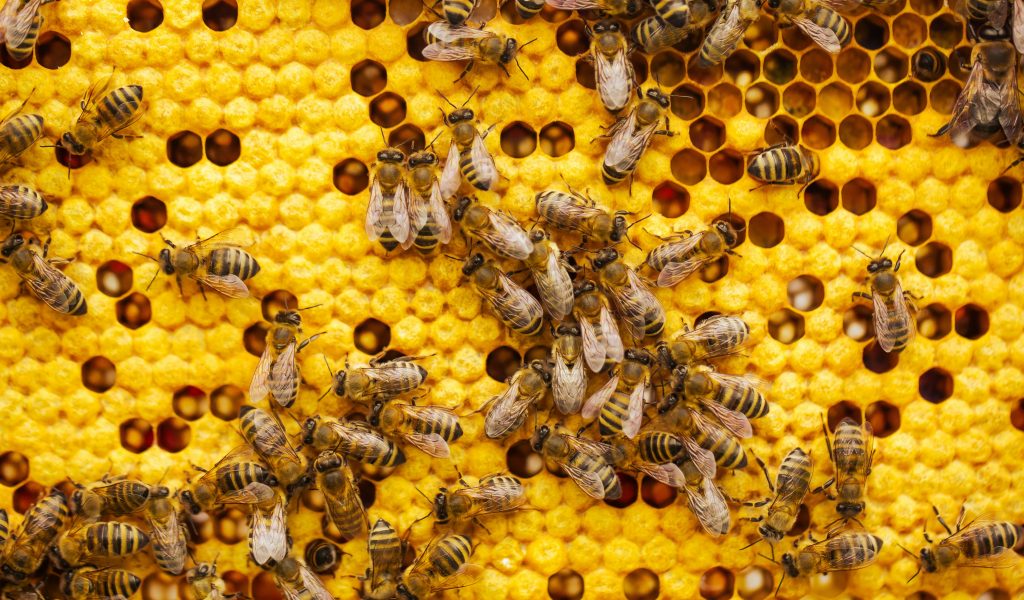
Plan to inspect colonies regularly during the active season. You must recognize eggs, brood, food stores, swarm signals, queen problems, and disease symptoms. Varroa mites deserve particular attention. Penn State’s seasonal honey bee management guide explains that colony work changes throughout the year and includes monitoring mites, managing space, preparing for winter, and checking food reserves.
Stings will happen despite careful handling. Anyone with a known severe allergy should discuss risk and emergency planning with a medical professional before keeping bees. You also need the strength or assistance to lift boxes that may become heavy with honey.
How to Start Without Becoming Overwhelmed
Join a local bee club and take a beginner course before buying equipment. Regional mentors can recommend suitable hive styles, bee sources, mite-control options, and winter stores for your climate.
Many educators suggest starting with two colonies when space and budget allow. Comparing them makes abnormal brood, weak growth, or poor queen performance easier to spot. Order healthy bees from a reputable regional supplier, use standardized equipment, and have every essential tool ready before pickup day.
Choose a site with morning sun, good drainage, vehicle or cart access, and a dependable water source. Then create a written first-year plan covering inspections, mite tests, swarm control, feeding criteria, and winter preparation.
Helpful Beekeeping Gear for Beginners
The right equipment can make your first hive inspections safer and less stressful. Before buying, check clothing sizes, hive compatibility, and exactly what each product includes.
1. Mann Lake 10-Frame Deep Hive Kit
A fully assembled deep box with ten frames and coated foundations. It works as a brood box or matching expansion equipment, though it is not a complete hive by itself.
2. Humble Bee 410 Polycotton Beekeeping Suit
Full-body coverage, a removable round veil, elastic closures, and sturdy zippers make this a practical protective layer. Use the manufacturer’s chart to select the right size.
3. Foxhound Bee Company Pro Smoker
Its large chamber, heat shield, and airflow features suit routine hive inspections. Learn to produce cool, light smoke because excessive or hot smoke can distress bees.
4. POLLIBEE 22-Piece Beekeeping Tool Kit
This set includes a smoker, gloves, hive tools, frame-handling tools, a bee brush, and uncapping equipment. It provides many of the basic tools a new beekeeper may need.
5. Beekeeping For Dummies, 5th Edition
This beginner-friendly reference covers colony biology, hive setup, routine maintenance, and honey harvesting. Pair it with current local advice because pest pressures and approved treatments can change.
Conclusion
Backyard beekeeping can improve pollination, yield useful hive products, deepen your knowledge of the land, and add another productive system to a small property. Its greatest benefit may be the way it connects garden decisions, weather, forage, and animal care. Start with education rather than equipment. If your location, health, schedule, and budget can support responsible colony care, bees can become one of the most absorbing—and genuinely useful—parts of your homestead.
FAQs
How much space do I need for backyard beekeeping?
A hive occupies only a few square feet, but safe management needs more room. Leave working space behind it, keep the entrance away from traffic, and provide a clear flight path. Local setback rules may determine whether your yard qualifies.
How many beehives are best for a first-time beekeeper?
Two colonies make comparison and troubleshooting easier, but they also double equipment costs and much of the work. One well-supported colony is more sensible if budget, lifting ability, or space is limited.
Will a hive guarantee a larger garden harvest?
No. Bees may improve pollination in suitable crops, but fruit set also depends on weather, plant health, compatible varieties, and other pollinators. Diverse flowers and responsible pesticide use matter too.
How much time does beekeeping take?
Expect regular inspections during spring and summer, plus time for preparation, recordkeeping, mite checks, repairs, feeding when justified, and harvest. The workload varies sharply by season and colony condition.
Can I keep bees if my neighbors are close?
Possibly, if local rules permit it. Use a barrier to raise flight paths, provide water so bees do not visit neighboring pools, choose gentle stock, prevent swarms, and speak with neighbors before the hive arrives.