Everything You Need To Know About Apple Picking
We may earn a commission for purchases made using our links. Please see our disclosure to learn more.
Apple picking is one of those timeless traditions that blends practicality with seasonal joy. For homesteaders, it becomes even more meaningful because each harvest supports self-sufficiency, food storage, and long-term preservation. When you understand the right timing, tools, techniques, and science behind apple picking, your results improve dramatically. This guide breaks down everything you need to know about apple picking, from orchard basics to storage strategies, with a clear focus on helping homesteaders get the most from every harvest.
Why Apple Picking Still Matters for Homesteaders
Apple picking has remained important for generations because it delivers value far beyond fresh fruit. Homesteaders know that apples are one of the most versatile crops available. You can use them for fresh eating, baking, cider, vinegar, livestock feed, compost enrichment, and long-term food storage. Each part of the apple can serve a purpose, which reduces waste on the homestead and supports a sustainable lifestyle.
Store-bought apples often sit in cold storage for months. These apples usually lose moisture, crispness, and flavor long before they arrive in your kitchen. When you pick apples directly from the tree, you control freshness from the start. You also gain confidence in the fruit’s quality because it hasn’t been waxed, overly processed, or handled multiple times before reaching you.
Fresh-picked apples are richer in nutrients and more aromatic. They store longer because they haven’t been bruised during transport. For homesteaders trying to stretch their harvest well into winter, quality matters. A well-picked batch can last months with the right storage approach.
When Is the Best Time for Apple Picking?
While most people associate apple picking with crisp fall weather, the real timing depends on the apple variety and your growing zone. Early-season apples ripen in late summer, while storage varieties come ready in mid to late fall. Instead of relying solely on the calendar, use these indicators to know whether apples are ready to harvest.
First, test the firmness. Apples should feel firm but not overly hard. A soft apple may be overripe.
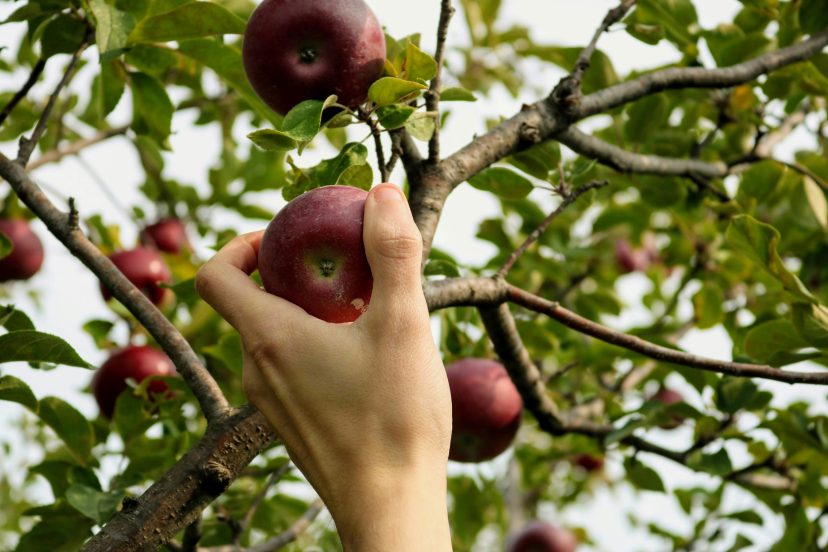
Second, check the stem. Ripe apples separate easily when twisted upward. The apple should come off easily without any force.
Third, look at the seeds. Mature apples have brown seeds, not white ones.
Fourth, trust the aroma. Ripe apples release a noticeable fruity scent.
Each orchard has its own rhythm, and once you pick from the same trees for a year or two, you’ll know their patterns naturally. Homesteaders often keep notes on ripening windows, especially when managing multiple varieties. This habit helps predict future harvest times and allows you to plan preservation work ahead of time.
How to Choose the Right Apples
With hundreds of varieties available, choosing the right apples depends on your goals. Some apples excel in pies, others shine as fresh snacks, and a few varieties hold flavor for months when stored correctly. Understanding which apples serve which roles helps you plan your harvest and reduce waste.
Honeycrisp, Gala, Fuji, and Pink Lady are commonly selected for their excellent fresh-eating qualities. These apples are known for their crunch, which makes them great for everyday snacking.
Baking apples deliver structure when heated. Varieties like Granny Smith, Braeburn, and Jonagold stay firm in pies and sauces.
Cider apples balance sweetness, tartness, and depth. McIntosh, Cortland, and Winesap are well-known cider choices.
Long-storage apples such as Fuji, Arkansas Black, and Northern Spy keep well for months in cool conditions.
If you grow your own orchard, consider planting a mix of fresh, baking, and storage apples. This approach spreads out your harvest season and ensures you always have apples suited for different uses. For homesteaders aiming for food independence, variety selection can be as important as soil health.
Apple Picking Tools That Make the Job Easier
While you can hand-pick apples, a few tools can dramatically improve your speed and efficiency. They also help you protect the fruit from bruising, which matters when storing apples long-term.
- Telescoping apple pickers allow you to reach high branches without climbing.
- Orchard ladders offer stability on uneven ground.
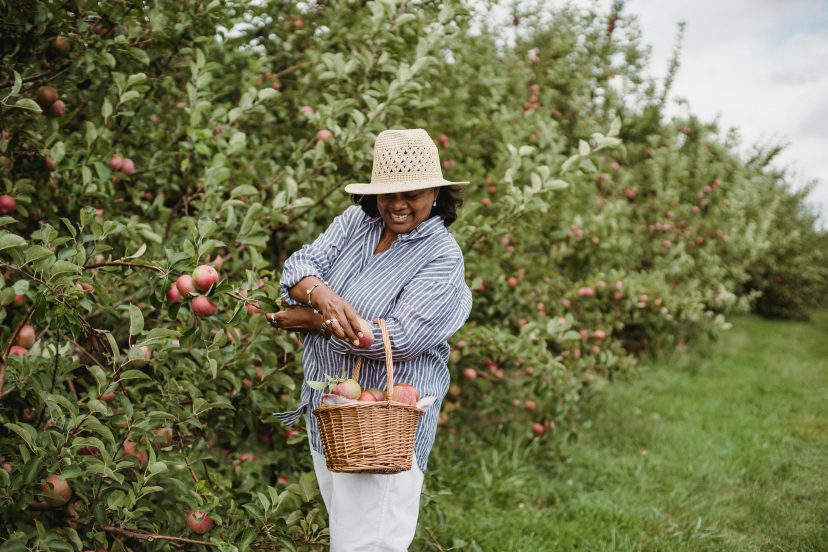
- Canvas picking bags keep apples cushioned and free from bruises.
- Ventilated picking crates help keep apples cool and dry.
- Protective gloves prevent scratches during a long harvest day.
Working with the right tools reduces strain on your back and arms and helps ensure that more of your apples remain in excellent condition for winter storage.
From Orchard to Homestead: Handling Apples Properly
How you handle apples after picking affects their quality more than you might expect. Apples bruise easily, and even a small bruise can shorten storage life. Handle apples gently and place them into baskets instead of dropping them.
- Sort your apples into categories immediately.
- Perfect apples should go into long-term storage.
- Slightly blemished apples should be used within a week or two.
- Damaged apples should be set aside for sauce, cider, vinegar, dehydrating, or animal feed.
This simple sorting process prevents one soft apple from spoiling an entire batch. It takes only a few minutes but can save you hours of work and frustration later.
If you want to expand your orchard or improve your long-term garden planning, read our guide on homestead garden basics.
Storing Apples for Long-Term Use
Proper storage conditions can extend your apple supply well into the winter months. Long-term storage apples thrive under specific temperature and humidity levels, so recreating these conditions is essential.
Temperature: Apples store best between 30°F and 40°F.
Humidity: A high humidity environment prevents apples from shriveling.
Airflow: Apples need ventilation to avoid moisture buildup.
Light: Store apples in the dark to slow ripening.
Many homesteaders use root cellars, cool basements, or spare refrigerators to store apples. Store apples in single layers when possible, or wrap each apple individually in paper to prevent them from touching.
Check storage apples weekly. Remove any fruit showing softness or spots. One spoiled apple can release ethylene gas, which speeds up ripening for the entire batch. A quick weekly inspection protects months of effort.

The Benefits of Fresh Apple Harvesting
When homesteaders talk about careful apple picking, they’re often thinking about flavor, freshness, and storage life. Interestingly, research shows that how you pick apples matters too, not just when you pick them.
One study published in Biosystems Engineering looked at how different picking patterns and sequences affect the way apples on the same branch move during harvest. The researchers found that certain picking techniques caused less vibration and movement in the apples nearby. Too much vibration can bruise fruit before it even hits the bucket, which shortens storage life and lowers quality. When apples stay steady during picking, they’re less likely to get damaged, which helps them stay fresher longer after harvest.
Another piece of research examined apple-picking robots operating in real orchard conditions. While this work focuses on machine control and automation, its core message supports the same idea: the gentler and more precise the picking action, the less stress the apple experiences during harvest. Improved control methods allow robots to grasp and detach fruit with fewer abrupt forces, reducing the chances of bruising. Even though this study is about advanced systems, the lesson applies to manual harvesters too — careful handling keeps apples in better shape.
Both studies don’t measure nutrients directly, but they do highlight an important truth: apples that are handled gently during harvest are more likely to retain quality, firmness, and storage potential. This fits with what homesteaders observe in practice — thoughtful picking leads to better fruit for eating, storing, and preserving.
Common Apple Picking Mistakes to Avoid
Even experienced homesteaders run into common mistakes during apple season. Avoiding these errors improves your harvest quality and reduces losses.
Pulling instead of twisting: Pulling damages the spur, which affects next year’s fruit production.
Overfilling baskets: Apples bruise under pressure. Use several smaller containers instead of one large one.
Mixing damaged apples with perfect ones: A single bad apple can shorten the storage life of an entire crate.
Skipping weekly storage checks: Even one overlooked soft apple accelerates ripening across the batch.
Picking too early: Early-picked apples lack full flavor and often do not store well.
Small habits protect your harvest far more than complicated techniques. Consistency matters.
Conclusion
Apple picking remains one of the most practical and rewarding skills for homesteaders. When you choose the right varieties, pick at the proper time, and handle each apple with care, you preserve more of the fruit’s quality and extend its storage life. Research also shows that gentle picking methods reduce bruising and maintain freshness, whether the work is done by hand or by advanced harvesting tools. With the right approach, your apple harvest can support fresh eating, long-term storage, and a wide range of homestead projects throughout the season.
FAQs
1. When is the ideal time to harvest apples?
The ideal month depends on variety and climate. Most apples ripen between August and October.
2. Is it necessary to wash apples prior to putting them in storage?
No. Wash apples only before eating or processing. Washing them before storage reduces shelf life.
3. How can I tell if an apple is ripe?
Twist the apple gently. If it comes off easily and has brown seeds inside, it is ready to pick.
4. Can I store apples in a refrigerator?
Yes. A refrigerator provides the cool, humid conditions apples need for long-term storage.
5. Which apple varieties last the longest?
Fuji, Arkansas Black, and Northern Spy are excellent long-term storage apples.