Best Chicken Feed for Backyard Chickens
We may earn a commission for purchases made using our links. Please see our disclosure to learn more.
If you’re raising chickens at home, choosing the right chicken feed is one of the smartest decisions you’ll ever make for your flock. Good nutrition doesn’t just keep your birds healthy—it directly affects egg production, feather quality, behavior, and even the taste of your morning omelet. With so many options available, it’s natural to wonder what truly counts as “the best chicken feed for backyard chickens.” Today, we’ll walk through the essential features to look for and explore the top feeds trusted by homesteaders across the country.
Why Nutrition Matters: Insights From Poultry Studies
Feeding backyard chickens isn’t guesswork—it’s a science-backed process that directly shapes egg production, shell strength, and your flock’s overall vitality. When you understand what research says about chicken nutrition, choosing the right feed becomes a whole lot easier.
A few insightful findings include:
- A Poultry Nutrition Review shows that hens receiving adequate calcium experience a 30–40% reduction in shell defects, underscoring how essential calcium-rich layer feed is for consistent, high-quality eggs.
- Research published in the Journal of Applied Poultry Research found that hens fed higher balanced protein diets maintained stronger egg production and better egg quality than those given lower protein rations. Protein isn’t just fuel—it’s the building block of every egg your hen lays.
- A comprehensive study on poultry gut health revealed that probiotic supplementation improves digestion, stabilizes the gut microbiome, and enhances overall production performance. Birds with healthy gut flora tend to absorb nutrients more efficiently and cope with stress more effectively.
Reliable feeding choices create healthier chickens—and healthier chickens produce better eggs. When your feed supports bones, feathers, digestion, and daily energy needs, your flock thrives from the inside out.
What to Look for When Choosing Chicken Feed
Finding the perfect feed starts with knowing what chickens actually need. Even though backyard hens look simple, their nutritional needs are surprisingly specific.
Protein Levels Matter
Layers generally require 16–18% protein to maintain strong egg production. Research published in the Journal of Applied Poultry Research notes that hens fed a balanced protein diet lay more consistently and maintain body condition better throughout the year.
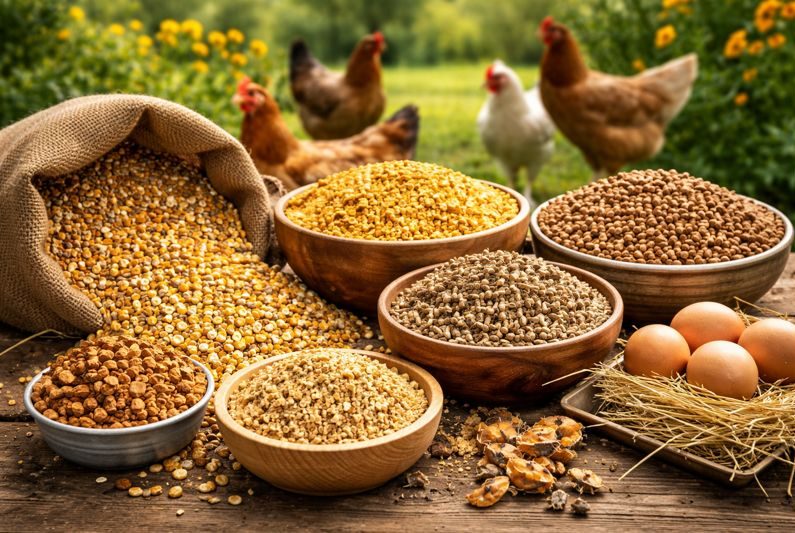
Pellets, Crumbles, or Whole Grains?
- Pellets reduce waste and encourage steady eating.
- Crumbles work well for picky eaters.
- Whole grains mimic natural foraging but require extra grit.
Organic vs. Conventional
Organic feeds avoid GMOs and synthetic pesticides—something many homesteaders prefer for long-term flock health.
Added Nutrients and Probiotics
A study from Poultry Science found that probiotics can improve gut health and feed efficiency, supporting better digestion and stronger eggshell formation.
The 10 Best Chicken Feed Products
Below is a curated breakdown of each feed you provided—written naturally, conversationally, and with commercial clarity.
1. Purina Premium Poultry Layena Crumbles
Purina Layena is a favorite among backyard flock owners for a reason. This feed delivers ideal nutrition for layers, including calcium for strong shells and balanced protein for consistent egg production. Birds tend to love the crumble texture, especially if they’re picky eaters. If you want a dependable, high-quality feed, this is a strong starting point.
2. Country Organics Organic Corn-Free Layer Feed
This organic, corn-free blend is perfect for chickens with sensitive digestion or keepers who want to avoid corn entirely. The feed includes high-quality grains and plant-based protein sources, giving hens the nourishment they need without common filler ingredients. Many homesteaders choose it for its clean, simple ingredient list and excellent egg-laying support.
3. Manna Pro Gamebird/Showbird Feed (20% Protein)
Although designed for gamebirds, this 20% protein feed works beautifully for chickens needing an extra boost—such as during molting or cold weather. The higher protein content helps maintain muscle condition and feather quality. A great option when your flock needs more nutrition than standard layer rations provide.
4. CountryMax Layer Pellet Chicken Feed
CountryMax pellets offer reliable, no-nonsense nutrition in a form that minimizes waste. Pellets are especially helpful if your birds tend to scatter food around the coop. The formula helps maintain egg production and supports healthy metabolism, making it practical for everyday feeding.
5. Manna Pro Ultimate Chicken Feed
This premium blend lives up to its name. It combines grains, oils, and nutrients to give chickens a balanced, full-spectrum diet. It’s especially useful for flocks that need consistent performance through seasonal changes. Owners who want a “set it and forget it” daily feed often appreciate this option.
6. WORMSKING Black Soldier Fly Larvae Calcium Treats
These treats aren’t a complete feed, but they’re one of the best supplements you can add to your chickens’ diet. Packed with protein and natural calcium, black soldier fly larvae promote strong shells, shiny feathers, and energetic behavior. Birds absolutely love them, and they’re healthier than mealworms due to a superior nutrient profile.
7. Manna Pro Gamebirds Probiotics Digestive Supplement
This supplement is a powerful support tool for flock health. With probiotics and digestive enzymes, it promotes gut balance and improves nutrient absorption. Studies show probiotics can reduce digestive stress and enhance immunity in poultry, making this a worthwhile add-on for younger or recovering birds.
8. Prairie’s Choice Non-GMO Backyard Chicken Feed
If you’re committed to GMO-free feeding, Prairie’s Choice offers a straightforward, wholesome solution. The blend contains quality grains and balanced nutrients that support healthy egg output. Many keepers notice improvements in feather condition and overall flock energy after switching.
9. Pecking Order Mealworm Sprinkles
Think of this as a reward that doubles as a nutritional bonus. Mealworms bring protein, while sunflower hearts contribute healthy fats. This blend is perfect for training, bonding, or simply keeping your birds entertained. Just remember to offer treats in moderation so they don’t replace balanced feed.
10. Manna Pro Harvest Delight Poultry Feed
Part feed, part enrichment, Harvest Delight includes grains, vegetables, and natural goodies that encourage natural foraging. It’s excellent for boosting flock engagement and providing variety. While not a stand-alone feed, it’s a wonderful supplemental mix that supports nutritional diversity.
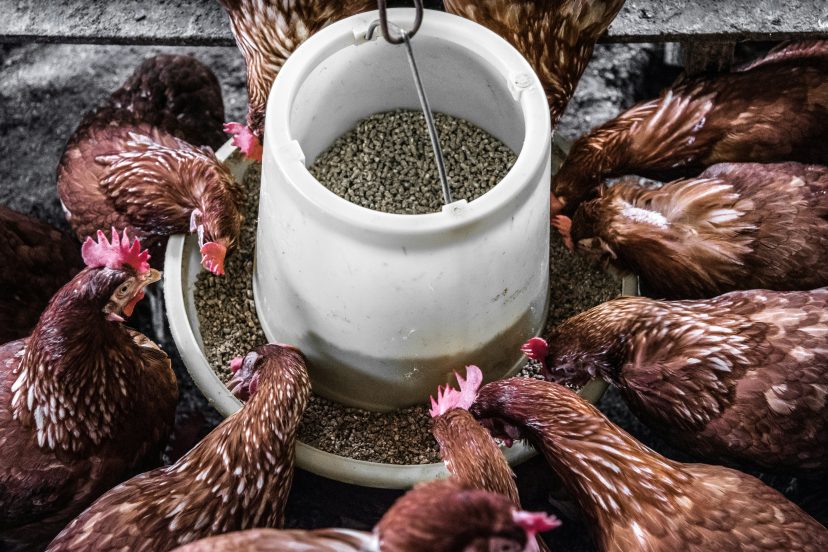
Treats vs. Feed: What Your Chickens Really Need
Treats such as soldier fly larvae or mealworm mixes should make up no more than 10% of the diet. Their purpose is enrichment—not daily nutrition. Balanced feed remains the foundation of flock health, while supplements fill specific nutritional gaps.
If you love all things homestead and want more ways to support your flock, check out these inspiring farmstand ideas.
Conclusion
Choosing the best chicken feed for backyard chickens doesn’t have to be overwhelming. When you understand what your flock needs—and choose high-quality feed options—you’ll see the results in their health, behavior, and egg basket. With the 10 products listed above, you’re well-equipped to support a thriving, productive flock all year long.
FAQs
1. How much feed does a chicken need per day?
Most hens eat about 1/4 pound of feed daily, depending on age, breed, and activity level.
2. Can I mix different chicken feeds together?
Yes, as long as they have similar nutrient profiles. Avoid mixing layer feed with broiler or chick starter.
3. Are organic feeds worth it?
They are beneficial if you prefer pesticide-free ingredients or want a cleaner, more natural approach to nutrition.
4. What protein percentage is best for layers?
Aim for 16–18% protein for standard laying hens.
5. Can chickens have treats every day?
Yes, but in moderation. Treats should stay under 10% of overall intake to avoid nutritional imbalance.