12 Basic Homesteading Skills You Should Learn Right Now
We may earn a commission for purchases made using our links. Please see our disclosure to learn more.
Basic homesteading skills come down to one simple idea: learning how to handle more of everyday life on your own. That might look like growing a bit of food, cooking real meals, fixing small things around the house, or just wasting less. Below, you’ll find the most useful basic homesteading skills to focus on first, along with why they matter and how to start building them without burning out or trying to do everything at once.
Why Self-Sufficiency Starts With Simple Skills
Self-sufficiency doesn’t begin with big projects or major lifestyle changes. It starts with small, everyday skills you can actually use. Things like growing a few vegetables, cooking meals from scratch, fixing minor problems, or preserving food you already buy.
Simple skills build confidence fast. When you know how to handle basic needs on your own, you rely less on outside systems. That doesn’t mean cutting yourself off—it just means you have options. If something breaks, costs go up, or plans change, you’re not stuck.
These basic homesteading skills also stack. Learning to cook leads naturally to better meal planning. Gardening makes food preservation useful. Fixing small things around the house saves money that can go toward tools or supplies later. One skill makes the next easier.
That’s why self-sufficiency works best when it grows slowly. Master the basics first, use them often, and let progress build naturally over time.
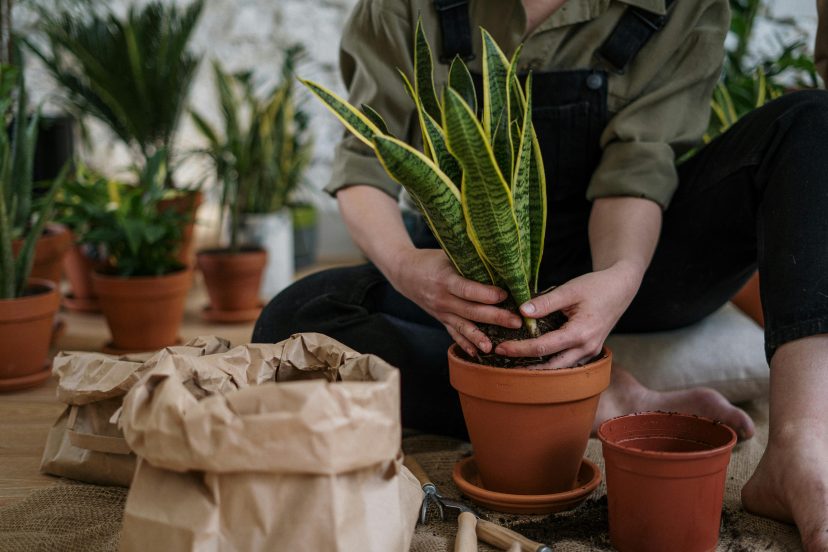
1. Gardening
If homesteading had a foundation, this would be it.
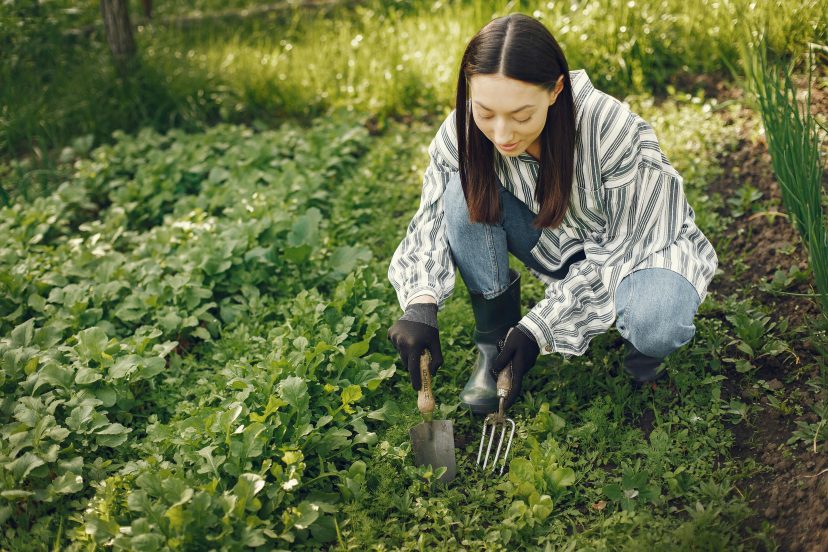
Growing your own vegetables teaches patience, observation, and timing. Even a small garden—containers, raised beds, or a backyard plot—can produce herbs, greens, tomatoes, and root crops.
Over time, you’ll learn:
- Soil health and composting
- Crop rotation
- Seed saving
- Seasonal planting
Composting kitchen scraps and manure closes the loop. Waste turns into fertilizer. Food becomes circular, not disposable.
2. Food Preservation
Gardens don’t feed you once—they feed you all year if you preserve correctly.
Canning, dehydrating, and freezing allow you to store food safely while keeping nutrition intact. Pressure canning handles low-acid foods, while water-bath canning works for fruits and jams.
This skill alone can cut grocery bills dramatically.
3. Cooking From Scratch
Homesteading truly lives in the kitchen.
Cooking from scratch replaces packaged food with real ingredients. Bread baking, broth making, and cast-iron cooking turn simple staples into nourishing meals.
Skills worth mastering:
- Sourdough bread
- Homemade stocks
- Cooking beans and grains
- Preserving fats and oils
Once you control your food, everything else becomes easier.
4. Raising Chickens and Small Livestock
Chickens are often the first animals people raise—and for good reason.
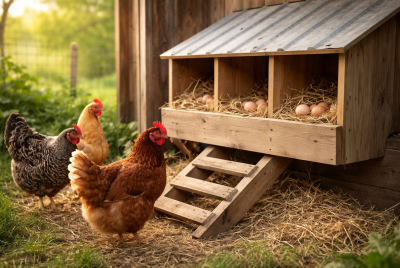
They provide eggs, pest control, compost material, and sometimes meat. Rabbits offer fast protein with minimal space.
Learning animal care also builds responsibility and routine. If you’re just starting, understanding proper nutrition is essential. This guide to quality poultry nutrition fits naturally into that learning curve.
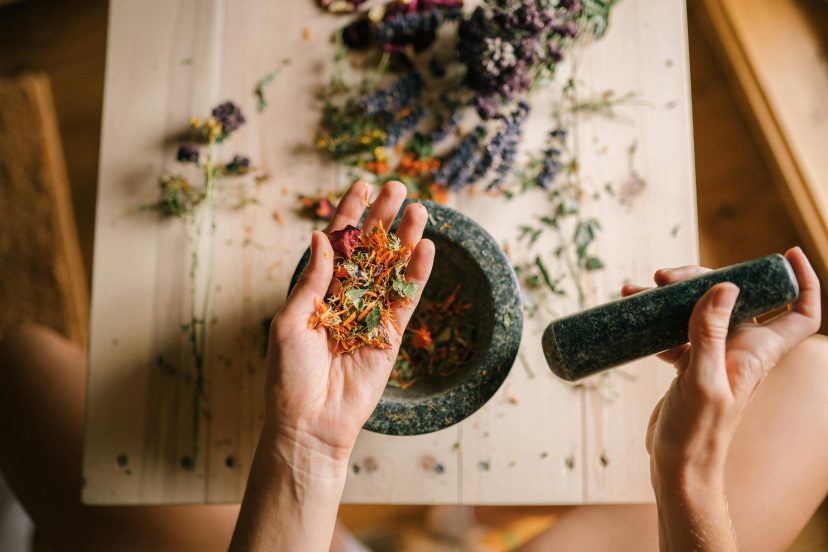
5. Foraging and Herbal Know-How
Foraging teaches you to see your environment differently.
Dandelion, plantain, elderberry, and yarrow grow wild in many regions. Learning what’s edible or medicinal connects you to traditional knowledge that predates grocery stores.
Start slow. Use trusted field guides. Never guess.
6. Basic Carpentry and Tool Skills
You don’t need to be a master builder—but you do need confidence with tools.
Basic carpentry lets you:
- Repair fencing
- Build raised beds
- Fix shelves and coops
- Maintain structures
Tool maintenance matters just as much. Sharp tools are safer, faster, and last longer.
7. Water Management and Purification
Water is non-negotiable.
Rainwater harvesting, filtration, and purification methods prepare you for emergencies and reduce dependency. Even learning simple gravity filters or boiling techniques adds security.
Clean water keeps both people and animals healthy.
8. Sewing and Clothing Repair
Fast fashion disappears quickly on a homestead.
Knowing how to mend clothing extends its life and reduces waste. Button repairs, patching, and seam fixes are simple skills that save money immediately.
Plus, handmade items carry value far beyond their cost.
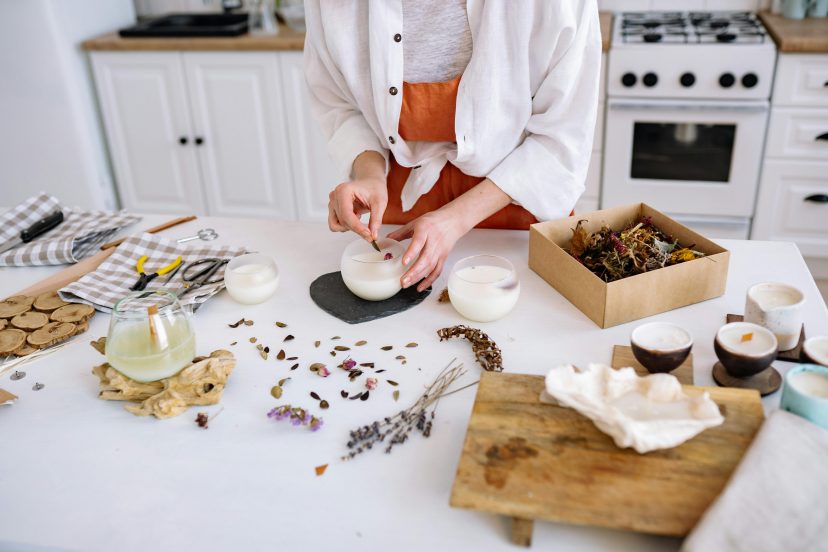
9. Soap and Candle Making
Once you make your own soap, you’ll never look at store-bought the same way.
Simple recipes use fats, oils, and lye to create long-lasting soap. Candle making provides light and warmth during outages.
These skills also reduce chemical exposure in your home.
10. Home Heating Basics
If you rely on wood heat—or plan to—fire skills are essential.
That includes:
- Cutting and splitting wood
- Proper stacking and drying
- Safe stove operation
Fire management isn’t just survival—it’s comfort when done right.
11. First Aid and Self-Reliance
Homesteaders prepare because help may not be close.
Basic first aid, CPR awareness, and emergency planning matter more when you’re independent. Knowing how to treat cuts, burns, and minor injuries builds peace of mind.
12. Financial Skills
Homesteading succeeds or fails on budgeting.
Tracking expenses, bartering, and prioritizing long-term savings matter more than quick wins. Many successful homesteaders grow slowly by reinvesting savings into tools and land.
Recommended Tools
Here are five practical tools many new homesteaders rely on:
- Pressure Canner (All-American or Presto) – Essential for safe food storage
- Cast Iron Dutch Oven – One tool, endless meals
- Seed Starter Trays with Grow Lights – Extend your growing season
- Manual Grain Mill – Control flour quality and freshness
- Water Filtration System – Clean water anywhere
These aren’t gimmicks. They’re workhorses.
How Gardening Supports Mental Well-Being
Gardening doesn’t just feed you—it changes how your days feel.
A recent large-scale review on the mental health benefits of gardening found that people who garden regularly report lower stress, better mood, and a stronger sense of routine. Even small gardens made a difference. The key factor wasn’t productivity. It was consistency—showing up, tending plants, and spending time outdoors.
For homesteaders, this explains why gardening often feels grounding. It adds structure to the day, encourages patience, and shifts your focus from constant urgency to steady progress. Over time, that rhythm can make everyday life feel calmer and more manageable.

Why Practical Food Skills Lead to Less Waste
Food waste usually isn’t about carelessness—it’s about poor systems.
A well-known review on household food waste and everyday habits found that most waste comes from overbuying, poor storage, unclear planning, and forgotten leftovers. The study showed that households reduce waste when they have simple routines and better awareness of what they already own.
Basic homesteading skills naturally build those habits. Preserving food, cooking from scratch, and planning meals around what’s on hand make waste harder to ignore. You know what’s in your pantry. You use leftovers with intention. Food stops being disposable because effort is attached to it.
How to Get Started Without Feeling Overwhelmed
The biggest mistake new homesteaders make is trying to learn everything at once. That usually leads to burnout, not progress.
Instead, start where daily life already happens—your kitchen or your garden. Learn one skill and give yourself time to get comfortable with it. Maybe that means cooking a few meals from scratch each week, baking your first loaf of bread, or growing a small batch of herbs or vegetables.
Once one skill feels familiar, adding the next becomes easier. Confidence builds quickly when you see real results, even small ones. That momentum matters more than doing things perfectly.
Homesteading isn’t about mastering everything overnight. It’s about steady improvement. Small steps, repeated often, will take you much further than trying to do it all at once.
Conclusion
Homesteading isn’t about doing everything perfectly or all at once. It’s about learning a few useful skills and using them consistently. When you grow some of your food, cook more from scratch, and take better care of what you already have, everyday life gets simpler and more manageable. Start small, build one skill at a time, and let confidence grow naturally. Over time, those basic homesteading skills add up to something bigger—a home that runs better, wastes less, and relies more on you than on outside systems.
FAQs
What skills does a homemaker need today?
Modern homemakers benefit from cooking, budgeting, food preservation, basic repairs, and household management skills.
What are some basic homesteading skills to learn at home?
Gardening, sewing, cooking from scratch, canning, and basic tool use are all learnable at home.
How to be a modern homesteader?
Start where you are, focus on sustainability, and blend traditional skills with modern efficiency.
What are some examples of homesteading?
Raising chickens, growing vegetables, preserving food, making soap, and bartering locally.
Which farm products bring in the highest profits?
High-value crops like herbs, microgreens, eggs, and specialty produce often offer the best returns.