Top 10 Compost Toilet
We may earn a commission for purchases made using our links. Please see our disclosure to learn more.
A good compost toilet can solve one of the least glamorous—but most important—problems in off-grid living: what to do when conventional plumbing, sewer access, or a septic system simply isn’t practical.
Today’s waterless toilets are much more refined than the basic bucket-style systems many people picture. Depending on the model, you can get urine separation, powered ventilation, electric agitation, compact portable construction, and comfortable residential-style seating.
We compared well-known options suited to homesteads, cabins, RVs, campervans, boats, and emergency setups. Here are the 10 models worth considering.
Our Top Picks
| Product | Best For | Key Feature | Rating |
| Nature’s Head Composting Toilet | Best Overall | Manual agitator and proven design | ★★★★★ |
| Separett Villa 9215 | Off-Grid Cabins | High-capacity urine-diverting system | ★★★★★ |
| Trelino Evo L | Comfort | Full-height portable design | ★★★★⯪ |
| Trelino Evo M | Campervans | Balance of size and capacity | ★★★★⯪ |
| Trelino Evo S | Small Spaces | Lightweight compact construction | ★★★★⯪ |
| TROBOLO WandaGO | Road Trips | Adjustable-height design | ★★★★⯪ |
| TROBOLO WandaGO Lite | Lightweight Travel | Simple portable separation system | ★★★★★ |
| BOXIO Toilet | Budget-Friendly Travel | Stackable Eurobox-style format | ★★★★⯪ |
| CompoCloset Cuddy Lite | Premium Portable | Waste separation with modern design | ★★★★★ |
| Separett Tiny | Tiny Homes | Household-style seat and ventilation | ★★★★★ |
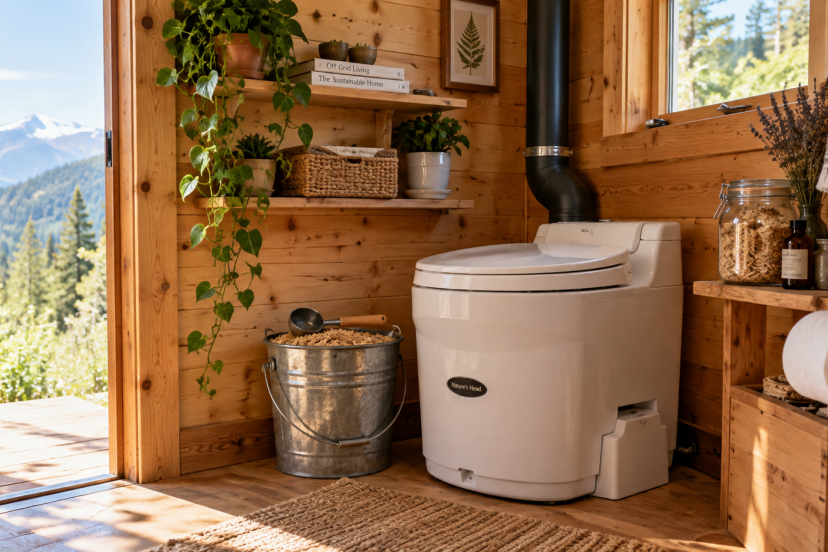
1. Nature’s Head Composting Toilet

The Nature’s Head Composting Toilet is a well-established option for RVs, boats, cabins, and off-grid homes. Its urine-diverting design separates liquid from solid waste, while the manual spider-handle agitator mixes the solids with a composting medium.
It requires a vent installation and takes up more space than compact travel toilets. For buyers planning regular or full-time use, however, its durable construction and straightforward maintenance are major advantages.
Key features: Urine-diverting design, manual spider-handle agitator, ventilated solids chamber, molded construction
Best for: Full-time RVers, boat owners, cabins, and off-grid homes
Pros: Proven design; manual agitation; separate liquid container; durable construction
Cons: Bulky footprint; premium price; requires vent installation
Why we recommend it: It combines proven waste separation, simple manual operation, and dependable construction for long-term use.
2. Separett Villa 9215
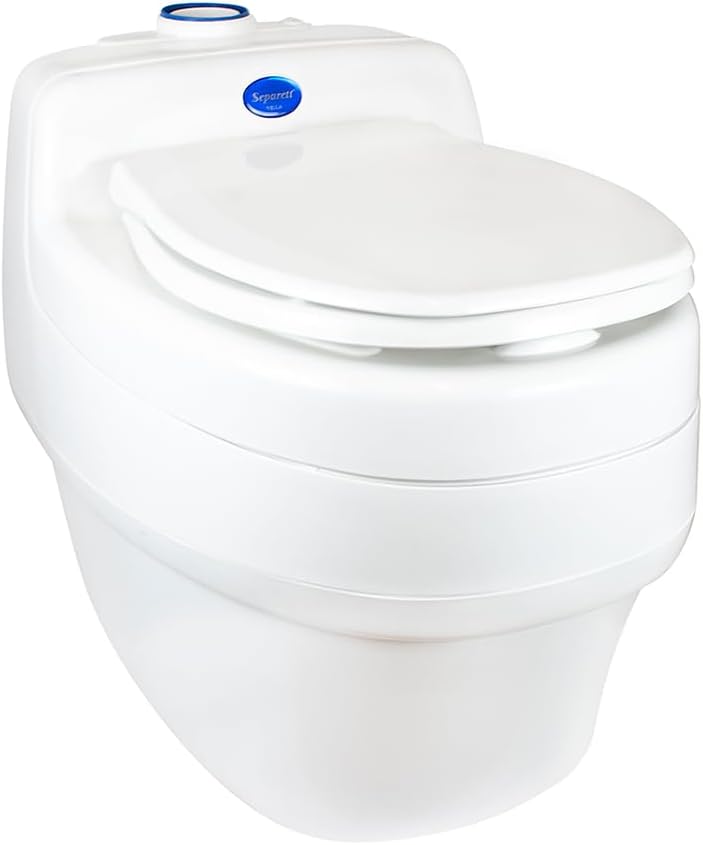
The Separett Villa 9215 is designed for more permanent installations in cabins, tiny homes, and off-grid properties. It diverts urine through a drain line while collecting solid waste in a separate container.
Installation requires more planning because both drainage and powered ventilation need to be accommodated. Once installed, though, the residential-style design provides greater capacity and comfort than most portable systems.
Key features: Urine diversion, powered ventilation, solids container, privacy screen, drain connection
Best for: Permanent cabins, tiny homes, and off-grid bathrooms
Pros: Household-style comfort; strong ventilation; large solids capacity; no small urine bottle
Cons: Requires drainage; requires ventilation installation; not portable
Why we recommend it: It provides a more permanent, comfortable solution for off-grid bathrooms where portability is not a priority.
3. Trelino Evo L Composting Toilet

The Trelino Evo L offers a larger, more comfortable alternative to compact portable separating toilets. Its taller body provides a more conventional seating height while removable liquid and solid containers simplify waste disposal.
The larger dimensions require more floor space than the Evo M or Evo S. RV owners and tiny-home users who prioritize comfort, however, may find the extra size worthwhile.
Key features: Large liquid container, solids container, urine separation, full-height seat, lightweight body
Best for: RVs, larger campervans, and off-grid cabins
Pros: Comfortable seating height; waterless operation; removable containers; modern appearance
Cons: Larger footprint; no built-in agitator; less portable than smaller models
Why we recommend it: It delivers the simplicity of a portable separating toilet with noticeably better comfort and capacity.
4. Trelino Evo M Composting Toilet

The Trelino Evo M balances portability and usable capacity for campervans and smaller RV bathrooms. It uses separate containers for liquid and solid waste and operates without water, chemicals, or conventional plumbing.
Its containers are smaller than those in the Evo L, so frequent users may need to empty them more often. For compact living spaces, though, its moderate footprint makes installation easier.
Key features: Medium-size housing, urine separator, removable containers, waterless operation
Best for: Campervans and compact RV bathrooms
Pros: Good balance of size and capacity; easy maintenance; no plumbing required; portable design
Cons: Less capacity than Evo L; regular emptying required; no active ventilation
Why we recommend it: It offers enough capacity for regular travel without occupying the floor space of a full-size compost toilet.
5. Trelino Evo S Composting Toilet

The Trelino Evo S is built for tight spaces where a conventional portable toilet may still feel too bulky. Its compact housing separates liquids and solids while remaining light enough to move between vehicles, campsites, and storage areas.
The smaller body naturally limits both seating height and waste capacity. Van travelers and occasional campers, however, benefit from a toilet that can fit where larger models cannot.
Key features: Compact footprint, lightweight construction, urine separation, removable waste containers
Best for: Small vans, SUVs, camping, and emergency use
Pros: Highly portable; easy to store; no electricity required; simple cleaning
Cons: Small waste capacity; lower seating position; less comfortable for extended use
Why we recommend it: It provides effective waste separation in one of the most space-efficient formats in the roundup.
6. TROBOLO WandaGO
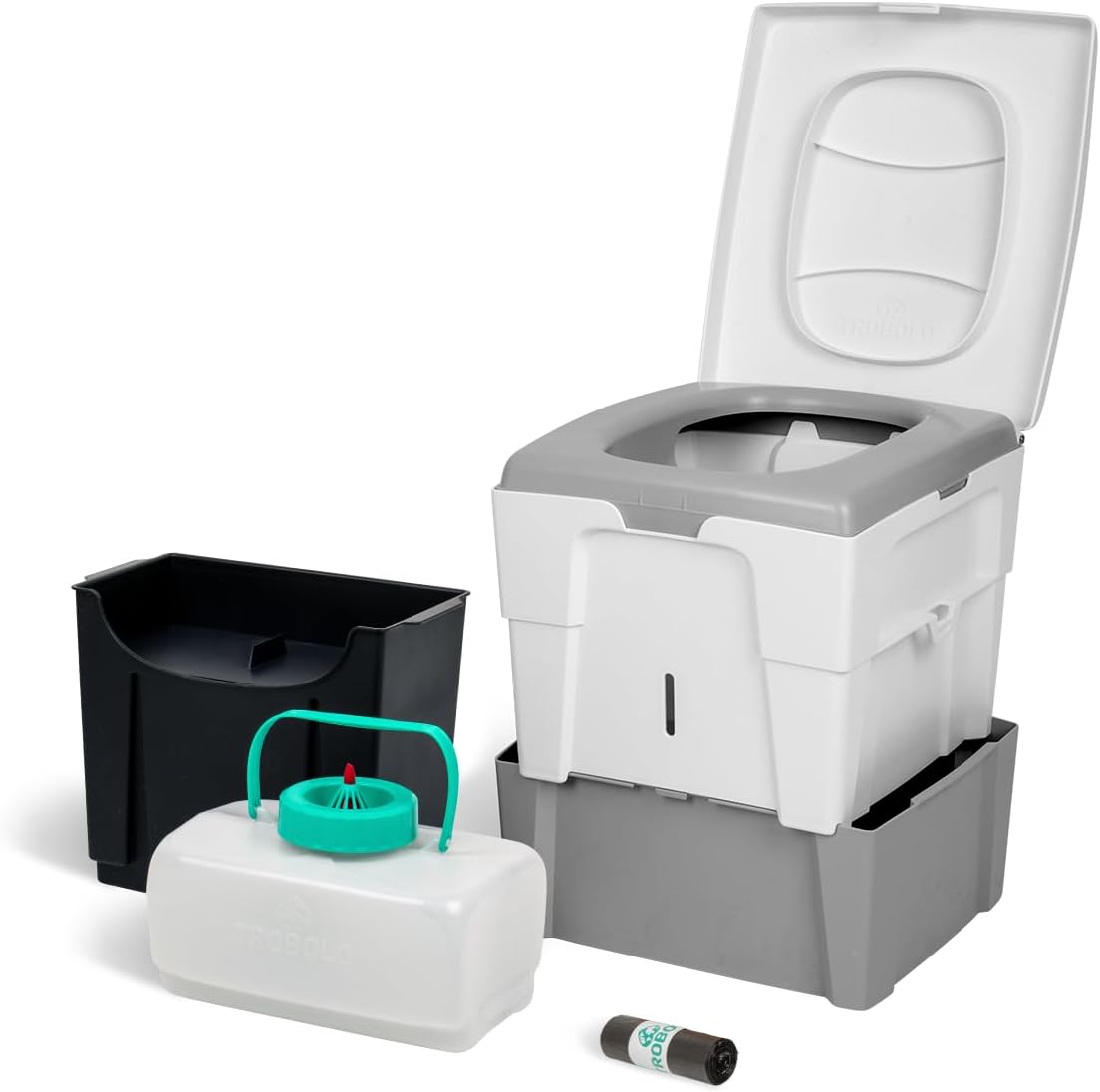
The TROBOLO WandaGO is a portable separating toilet designed with road trips and campervan use in mind. Its adjustable-height body allows it to pack down for storage while providing a more comfortable seating position during use.
Capacity is naturally more limited than a fixed cabin toilet, and regular emptying is part of ownership. Travelers who need flexibility, though, gain a compact system that requires no water or chemicals.
Key features: Adjustable seat height, urine diversion, compact housing, removable waste containers
Best for: Campervans, road trips, and camping
Pros: Adjustable height; compact storage; no chemicals required; easy transport
Cons: Limited capacity; frequent emptying for heavy use; no permanent ventilation system
Why we recommend it: Its adjustable-height design solves one of the biggest comfort problems associated with compact portable toilets.
7. TROBOLO WandaGO Lite

The TROBOLO WandaGO Lite simplifies the portable separating-toilet concept for occasional campers and travelers. It separates liquid and solid waste without requiring water, chemicals, or electricity.
Its basic construction means fewer comfort features and less capacity than larger alternatives. That simplicity, however, makes it easier to transport, clean, and store between trips.
Key features: Urine separation, lightweight body, waterless operation, compact construction
Best for: Weekend camping, travel, and backup sanitation
Pros: Lightweight; no power required; simple maintenance; easy to transport
Cons: Limited capacity; basic feature set; less suitable for permanent use
Why we recommend it: It delivers the essential benefits of a separating toilet without adding unnecessary weight or complexity.
8. BOXIO Toilet

The BOXIO Toilet uses a compact, stackable box-style format that fits neatly with other camping and overlanding equipment. Separate internal containers collect liquid and solid waste without requiring plumbing or electricity.
Its low seating position and modest capacity make it less appealing for permanent daily use. For camping, emergency preparedness, or occasional vehicle travel, though, the compact footprint is a practical advantage.
Key features: Stackable housing, urine separation, removable containers, waterless operation
Best for: Camping, overlanding, and emergency sanitation
Pros: Compact storage; simple construction; no electricity required; easy to transport
Cons: Low seating height; limited capacity; less comfortable than full-size systems
Why we recommend it: Its stackable design makes it especially convenient for users who need a toilet that stores alongside standard travel gear.
9. CompoCloset Cuddy Lite
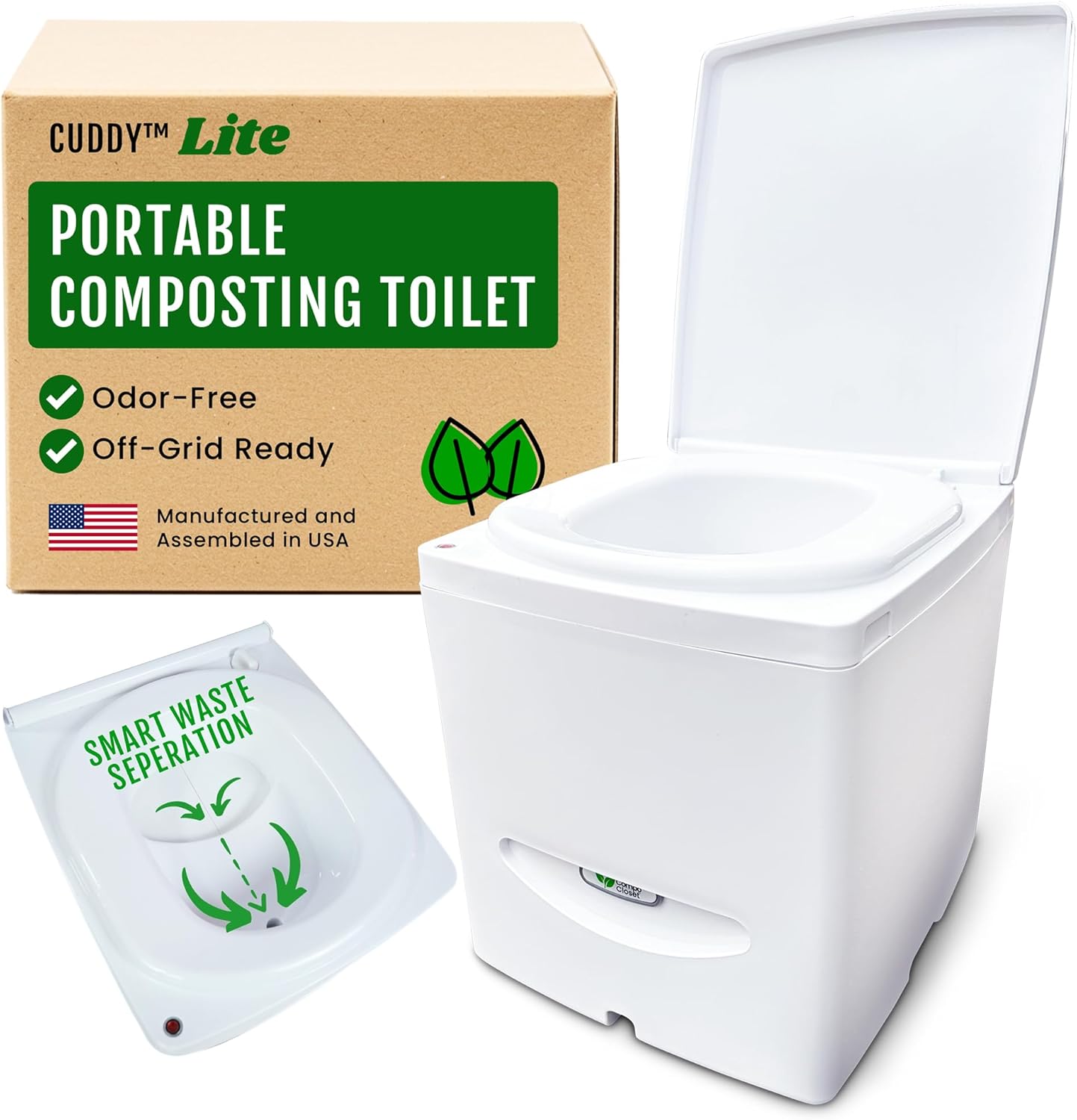
The CompoCloset Cuddy Lite combines urine separation with a more polished design suited to campervans, RVs, and tiny homes. Its removable containers make waste disposal straightforward without connecting to conventional plumbing.
It costs more than many basic portable toilets and has a smaller user base than legacy brands. Buyers who care about appearance as much as function, however, may prefer its cleaner, more finished design.
Key features: Urine-diverting system, removable containers, compact housing, modern exterior
Best for: Premium campervans, RVs, and tiny-home bathrooms
Pros: Attractive design; waterless operation; simple waste removal; compact footprint
Cons: Premium price; smaller customer base; lower capacity than permanent systems
Why we recommend it: It combines practical waste separation with a cleaner appearance that suits finished campervan and tiny-home interiors.
10. Separett Tiny Compost Toilet
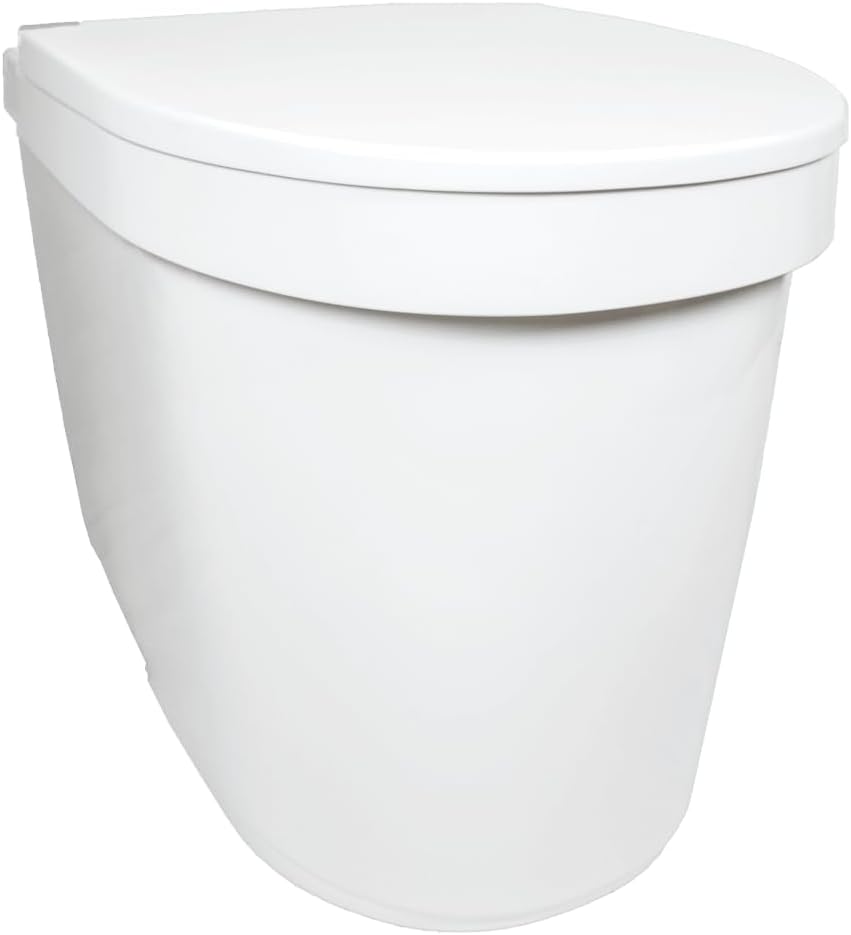
The Separett Tiny brings residential-style comfort to spaces where a full-size toilet is impractical. It separates liquid and solid waste while powered ventilation removes moisture and helps manage odor.
The system requires electricity and proper vent installation, making setup more involved than a simple portable toilet. Tiny-home and premium RV owners, however, gain a compact fixture that feels closer to a conventional bathroom.
Key features: Powered ventilation, urine separation, privacy flap, compact residential-style seat
Best for: Tiny homes, premium RVs, boats, and compact cabins
Pros: Comfortable seating height; active ventilation; polished appearance; compact footprint
Cons: Premium price; requires power; requires vent installation; less portable
Why we recommend it: It combines compact dimensions with active ventilation and residential-style comfort for more permanent small-space installations.
How to Choose the Best Compost Toilet
Start with how you actually plan to use the toilet.
For a permanent cabin or tiny home, ventilation, capacity, seat height, and ease of emptying should matter more than portability. Products such as Separett Villa or Nature’s Head make more sense here.
For an RV or campervan, measure your available floor space before buying anything. Remember to leave room to remove liquid and solid containers.
Portable systems such as Trelino, TROBOLO, and BOXIO work well when you don’t want permanent plumbing.
Also consider power. Some toilets need 12V electricity for ventilation or agitation, while simple urine-diverting designs can operate without electricity.
If your toilet is part of a larger self-reliance project, planning your waste system alongside how to start a homestead from scratch can prevent expensive infrastructure changes later.
Final Thoughts
The best compost toilet depends less on finding one universally superior model and more on matching the toilet to your space, usage, and maintenance routine. Nature’s Head offers a proven all-around system, Separett’s Villa and Tiny models work especially well for more permanent off-grid bathrooms, while Trelino, TROBOLO, and BOXIO provide increasingly portable alternatives for vans and camping. Measure your space, decide how often you’re willing to empty waste containers, check your ventilation and power options, and then choose the simplest system that comfortably meets those needs.
FAQs
Do compost toilets really not smell?
A properly operated compost toilet should have minimal odor. Good liquid-solid separation, adequate ventilation, the correct composting or cover material, and timely emptying are the biggest factors.
Do you have to empty a compost toilet?
Yes. Urine bottles may require frequent emptying, while solids containers generally last longer. Actual intervals depend on container size, number of users, and the toilet’s design.
Can you put toilet paper in a compost toilet?
Most systems allow normal toilet paper, although excessive amounts can fill the solids container faster. Always follow the manufacturer’s instructions for your particular model.
Does a compost toilet need electricity?
Not necessarily. Simple urine-diverting toilets can operate without electricity, while models with powered fans or electric agitators usually need a small 12V or AC supply.
Is a compost toilet good for an off-grid cabin?
Yes. A compost toilet can be particularly useful where septic installation, sewer access, or reliable water supply is difficult. Before installation, however, check local sanitation, building, and waste-disposal regulations because requirements vary by jurisdiction.