Homestead Garden Basics: Grow Food the Smart Way
We may earn a commission for purchases made using our links. Please see our disclosure to learn more.
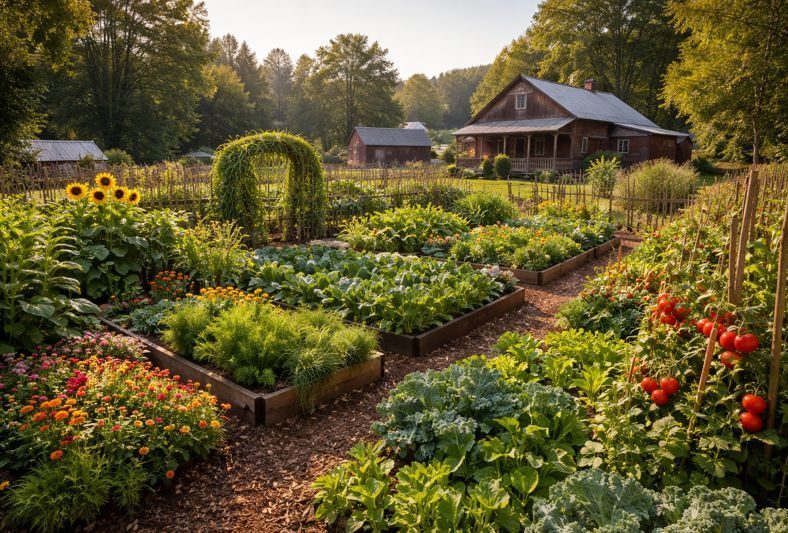
A homestead garden can transform the way you eat, live, and connect with your land. Whether you’re starting with a sunny backyard patch or a dedicated plot on acreage, a homestead garden offers real rewards — fresh food, lower grocery bills, deeper satisfaction, and a resilient lifestyle. In this guide, we’ll explore what it takes to build a successful homestead garden, the tools that make growing easier, and the science that supports the lifestyle many people are rediscovering.
From beginners to seasoned growers, this article will help you plant with confidence and harvest year after year.
What Is a Homestead Garden?
When most people think of gardening, they picture a few tomato plants and some tulips. But a homestead garden is different.
A homestead garden is intentionally designed to produce food that:
- Feeds your household
- Stores well
- Supports self-reliance
- Matches your climate and goals
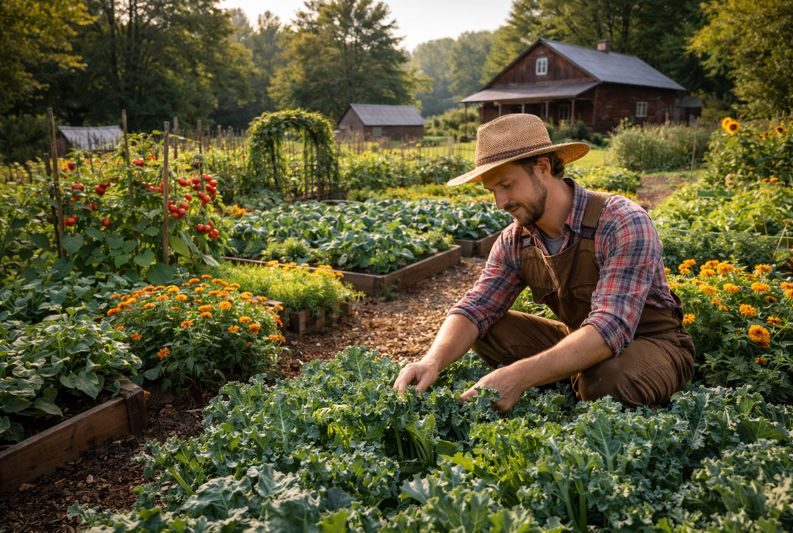
Instead of decorative landscaping, a homestead garden prioritizes productivity and sustainability. It might include rows of vegetables, herbs, fruit bushes, perennial beds, and even companion plants. The focus isn’t simply to grow — it’s to grow well.
Why Start a Homestead Garden?
If you’ve ever wondered whether gardening is worth the effort, consider these benefits homesteaders report again and again:
Food Security
Store shelves can empty, prices can soar, and supply chains can stretch thin. A homestead garden provides a buffer against uncertainty. Even a modest plot can supply a meaningful portion of your family’s produce.
Cost Savings
Seeds are inexpensive. Once soil biology is healthy, many plants return year after year. Over time, your garden can save hundreds — even thousands — of dollars annually.
Better Nutrition
Freshly harvested vegetables and herbs retain more vitamins and flavor than store produce that travels long distances. You’re also more likely to eat what you grow.
Physical and Mental Well-Being
Digging, planting, watering, and harvesting are physical activities that keep you moving. Many gardeners find peace and joy in the rhythm of their beds.
Planning Your Homestead Garden for Success
Good gardens begin before the first seed goes in the ground. Thoughtful planning sets you up for higher yields and fewer headaches.
Choose the Right Location
Sunlight is the single most important factor in garden success. Aim for at least 6–8 hours of direct sun daily, especially for fruiting crops like tomatoes and peppers. Avoid shaded spots near tall trees or structures.
Prepare the Soil First
Healthy soil produces healthy plants. Before planting:
- Add well-aged compost or manure
- Break up clumps and remove rocks
- Aim for a loamy, crumbly texture
- Test your soil pH (6.0–7.0 is ideal for most vegetables)
Strong soil also reduces pest pressure and minimizes the need for synthetic fertilizers.
Select Crops That Work for You
Begin with reliable, high-yield crops:
- Potatoes and sweet potatoes
- Beans and peas
- Leafy greens (kale, spinach, chard)
- Tomatoes and squash
Growing what you love increases the likelihood you’ll stick with the garden long term.
Essential Tools for a Productive Homestead Garden
The right tools shrink work time and boost your confidence. Here are five tools that countless homesteaders rely on:
1. Heavy-Duty Garden Hoe – Perfect for shaping beds, removing weeds, and preparing soil without strain.
2. Broadfork for Soil Aeration – Breaks up compacted ground without turning soil layers — which supports healthy microbes.
3. Soaker Hose Irrigation Kit – Efficiently delivers water right to plant roots, reducing waste and disease associated with overhead watering.
4. Stainless Steel Hand Tool Set – Durable, rust-resistant trowels and cultivators make planting and harvesting easier.
5. Seed Storage Organizer – Keep seeds labeled, dry, and sorted so you never waste money or time.
Each of these supports long-term productivity rather than quick fixes that burn you out.
Why Growing Your Own Food Supports Health and Self-Reliance
What many homesteaders experience firsthand is now backed by solid research: growing your own food does more than fill your pantry—it supports both physical well-being and long-term independence.
A well-known meta-analysis published in Preventive Medicine Reports examined over 20 studies focused on gardening and health outcomes. The findings showed that people who garden regularly often experience lower stress levels, fewer symptoms of anxiety and depression, improved mood, and higher overall life satisfaction. Gardening was also linked to increased physical activity and healthier body weight, especially when practiced consistently over time.
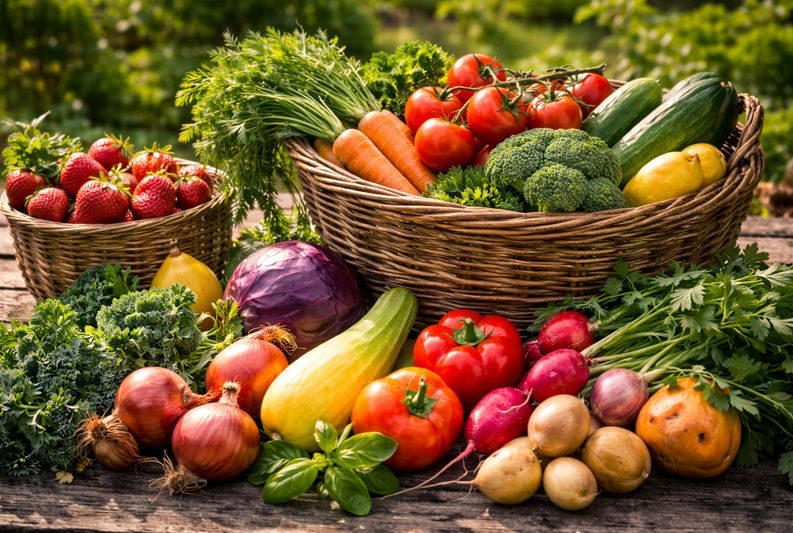
From a food security perspective, a comprehensive review in the journal Agriculture & Food Security explored home and small-scale food gardens across different regions of the world. The review concluded that home food production can increase household food availability, improve dietary diversity, and reduce dependence on external food systems. Importantly, the study emphasized that home gardens provide access to fresh, nutrient-dense foods—not just calories—while strengthening household resilience.
Together, these findings reinforce a simple idea at the heart of homesteading: a garden isn’t just about growing vegetables. It’s about building healthier routines, strengthening self-reliance, and creating stability that lasts beyond a single season.
Common Homestead Garden Mistakes to Avoid
No matter how long you’ve been gardening, mistakes still happen. Here are a few pitfalls you can avoid:
Planting Too Much Too Soon
A large garden can feel exciting — until you’re overwhelmed by maintenance. Start with space you can manage well.
Ignoring Soil Health
Good soil biology reduces pests and increases yields. Skip the quick-fix fertilizers and favor compost and cover crops.
Overwatering
More water isn’t better. Too much moisture invites disease and root rot. Use drip irrigation or soaker hoses to focus water where it’s needed.
Skipping Preservation Planning
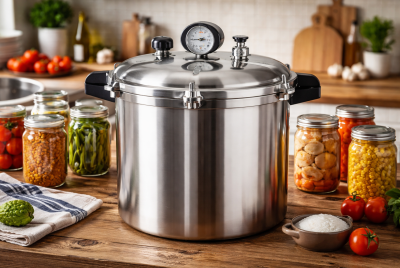
Harvests don’t help if they spoil. Learn basic canning, drying, and fermenting so your hard work feeds you year-round.
Conclusion
A homestead garden isn’t a one-season project—it’s a long-term investment in your health, food security, and self-reliance. With thoughtful planning, healthy soil, and a willingness to learn as you go, your garden can evolve into a dependable source of nourishment and satisfaction. Start small, grow intentionally, and let each season teach you something new. Over time, the rewards extend far beyond fresh vegetables, shaping a lifestyle rooted in resilience and purpose. If you’re interested in expanding your harvest into simple home remedies and preservation, you can explore practical ideas like these elderberry syrup recipes. Ready to dig in?
FAQs
1. How big should a homestead garden be?
There’s no one-size-fits-all answer. Many beginners start with 200–400 square feet, then expand as confidence grows.
2. Can I homestead garden in a suburban yard?
Absolutely. With good planning and vertical space use, even small yards can produce abundant food.
3. What’s the easiest crop to grow?
Potatoes, leafy greens (like kale), and beans are generally forgiving for beginners.
4. How long before a garden becomes productive?
Most gardens show strong yields by the second growing season once soil and systems are established.
5. Do homestead gardens save money?
Yes, especially over time. Growing staples and preserving harvests significantly cuts grocery bills.