Organic Pest Control For Gardens That Really Work
We may earn a commission for purchases made using our links. Please see our disclosure to learn more.
Organic pest control for gardens is not about guessing or hoping pests disappear. It is about using proven, natural strategies to protect your crops without harming your soil, pollinators, or family. Aphids, beetles, and caterpillars will always show up, especially in productive homestead gardens. However, you do not need harsh chemicals to handle them. With the right combination of soil health, companion planting, physical barriers, and targeted organic treatments, you can control pests effectively while strengthening your garden long term. Let’s talk about what actually works and how to apply it with confidence.
Why Natural Pest Control Is the Safer Bet for Your Garden
Conventional pesticides promise quick results. Spray once, problem gone. However, long-term agricultural studies show that repeated chemical use reduces soil microbial diversity. That matters because microbes fuel plant immunity.
Furthermore, research in environmental science journals links synthetic pesticides to pollinator decline. And without pollinators, yields drop dramatically. Homesteading isn’t about shortcuts. It’s about sustainability.
Organic pest control for gardens focuses on balance instead of total destruction. Instead of wiping out every insect, it supports a healthy ecosystem where pests stay manageable. That distinction changes everything.
Understanding Why Pests Attack in the First Place
Before grabbing a spray bottle, ask one simple question: Why are pests choosing your plants?
Research in agroecology shows that stressed plants attract more insects. Weak cell walls and nutrient imbalances make leaves easier to chew. Healthy plants defend themselves better.
In other words, pest control starts below ground. If your soil lacks organic matter, your plants struggle. And struggling plants send signals that pests detect.
So instead of reacting emotionally, build resilience first.
8 Proven Organic Pest Control Methods That Deliver Results
1. Build Healthy Soil First
Healthy pest control starts underground. When you add compost regularly and protect the soil with mulch, you feed beneficial microbes that strengthen plant roots. Strong roots lead to sturdy stems and thicker leaves, which insects find harder to damage. At the same time, avoid overwatering because soggy soil weakens plants and attracts problems. When your soil contains plenty of organic matter and proper nutrients, plants develop stronger natural defenses against insects.
2. Companion Planting That Actually Works
Companion planting is simply using plant diversity to your advantage. Marigolds help reduce nematodes, basil can deter flies, and nasturtiums draw aphids away from valuable crops. Instead of planting large blocks of one vegetable, mix herbs and flowers throughout your garden beds. Diversity confuses pests and reduces the chance of a full-blown infestation. Plus, it creates a healthier, more resilient garden overall.
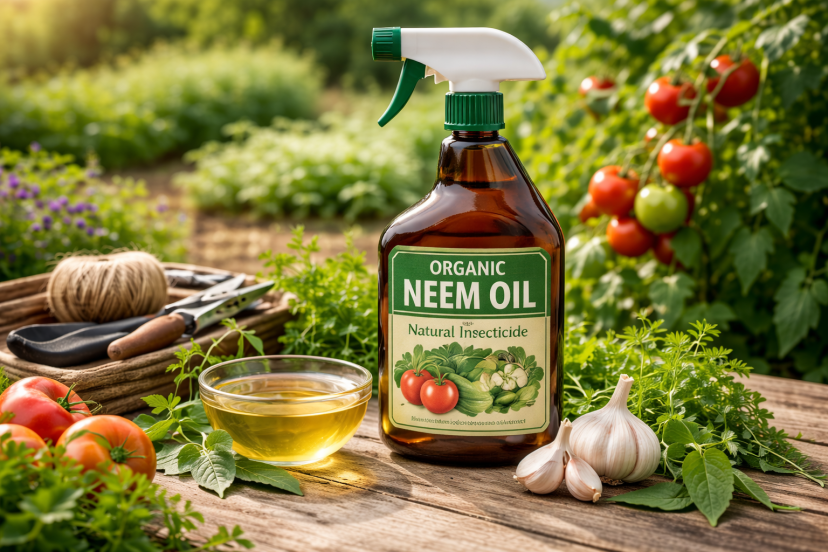
3. Neem Oil Done the Right Way
Neem oil works by interrupting insect feeding and reproduction, which gradually reduces pest populations. Timing is important when applying neem oil. Use it in the early morning or late evening to avoid leaf damage and reduce risk to pollinators. Focus on affected plants and repeat weekly during active infestations. Used consistently and correctly, neem oil becomes a powerful organic tool without harming your garden ecosystem.
4. Diatomaceous Earth for Crawling Insects
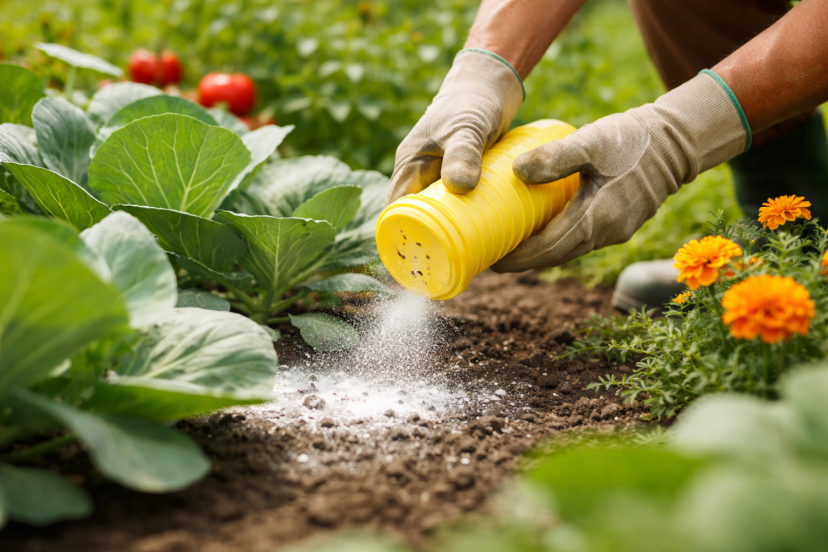
Food-grade diatomaceous earth controls pests mechanically, not chemically. The fine powder damages insect exoskeletons, causing them to dehydrate. Apply it around plant bases and along soil surfaces where crawling insects travel. Because moisture reduces effectiveness, reapply after rain or heavy watering. It works especially well against ants, beetles, and slugs when conditions stay dry.
5. Beneficial Insects (Let Nature Help You)
Not every bug in your garden is a problem. Ladybugs consume aphids, lacewings feed on soft-bodied insects, and parasitic wasps target caterpillars. Instead of eliminating everything, create an environment that attracts these natural predators. Plant flowering herbs, avoid broad-spectrum sprays, and let nature balance the system. When beneficial insects thrive, pest outbreaks often shrink quickly.
6. Homemade Garlic & Pepper Spray
A simple mixture of crushed garlic, cayenne pepper, and water creates a strong natural deterrent. The scent and taste repel chewing insects without introducing synthetic chemicals. Spray directly onto leaves during early infestations and reapply after rain. While it won’t eliminate severe outbreaks alone, it works well as part of a layered organic approach.
7. Physical Barriers and Row Covers
Sometimes prevention is easier than treatment. Floating row covers physically block moths and beetles from laying eggs on plants. They’re especially effective for squash, cabbage, and leafy greens. Install them early in the season before pests arrive. Then remove them during flowering so pollinators can access blooms. This simple barrier often prevents entire pest cycles from starting.
8. Crop Rotation and Smart Garden Planning
Planting the same crops in the same spot each year allows pests and soil-borne diseases to build up. Instead, rotate plant families each season to disrupt their life cycles. For example, move tomatoes to a different bed the following year. Planning ahead prevents recurring problems and strengthens long-term soil health. Organic pest control works best when you think proactively rather than reactively.
5 Best Organic Pest Control Products
If you prefer ready-made solutions, these highly rated products align with organic principles:
- Garden Safe Neem Oil Extract Concentrate – Highly reviewed and effective against common garden pests.
- Harris Food Grade Diatomaceous Earth – Large bag with applicator. Excellent for soil and crawl spaces.
- Safer Brand Insect Killing Soap – OMRI Listed. Targets aphids, thrips, and mites.
- Bonide Captain Jack’s Deadbug Brew (Spinosad-Based) – Derived from soil bacteria. Effective for caterpillars.
- Summit Mosquito Bits (BTI) – Controls mosquito larvae in water sources organically.
These products support Organic Pest Control For Gardens while maintaining strong user feedback.
What Makes Organic Pest Control So Effective?
If you’ve ever wondered whether organic pest control is truly effective—or just something gardeners pass down by word of mouth—there’s solid research behind it.
A 2024 review on Integrated Pest Management (IPM) confirms that combining strategies works better than relying on one solution. The researchers found that layering methods—like crop rotation, beneficial insects, and limited targeted treatments—reduces pest pressure while protecting the surrounding ecosystem. In other words, prevention plus smart intervention beats reactive spraying every time.
That lines up perfectly with what we’ve discussed—healthy soil, biodiversity, and thoughtful action create stronger gardens.
Diatomaceous earth also has research behind it. A comprehensive review titled Diatomaceous Earth for Arthropod Pest Control explains how DE works by physically damaging insect exoskeletons, causing them to dehydrate. It’s not a poison. It’s mechanical. However, the review also points out that moisture reduces its effectiveness, which is why reapplying after rain makes a real difference.
So if you’re building a system that includes crop rotation, beneficial insects, and tools like diatomaceous earth, you’re not guessing. You’re following methods backed by science.
And that’s reassuring when your harvest depends on it.

How Organic Pest Control Protects Long-Term Harvests
You’re not just growing vegetables. You’re building food security. Organic Pest Control For Gardens ensures your harvest remains safe for fresh eating, storing, and preserving. If you’re planning to preserve your crop, proper storage matters. This guide on canning tomatoes walks you through safe preservation techniques that keep your food pantry-ready. Healthy crops deserve safe storage.
Moreover, organic pest control protects pollinators. More pollinators mean more fruit set. In the long term, your soil improves rather than deteriorates. That’s real sustainability.
Conclusion
Organic pest control for gardens works when you focus on prevention, balance, and consistency instead of quick chemical fixes. By building healthy soil, encouraging beneficial insects, rotating crops, and using targeted natural treatments only when necessary, you create a system that manages pests without damaging your ecosystem. No single solution does it all, but layered strategies keep problems under control while strengthening your garden season after season.
FAQs
1. Does organic pest control for gardens actually work long-term?
Yes. When layered properly, organic methods maintain manageable pest levels while improving soil health.
2. Can neem oil be safely used on vegetables and other edible plants?
Yes, when diluted correctly and applied according to label instructions.
3. How often should I apply organic sprays?
Apply weekly during infestations and reduce frequency once pest pressure declines.
4. Can organic pest control handle severe infestations?
Yes, especially when combining physical barriers, beneficial insects, and targeted organic treatments.
5. Does organic pest control improve soil fertility?
Absolutely. Composting and avoiding synthetic chemicals increase microbial life and long-term productivity.