Top 10 Seed Starter Kit
We may earn a commission for purchases made using our links. Please see our disclosure to learn more.
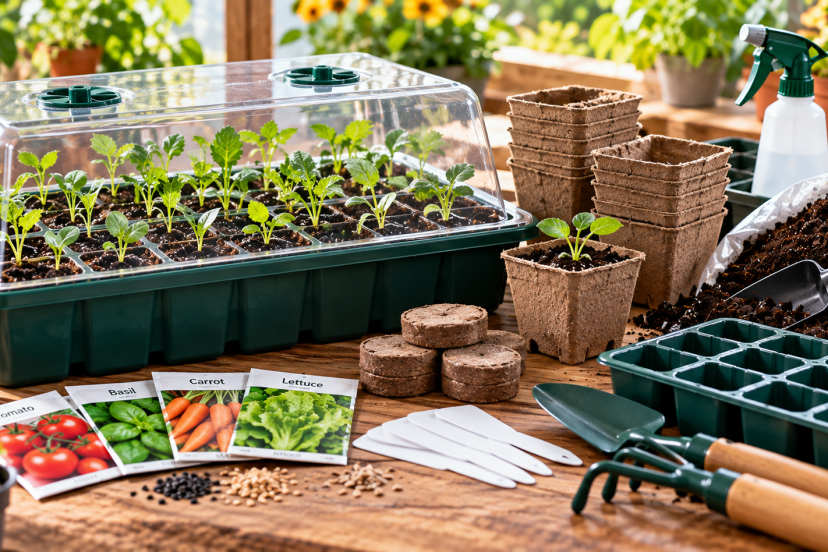
Starting vegetables from seed can save money, open the door to more varieties, and give you control over your garden from day one. But balancing tiny pots, improvised plastic covers, and uneven watering gets frustrating fast. A good seed starter kit keeps those early stages much more manageable. Depending on the setup, you can get individual cells, drainage trays, humidity domes, grow lights, heat mats, or self-watering features in one package. We compared current seed-starting systems sold through Amazon, emphasizing useful design, customer feedback, versatility, and overall value. Amazon availability and ratings can change, so always confirm the current product details before ordering.
Our Top Picks
| Product | Best For | Key Feature | Rating |
| MIXC 10-Pack Seed Starter Kit | Best overall | 120 cells with adjustable domes | ★★★★⯪ |
| Bootstrap Farmer Seed Starter Kit | Repeated seasonal use | Heavy-duty 1020 system | ★★★★⯪ |
| SOLIGT 60-Cell Seed Starter Kit | Complete indoor setup | Light and heat mat included | ★★★★☆ |
| Park Seed Bio Dome | Easy germination | Bio Sponge growing medium | ★★★★★ |
| MIXC 40-Cell 5-Pack | Large batches | 200 total cells | ★★★★⯪ |
| Vego Garden Seedling Suite | Premium durability | Bottom-watering design | ★★★★⯪ |
| Gardzen 5-Set Starter Kit | High-volume sowing | 200-cell capacity | ★★★★☆ |
| Bonviee Starter Trays With Lights | Low-light rooms | Integrated LEDs | ★★★★☆ |
| Bonviee 5-Pack Starter Trays | Budget-friendly starting | Vented humidity domes | ★★★★☆ |
| Patigrow 120-Cell Starter System | Automated care | Self-watering design | ★★★★⯪ |
1. MIXC 10-Pack Seed Starter Kit

The MIXC 10-pack is one of the most proven options for gardeners who want to start several varieties without dedicating an entire table to one oversized tray. It provides 120 individual cells divided among compact trays, each with its own base and humidity cover.
Its adjustable vents are especially useful because seedlings need high humidity during germination but better airflow once they emerge. The cells are transparent enough to make checking root development easier without pulling seedlings out.
Amazon-linked product data shows this model carrying thousands of customer ratings and a strong overall rating.
Key features: 10 trays, 120 cells, adjustable humidity vents, drainage holes, reusable design
Best for: Most home gardeners
Pros: Compact trays; excellent review volume; easy humidity control; useful for staggered planting
Cons: Cells are relatively small; lightweight plastic requires careful handling
Why we recommend it: It balances capacity, flexibility, and price better than most basic starter sets.
2. Bootstrap Farmer Seed Starter Kit Extra Strength

Cheap nursery trays often flex when you lift them full of wet soil. Bootstrap Farmer takes the opposite approach, using sturdier components designed for repeated growing seasons.
The complete kit typically combines a heavy-duty 1020 flat, plug tray, and tall humidity dome. A two-kit configuration can provide room for as many as 144 seedlings while retaining the familiar commercial-style 1020 footprint.
Key features: Heavy-duty 1020 trays, tall vented dome, plug inserts
Best for: Gardeners starting seeds every year
Pros: Excellent durability; reusable; generous dome height; standard sizing
Cons: Costs more than thin disposable trays; takes more storage space
Why we recommend it: Paying more makes sense when you want trays that can survive season after season instead of becoming disposable garden plastic.
3. SOLIGT 60-Cell Seed Starter Kit With Grow Light and Heat Mat
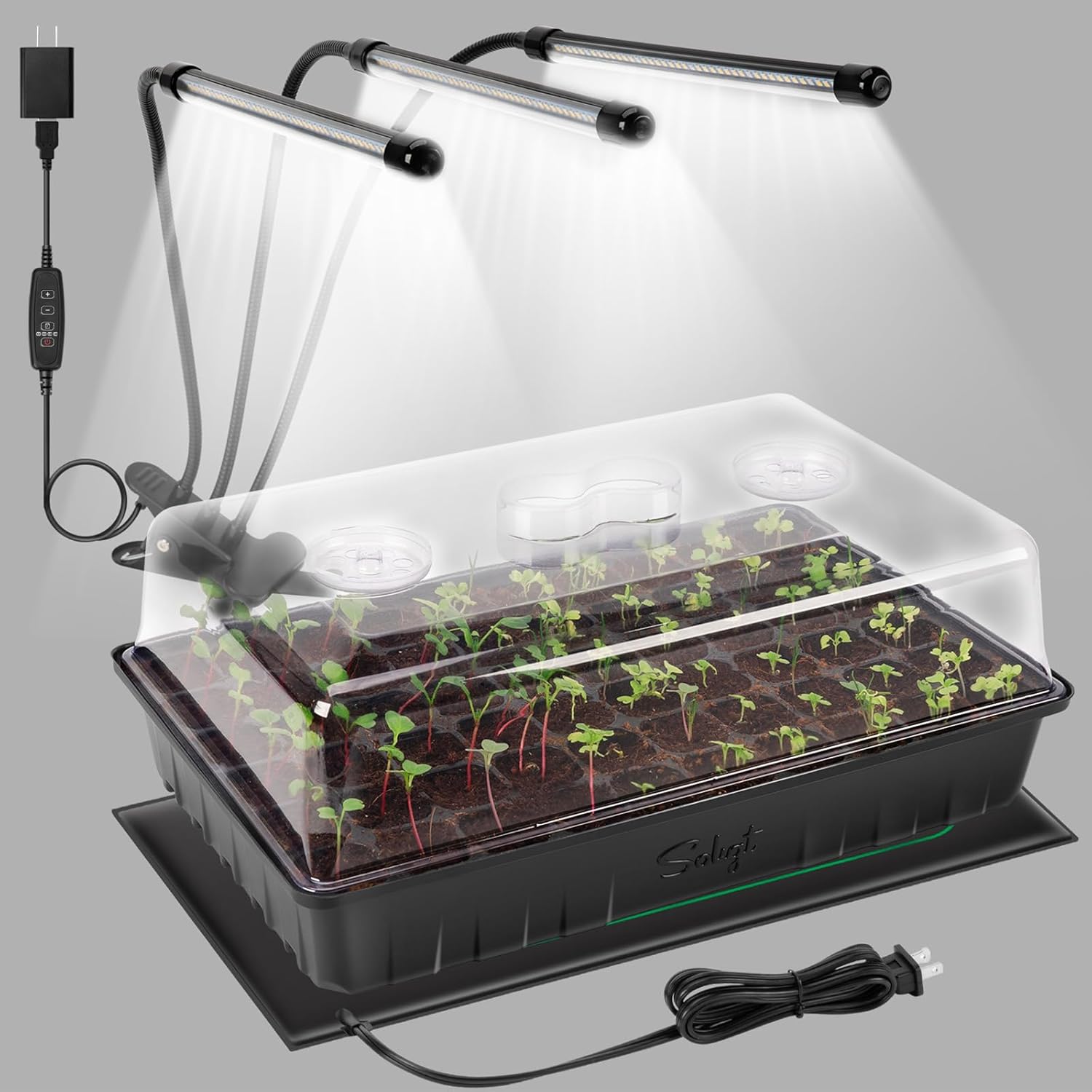
SOLIGT removes two of the biggest variables in indoor seed starting: warmth and light.
Along with a 60-cell tray and humidity dome, the kit includes a seedling heat mat and overhead grow light. That makes it particularly useful for tomatoes, peppers, eggplants, and other crops commonly started indoors before outdoor conditions become suitable.
Key features: 60 cells, grow light, heat mat, tall humidity dome
Best for: Starting warm-season crops indoors
Pros: More complete than tray-only kits; controlled warmth; supplemental light
Cons: Larger footprint; more expensive; electrical components add setup
Why we recommend it: It provides most of the equipment a beginner otherwise has to purchase separately.
4. Park Seed Bio Dome Seed-Starting System
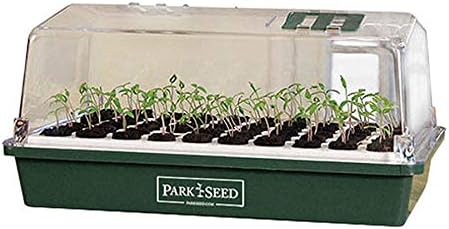
The Park Seed Bio Dome replaces loose seed-starting mix with individual Bio Sponges. You place seeds directly into the preformed growing medium, then water from below.
That approach keeps the process remarkably tidy. The clear dome also includes adjustable ventilation, while the bottom-watering design encourages roots to grow downward. Independent hands-on testing found the system especially easy to use.
Key features: Bio Sponges, planting block, humidity dome, bottom watering
Best for: Beginners wanting a less messy system
Pros: Simple setup; good moisture control; easy transplanting; reusable main components
Cons: Replacement sponges add ongoing expense; bulkier than standard trays
Why we recommend it: Few kits make germination quite this straightforward for gardeners who dislike dealing with loose growing medium.
5. MIXC 40-Cell 5-Pack Seed Starter Trays

Starting onions, herbs, lettuce, flowers, or several vegetable varieties can quickly consume tray space. This MIXC configuration gives you five 40-cell trays, producing 200 growing positions altogether.
Compared with the smaller 12-cell MIXC trays, these make more sense for larger batches. Available product data shows strong customer feedback and thousands of ratings.
Key features: Five 40-cell trays, 200 cells total, domes, drainage, reusable construction
Best for: Large seed-starting sessions
Pros: Excellent capacity; separate trays simplify crop organization; reusable
Cons: Small individual cells require timely transplanting; uses considerable shelf space
Why we recommend it: It offers substantial growing capacity without forcing you to manage one huge undivided tray.
6. Vego Garden Seedling Suite

Vego Garden focuses heavily on durability and thoughtful watering rather than simply maximizing cell count.
The Seedling Suite uses substantial trays, individual covers, and a bottom-watering setup. Customer feedback repeatedly highlights its sturdy construction, humidity management, and openings that make seedlings easier to remove with less root disturbance.
Key features: Heavy-duty trays, bottom watering, individual covers, easy-release cells
Best for: Gardeners investing in reusable equipment
Pros: Excellent construction; convenient watering; transplant-friendly design
Cons: Premium price; unnecessary for occasional seed starting
Why we recommend it: This is a strong alternative to replacing flimsy trays every spring.
7. Gardzen 5-Set Seed Starter Tray Kit

Gardzen’s five-tray system provides 200 cells, making it practical for gardeners raising large numbers of vegetables or annual flowers.
Each tray includes a base and vented humidity dome, allowing different crops to germinate under slightly different conditions. The format also works well when sowing seedlings at different times rather than filling everything on one weekend.
Key features: Five trays, 200 total cells, vented domes, bases
Best for: High-volume seed starting
Pros: High capacity; separate growing zones; straightforward design
Cons: Takes considerable space; lightweight construction
Why we recommend it: It provides plenty of planting capacity without pushing the price into premium territory.
8. Bonviee Seed Starter Trays With Grow Lights

A sunny windowsill sounds ideal until seedlings stretch sideways searching for more light. Bonviee addresses that problem by building LED lights directly into the tray covers.
The five-tray system includes clear growing cells, elevated humidity domes, adjustable ventilation, and full-spectrum LEDs. Current product information shows thousands of customer reviews, though buyers commonly note that the lightweight covers could fit more securely.
Key features: Five trays, integrated LEDs, clear cells, adjustable humidity
Best for: Apartments and low-light rooms
Pros: Supplemental lighting included; compact; easy root monitoring
Cons: Lightweight lids; power adapter may not be included
Why we recommend it: It adds useful supplemental lighting without requiring a separate grow-light stand.
9. Bonviee 5-Pack Seed Starter Trays
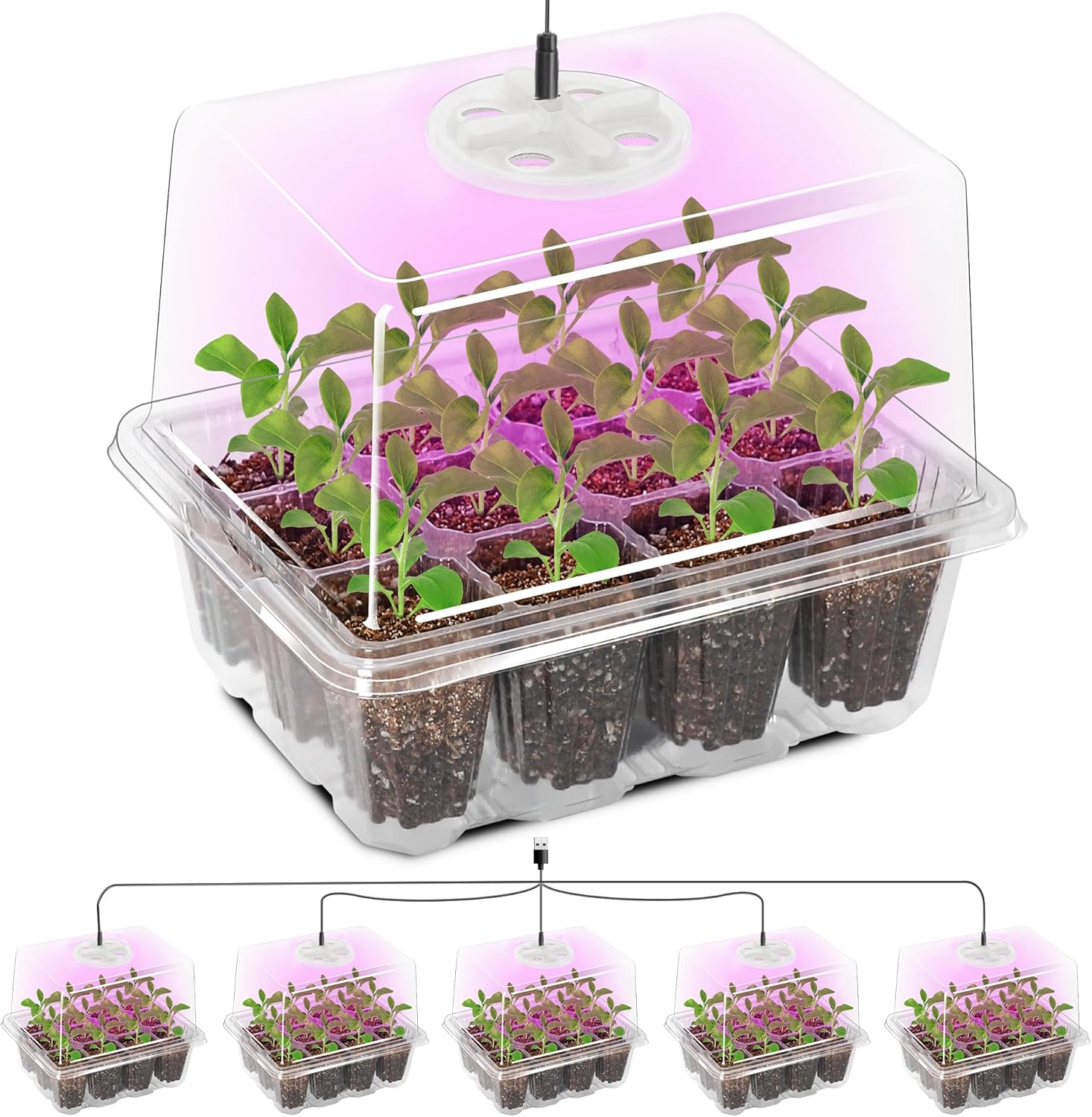
Gardeners who already own grow lights may prefer Bonviee’s simpler tray-and-dome kit.
You get five 12-cell trays, watertight bases, clear lids, adjustable vents, and plant labels. The smaller modules make it easy to start tomatoes in one tray, herbs in another, and flowers in a third rather than mixing everything together.
Key features: Five 12-cell trays, drainage holes, humidity vents, plant labels
Best for: Small and staggered batches
Pros: Affordable; compact; easy crop separation; strong review volume
Cons: Only 60 cells total; lightweight materials
Why we recommend it: This is a simple, affordable choice when you already have lighting and only need reliable germination trays.
10. Patigrow 120-Cell Self-Watering Seed Starter Tray

Constantly checking moisture is one of the least convenient parts of seed starting. A self-watering system reduces that workload by maintaining moisture from below rather than relying entirely on frequent top watering.
Patigrow’s 120-cell setup is aimed at gardeners starting sizable batches while wanting more automated moisture management. It also appeared among current Amazon seed-starting systems during our research.
Key features: 120 cells, self-watering system, humidity cover, indoor propagation design
Best for: Gardeners worried about seedlings drying out
Pros: High capacity; reduced watering workload; useful for busy growers
Cons: More components to clean; takes more room than modular mini trays
Why we recommend it: Its self-watering approach addresses one of the most common causes of inconsistent seedling growth.
What to Look for in a Seed Starter Kit
Cell Size and Capacity
More cells are not automatically better. Lettuce, onions, and small herbs can start comfortably in compact cells, while tomatoes, squash, cucumbers, and other vigorous seedlings benefit from more root space if you plan to keep them indoors longer.
Humidity Control
A clear dome helps prevent the growing mix from drying while seeds germinate. Adjustable vents are even better because you can gradually increase airflow after seedlings emerge.
Remove or open domes as plants establish. Constantly warm, stagnant, humid conditions can encourage fungal problems.
Grow Lights
Strong light becomes crucial once seedlings appear. If your growing area lacks bright natural light, a kit with integrated LEDs—or space beneath a separate grow light—can help prevent weak, stretched seedlings.
Bottom Watering
Bottom watering allows growing medium to absorb moisture upward and reduces disturbance around tiny stems. Self-watering mats and reservoirs make moisture management easier still.
If you intend to move seedlings into protected growing space later, this guide to building an affordable backyard greenhouse explains how a simple structure can protect young plants from wind, cool temperatures, and unpredictable spring weather.
Final Thoughts
The best seed starter kit is the one that matches how many plants you actually grow and how much control you want over moisture, warmth, and lighting. MIXC’s compact domed trays are a versatile choice for most home gardeners, while Bootstrap Farmer and Vego make more sense when durability matters most. If you are starting seedlings indoors without dependable warmth or natural light, a more complete system such as the SOLIGT kit can eliminate the need to assemble separate equipment.
FAQs
What should a good seed starter kit include?
At minimum, look for seedling cells, a base tray, drainage, and a humidity dome. Grow lights, heat mats, labels, and self-watering systems are useful additions but are not essential for every gardener.
When should I start seeds indoors?
Most vegetables started indoors are sown several weeks before their recommended outdoor transplant date. The exact timing depends on the crop and your area’s expected last frost date, so follow the instructions on the seed packet.
Do seed starter kits need grow lights?
Not always, but supplemental lighting is very useful when natural indoor light is weak. Seedlings that receive inadequate light often become tall, thin, and stretched.
Should I keep the humidity dome on after seeds sprout?
Usually not for long. Once most seedlings have emerged, gradually increasing ventilation and eventually removing the dome improves airflow and lowers the risk of excessive moisture around young plants.
Are reusable seed starter trays worth buying?
Yes, particularly if you start seeds every year. Sturdier reusable trays cost more initially but can reduce waste and avoid repeatedly replacing thin disposable trays.