10 Off-Grid Cooking Techniques Every Homesteader Should Know
We may earn a commission for purchases made using our links. Please see our disclosure to learn more.
Cooking without electricity is not just a survival skill—it is a practical part of everyday homesteading. Knowing reliable off-grid cooking techniques helps you prepare meals during power outages, reduce fuel costs, and stay self-sufficient in any situation. From cooking over open flames to using solar heat or retained warmth, these methods give you flexibility when modern conveniences are unavailable. In this guide, you will learn ten proven techniques that make off-grid cooking simpler, safer, and more dependable for daily homestead life.
Why Smarter Cooking Methods Make Off-Grid Life Safer and Easier
If you’ve cooked over a smoky fire or tried to stretch a small fuel supply, you know how quickly things can get difficult. Too much smoke, weak heat, or fast-burning wood can slow everything down. The solution is often simple. Small changes in cooking setup and technique can improve comfort, safety, and fuel efficiency.
Research on cleaner-burning stoves supports what many homesteaders learn through experience: fire design matters. Studies on improved cookstoves show that better airflow and controlled combustion reduce smoke and harmful gases in cooking spaces. In practical terms, that means clearer air and steadier heat, especially when cooking indoors during cold weather. That is why many homesteaders move from open fires to rocket stoves or efficient wood stoves. These systems burn fuel more cleanly and use less wood.
Solar cooking shows similar benefits. Tests on modern solar ovens confirm they can reach safe cooking temperatures and prepare full meals under normal sunlight. They work well for slow-cooking foods like beans, vegetables, and soups. While solar cookers do not replace every method, they reduce fuel use and provide a reliable backup when firewood is limited.
Efficient cooking methods save fuel, improve safety, and simplify daily routines. Over time, those gains build resilience. You use less wood, manage heat more easily, and depend less on a single cooking method.

1. Open-Fire Cooking
Open-fire cooking is probably the oldest method on this list, and it still earns its place. It works well for roasting, boiling, grilling, and searing. You can cook directly over flame, over hot coals, or beside the fire using indirect heat.
This method shines when you want simplicity. A grate, a sturdy pan, and a fire-safe setup can take you a long way.
Best foods for open-fire cooking include:
- corn on the cob
- potatoes
- sausages
- stews
- skewered meat and vegetables
The key is heat control. Flames look dramatic, but coals usually cook better. They give steadier heat and reduce scorching.
2. Dutch Oven Cooking
If off-grid cooking had a workhorse, it would be the Dutch oven.
A cast iron Dutch oven lets you bake, braise, fry, and simmer with very little fuss. You can place it over coals, hang it near a fire, or set coals on top of the lid for even heating. That top-and-bottom heat is what makes it so useful.
You can make:
- bread
- cobbler
- chili
- soups
- roast chicken
- casseroles
For homesteaders, this method is gold because one pot can handle a full meal. It also holds heat well, which makes cooking more forgiving.
3. Rocket Stove Cooking
Rocket stove cooking is one of the most efficient off-grid cooking techniques for small-stick fuel. These stoves burn hot and focused, which means you can boil water or cook a simple meal with less wood than an open fire. Research on improved cookstoves consistently shows that better stove design can reduce harmful emissions compared with traditional open-fire setups, although results vary by stove type and real-world use.
That is a big deal on a homestead. Less fuel gathering means less labor. More efficient combustion also means less smoke in many cases, which makes the cooking area more pleasant.
Rocket stoves are especially useful for:
- boiling water
- frying eggs
- heating soup
- cooking rice
- quick skillet meals
They are not always the best choice for large-batch baking, but for fast, fuel-efficient meals, they are hard to beat.
4. Solar Cooking
Solar cooking feels almost magical the first time you use it. No flame, no wood, and literally no gas. Just sunlight and patience.
Modern solar cooking designs have improved a lot, and recent research continues to explore their usefulness as efficient domestic cooking tools, especially where fuel savings and sustainability matter. Still, performance depends heavily on weather, sunlight intensity, and cooker design.
This method works best for:
- beans
- rice
- soups
- stews
- baked fruit
- slow-cooked vegetables
It is not ideal when skies are cloudy or when you need dinner fast. However, on bright days it can save fuel and reduce indoor heat buildup.
Think of solar cooking as a quiet helper, not your only solution. These cooking techniques become even more useful when combined with dependable long-term food storage practices.
5. Wood Stove Cooking
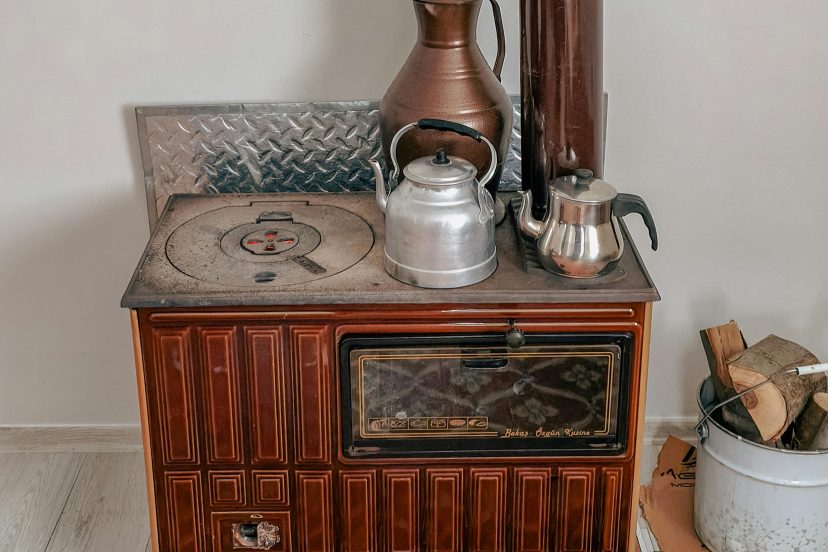
If you already heat with wood, your stove can do double duty.
A wood stove gives you a reliable surface for simmering kettles, frying in cast iron, warming leftovers, and slow-cooking beans or broth. Some models also allow for baking or roasting inside.
This is one of the most practical year-round methods for cold climates because the stove is already running. Instead of using extra fuel somewhere else, you are putting existing heat to work.
The trick is learning your stove’s hot spots. One side may boil fast, while another side gently simmers. Once you know the pattern, cooking gets much easier.
6. Grill Grate Cooking Over Coals
This method sits somewhere between open-fire cooking and backyard grilling. You build a bed of coals, place a grate above it, and cook with more control than direct flame usually allows.
It is great for:
- burgers
- fish
- sliced vegetables
- flatbreads
- toasted sandwiches
Because you are using coals instead of licking flames, you get more even heat. That means fewer burnt outsides and raw centers.
For homesteaders, this is also a smart low-gear option. A simple grate can turn a fire pit into a reliable cooking station.
7. Skillet Cooking on Cast Iron
A heavy cast iron skillet belongs in almost every off-grid kitchen setup. It handles high heat, holds temperature well, and moves easily from stove to fire to grill grate.
That flexibility is exactly why it works so well off-grid.
Use it for:
- eggs
- cornbread
- hash
- pancakes
- sautéed greens
- pan-seared meat
Cast iron also lasts forever if you care for it properly. For homesteaders who value durable tools over disposable gear, that matters.
8. Thermal Retention Cooking
Thermal retention cooking does not get enough love, but it is one of the smartest fuel-saving tricks around.
Here is how it works: you bring food to a boil, then move the covered pot into an insulated container, hay box, or thermal cooker. The retained heat keeps cooking the food slowly without additional fuel.
It works especially well for:
- rice
- oats
- beans
- lentils
- soups
- stews
This method saves fuel because you do not need to keep a flame going for the full cook time. It also frees you up to do other work around the homestead.
For long-cooking foods, that is a real win.
9. Foil Packet Cooking
Foil packet cooking is simple, portable, and wonderfully low mess. You wrap ingredients in foil, place the packets over coals or near steady heat, and let them cook in their own steam and juices.
It works well for:
- sliced potatoes
- onions
- carrots
- fish
- sausage
- chicken with vegetables
This technique is handy when you want easy cleanup or when several people want different meals. Each person can build their own packet.
It is not fancy, but it is practical. And in off-grid life, practical often wins.
10. Tripod and Hanging Pot Cooking
A tripod with a hanging pot is one of the best setups for soups, stews, broths, and large one-pot meals. Because you can raise or lower the pot, you get decent control over cooking intensity.
This method is great for feeding a crowd or using ingredients that need time to soften and develop flavor.
A hanging pot works best when you avoid rushing it. Let the heat do its job. Stir often. Keep the fire steady instead of overly aggressive.
If open-fire cooking is the image most people have in mind, this is the version that actually works well for real meals.
Useful Products for Off-Grid Cooking
Here are five practical tools that make everyday off-grid cooking techniques easier, safer, and more reliable on a homestead.
1. Cast Iron Dutch Oven
Best for baking bread, stews, cobblers, and one-pot meals. Choose a pre-seasoned model with legs and a flanged lid if you plan to use coals on top.
2. Portable Rocket Stove
Best for quick, fuel-efficient outdoor cooking. Look for a stable base, durable metal body, and strong airflow design.
3. Solar Oven
Best for sunny-day slow cooking. A foldable model is handy if you want to save space and cook without fuel.
4. Instant-Read Food Thermometer
Best for safe meat cooking and reheating leftovers. This is one of the easiest upgrades you can make.
5. Heavy Cast Iron Skillet
Best for everyday off-grid meals. It handles everything from eggs to seared meat and cornbread.
Conclusion
Off-grid cooking is not about going backward. It is about staying prepared and in control of how you feed your household, no matter the situation. These off-grid cooking techniques provide reliable options when power or fuel is limited. Start with one method that fits your setup, then build your skills over time. Each technique strengthens your independence and makes daily life more resilient. In the end, dependable cooking skills do more than produce meals—they give you confidence that you can handle whatever comes next.
FAQs
1. What is the easiest off-grid cooking method for beginners?
Dutch oven cooking is often the easiest of off-grid cooking techniques. It is versatile, forgiving, and works for many different meals.
2. Is solar cooking reliable for homesteaders?
It can be very useful on bright days, especially for slow-cooked meals. Still, it works best as part of a larger off-grid cooking setup, not the only method.
3. Are rocket stoves better than open fires?
For many small meals, yes. Rocket stoves usually use less fuel and can offer more focused heat than an open fire.
4. Do I really need a thermometer for off-grid cooking?
Yes. A food thermometer helps you cook meat safely and avoid guesswork, especially outdoors or over uneven heat.
5. Which cookware works best for off-grid cooking?
Cast iron is one of the best choices because it is durable, holds heat well, and works across several off-grid cooking methods.