
5 DIY Natural Cleaning Products For New Homesteaders
We may earn a commission for purchases made using our links. Please see our disclosure to learn more.
If you’re new to homesteading, cleaning your home with fewer harsh products is a simple place to start. Diy natural cleaning products help you save money, reduce waste, and use basic ingredients you may already have, like vinegar, baking soda, lemon, castile soap, and hydrogen peroxide. The goal is not to make cleaning complicated. It is to create a safer, simpler routine that works for everyday messes. In this guide, you’ll learn five easy homemade cleaners, how to use them properly, what to avoid, and which basic supplies can help you build a practical natural cleaning kit.
Why DIY Natural Cleaning Products Make Sense on a Homestead
Diy natural cleaning products help new homesteaders clean with fewer ingredients, less waste, and lower costs. Instead of buying a separate cleaner for every surface, you can use basics like vinegar, baking soda, castile soap, lemon, salt, and hydrogen peroxide for many everyday messes.
They may also be better for indoor air. The American Lung Association notes that some cleaning products can release VOCs and other chemicals that may irritate the eyes, throat, and lungs or contribute to headaches and respiratory issues.
A study of more than 41,000 French adults also found that weekly use of disinfecting wipes was linked with current asthma. Green and homemade cleaning products showed weaker associations after researchers accounted for spray and irritant use.
For new homesteaders, homemade cleaners offer a practical way to reduce harsh products, simplify routines, and keep the home clean. Still, use the right cleaner for each surface, avoid unsafe mixtures, and disinfect properly when needed.
The Basic Ingredients Every New Homesteader Needs
You do not need a complicated “natural cleaning cabinet.” Start with a few basics:
White vinegar helps cut mineral buildup, soap scum, and mild odors.
Baking soda works as a gentle scrub for sinks, tubs, and stovetops.
Castile soap helps clean greasy surfaces without needing a harsh spray.
Lemon adds fresh scent and light acidity.
Salt gives extra scrubbing power.
Hydrogen peroxide can help freshen surfaces, but it needs careful storage because light breaks it down over time.
Reusable cloths, glass spray bottles, labels, and a small brush also make the routine easier. Label everything clearly. Trust me, mystery spray bottles are not charming after week two.
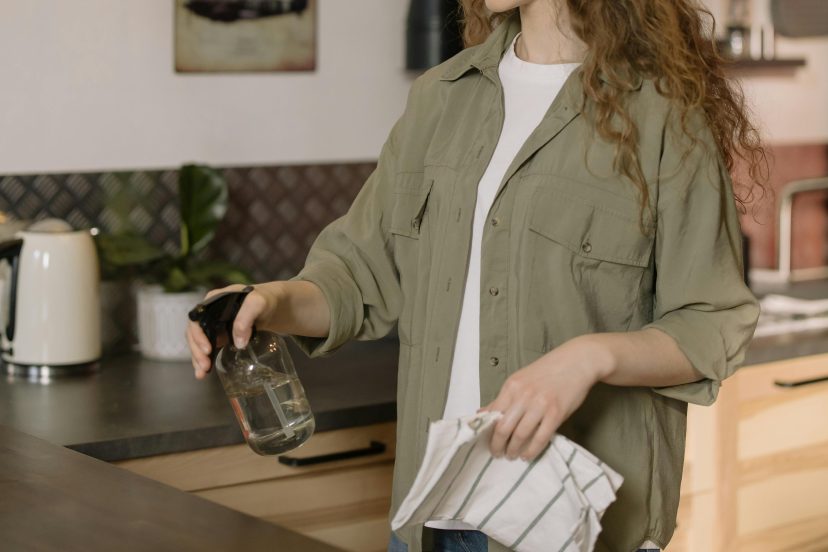
1. All-Purpose Vinegar Cleaning Spray
This is the classic starter recipe for new homesteaders. It works well on many sealed, non-stone surfaces and helps with light grime, fingerprints, and everyday kitchen messes.
You’ll need:
1 cup white vinegar
1 cup water
Optional: lemon peel or a few drops of essential oil
1 clean spray bottle
How to make it:
Pour the vinegar and water into the bottle. Add lemon peel if you want a fresher scent. Let it sit for a day, then use it for counters, cabinet fronts, and washable surfaces.
How to use it:
Spray the surface lightly. Allow the spray to rest briefly, then clean the area with a fresh cloth.
Avoid using vinegar on natural stone, marble, granite, waxed wood, or delicate surfaces. Its acidity can damage finishes.
This spray is especially helpful during food prep season. If you’re freezing produce, canning, or cleaning up after garden harvests, it keeps the kitchen moving. For example, after learning how to freeze tomatoes, you’ll want an easy cleanup spray ready for counters, cutting areas, and sticky tomato drips.
2. Baking Soda Scrub for Sinks, Tubs, and Stovetops
Baking soda deserves a permanent spot in any homestead cleaning basket. It is affordable, widely available, and works better than many people expect.
You’ll need:
½ cup baking soda
Enough water to make a paste
Optional: a few drops of castile soap
How to make it:
Add baking soda to a small bowl. Slowly mix in water until it forms a spreadable paste. For greasy messes, add a few drops of castile soap.
How to use it:
Spread the paste over the dirty area. Leave the paste on the surface for 5 to 10 minutes. Then scrub lightly with a sponge or brush before rinsing thoroughly.
Use it on sinks, tubs, stovetops, tile, and stubborn spots. Avoid using it too aggressively on surfaces that scratch easily.
One important note: people love mixing baking soda and vinegar because it bubbles dramatically. Fun? Yes. Always useful? Not really. The reaction can help loosen debris in some cases, but the two ingredients also neutralize each other. In most cleaning jobs, you’ll get better results by using baking soda first, rinsing, and then using vinegar separately if needed.
3. Castile Soap Surface Cleaner
Castile soap is one of the most useful natural cleaning products for a homestead. It handles grease better than vinegar and feels gentle enough for regular use.
You’ll need:
2 cups warm water
1 tablespoon liquid castile soap
Optional: 5 drops lemon or lavender essential oil
1 spray bottle
How to make it:
Add warm water to the bottle first. Then add castile soap. Shake gently.
How to use it:
Spray on counters, tables, cabinet fronts, or washable walls. Wipe with a damp cloth.
This cleaner works well in kitchens because soap helps lift grease and food residue. It also makes a great quick cleaner for mudroom benches, garden tool handles, and pantry shelves.
Avoid combining castile soap and vinegar in one bottle. The acid in vinegar can break down the soap and leave a cloudy, less effective mixture. Use one or the other.
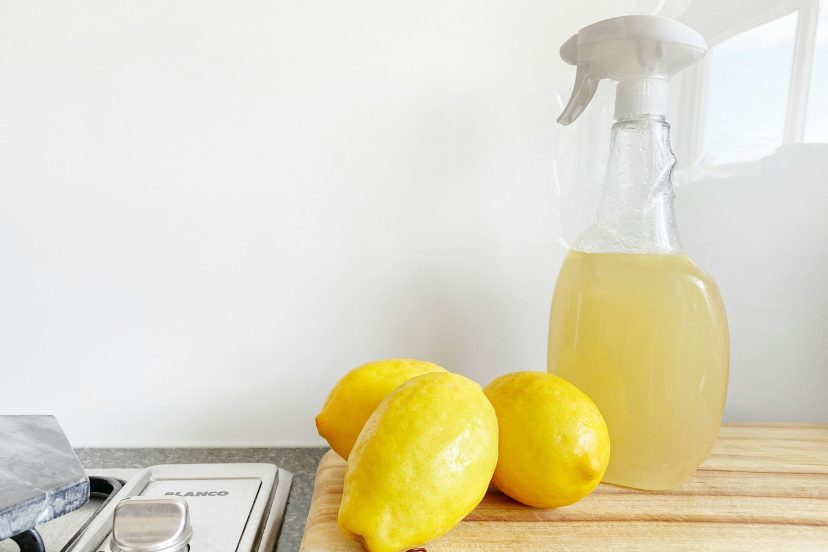
4. Lemon and Salt Scrub for Cutting Boards
This one feels wonderfully old-fashioned in the best way. Lemon and salt make a simple scrub for wooden cutting boards, butcher blocks, and stained kitchen surfaces.
You’ll need:
½ lemon
1 to 2 tablespoons coarse salt
How to use it:
Sprinkle salt over the board. Rub the lemon cut-side down over the surface. Scrub in circles, especially over stains or odors. Let it sit for a few minutes, then scrape or wipe away the salt and rinse lightly.
Dry the board upright so air can move around it.
This method helps freshen cutting boards after chopping onions, garlic, herbs, or tomatoes. It also feels satisfying. There’s something deeply homesteady about cleaning with half a lemon instead of a neon bottle from under the sink.
Still, remember the earlier rule: this is cleaning, not hospital-grade disinfecting. If raw meat touches a board, wash it properly with hot soapy water and follow food safety guidance.
5. Hydrogen Peroxide Freshening Spray
Hydrogen peroxide can be useful for certain household cleaning tasks, especially when you want a fresher surface without chlorine bleach. Many disinfecting products use hydrogen peroxide as an active ingredient, but strength, contact time, and labeling matter.
You’ll need:
3% hydrogen peroxide
Original dark bottle or an opaque spray bottle
How to use it:
Attach a spray nozzle directly to the original bottle if possible. Spray on suitable hard surfaces. Let it sit for several minutes, then wipe.
Never combine hydrogen peroxide and vinegar. Together, they can form peracetic acid, which can irritate skin, eyes, and breathing passages.
Also, do not store hydrogen peroxide in clear glass bottles. Light weakens it, so the brown bottle is not just for looks.
The CDC includes hydrogen peroxide among chemical disinfectants used in specific settings, but home users should follow the label and avoid treating homemade mixtures like registered disinfectants.
Recommended Products for Your Natural Cleaning Kit
Here are five practical product ideas for new homesteaders building a simple natural cleaning shelf.
1. Sally’s Organics Glass Spray Bottles– Great for vinegar sprays, castile soap cleaners, and labeled homemade mixtures. Glass bottles also look tidy on open shelves.
2. Dr. Bronner’s Pure-Castile Liquid Soap– A versatile soap for surface cleaners, handwashing areas, and general homestead use. Choose unscented if you prefer fewer fragrances.
3. Arm & Hammer Baking Soda– A budget-friendly staple for scrubbing sinks, deodorizing, and making quick cleaning pastes.
4. Utopia Towels Microfiber Cleaning Cloths– Reusable cloths cut down on paper towel waste and work well for counters, mirrors, cabinets, and dusting.
5. Harris Cleaning Vinegar– A stronger vinegar option for tough cleaning jobs. Use it carefully and avoid stone, delicate finishes, and surfaces that react badly to acid.
Final Thoughts
Diy natural cleaning products give new homesteaders a simple way to make daily home care feel more intentional. You can clean counters with vinegar, scrub sinks with baking soda, freshen cutting boards with lemon and salt, and use castile soap for everyday grease and grime. Just remember the difference between cleaning and disinfecting, label your bottles, and avoid risky ingredient combinations. Start small, test surfaces first, and build a cleaning shelf that feels useful instead of overwhelming. Your homestead does not need to smell like a chemical aisle to feel clean, cozy, and cared for.
FAQs
1. Are DIY Natural Cleaning Products safe for every surface?
No. Vinegar can damage natural stone, marble, granite, waxed wood, and some finishes. Baking soda can scratch delicate materials if you scrub too hard. Test the cleaner on a small, out-of-sight area before using it on the full surface.
2. Can vinegar disinfect my kitchen counters?
Vinegar can clean dirt, grease, and some buildup, but it is not the same as an EPA-registered disinfectant. Use proper disinfecting products when someone is sick or when surfaces need germ-killing power.
3. What is the best natural cleaner for beginners?
A simple vinegar-and-water spray is a great starting point for everyday cleaning. Add baking soda and castile soap to your kit, and you can handle most basic homestead messes.
4. Can I mix vinegar and baking soda in one bottle?
No. They react, bubble, and mostly neutralize each other. Use baking soda as a scrub first, rinse it away, and then use vinegar separately if needed.
5. Do I need essential oils in homemade cleaners?
No. Essential oils are optional. They can add scent, but they may bother sensitive people or pets. If you use them, add only a few drops and keep the room well ventilated.