Seasonal Planting Ideas For A Year-Round Garden
We may earn a commission for purchases made using our links. Please see our disclosure to learn more.
Want fresh food from your garden in more than just summer? A year-round garden helps you plan each season with purpose, from spring greens and summer tomatoes to fall roots and winter-hardy crops. Instead of planting once and waiting, you can rotate crops, protect beds, improve soil, and keep harvests coming longer. You’ll learn how to choose seasonal crops, plan smarter planting windows, use helpful tools, and make your garden more productive through every season.
Why a Year-Round Garden Starts With Seasonal Planning
A productive garden follows the seasons, not the gardener’s mood. Spring favors cool-weather crops. Summer loves heat-loving vegetables. Fall brings another chance for greens, roots, and brassicas. Winter rewards gardeners who plan ahead with covers, cold frames, mulch, and hardy crops.
This seasonal approach matters because plants have different temperature needs. Penn State Extension explains that many cool-season crops can grow in early spring and again in fall, giving gardeners two useful planting windows in one year.
So, instead of thinking, “What should I plant this weekend?” think, “What does this season want from me?”
That small mindset shift changes everything.
Know Your Growing Zone Before You Plant
Before you plan a year-round garden, check your growing zone and frost dates. The USDA Plant Hardiness Zone Map helps gardeners understand which perennial plants are most likely to survive winter in a specific location. It uses average annual extreme minimum winter temperatures to divide areas into zones.
However, your zone is only part of the story. Frost dates matter just as much for vegetables. Your last spring frost tells you when tender crops can safely go outside. Your first fall frost tells you how long your warm-season crops have left.
For homesteaders, this information helps you plan seed starting, transplanting, fall sowing, and winter protection. It also keeps you from planting tomatoes too early because one sunny afternoon fooled you. We have all been there. The garden gets us every time.
Spring Planting Ideas for a Fresh Start
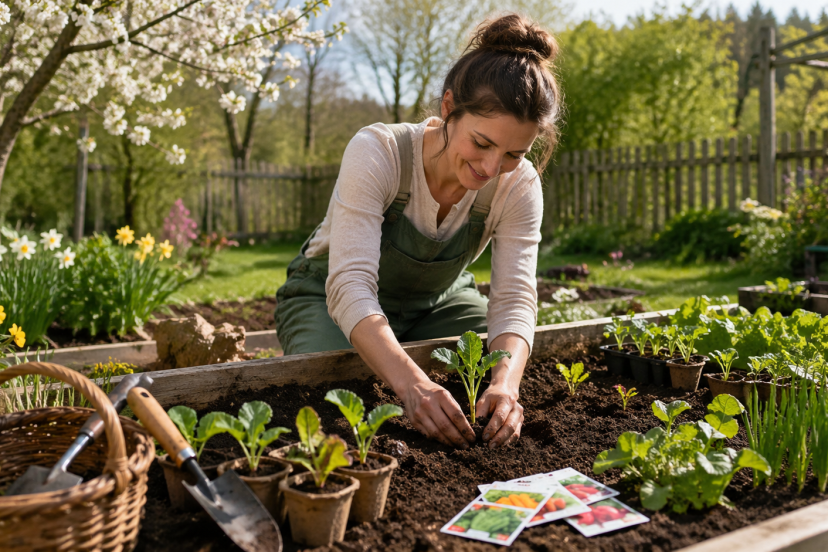
Spring is the season of optimism. The soil warms, the days stretch longer, and every seed packet suddenly looks necessary.
Start with cool-season crops such as lettuce, spinach, peas, kale, radishes, carrots, beets, onions, and broccoli. These crops enjoy mild weather and often struggle once summer heat arrives.
A smart spring plan includes:
- Direct-sowing quick crops like radishes and lettuce
- Starting tomatoes, peppers, and eggplants indoors
- Planting peas near a trellis
- Adding compost before heavy feeders go in
- Keeping row cover nearby for surprise cold snaps
You can also plant herbs like parsley, cilantro, chives, and dill. These grow beautifully in cooler spring weather and give your kitchen that “I have my life together” feeling, even if there are muddy boots by the door.
Summer Planting Ideas for Heavy Harvests
Summer brings the loud part of the garden. Tomatoes climb, squash sprawls, peppers shine, cucumbers race up trellises, and beans seem to appear overnight.
For summer, focus on warm-season crops such as:
- Tomatoes
- Peppers
- Eggplant
- Cucumbers
- Zucchini
- Beans
- Corn
- Melons
- Basil
This is also the season to water deeply, mulch generously, and harvest often. Picking vegetables regularly encourages many plants to keep producing.
Still, do not let summer trick you into forgetting fall. While your tomatoes are thriving, start planning your next round of cool-season crops. Maryland Extension explains that succession planting often means using the same bed in stages: starting with cool-weather vegetables, switching to heat-loving crops in summer, and finishing the season with another round of cool-season plants or a cover crop.
That is how a summer garden becomes a year-round garden.
Fall Planting Ideas for Extended Production
Fall might be the most underrated season in the homestead garden. The weather cools, pests slow down, and many crops taste better after light frost.
Great fall crops include:
- Kale
- Spinach
- Lettuce
- Swiss chard
- Carrots
- Beets
- Turnips
- Radishes
- Broccoli
- Cabbage
- Garlic
Start fall seeds while summer still feels hot. That sounds strange, but many fall crops need time to mature before days get too short. Late summer sowing gives them a head start.
Use shade cloth or light mulch to protect tender seedlings from heat. Then, as fall settles in, switch to row covers or low tunnels when nights get cold.
Garlic also deserves a spot in your fall plan. Plant cloves before the ground freezes, mulch them well, and let them sleep through winter. By next summer, you get one of the easiest and most satisfying harvests on the homestead.
Winter Planting Ideas for Cold-Season Growing
Winter gardening depends on your climate, but almost every homesteader can do something during the cold months.
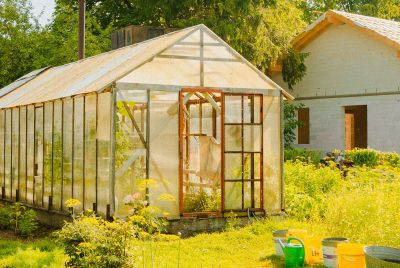
In mild climates, you may grow greens, herbs, carrots, onions, and brassicas outdoors. In colder regions, you can use cold frames, hoop tunnels, mulch, greenhouses, or indoor seed-starting shelves.
Winter-friendly crops include:
- Spinach
- Mache
- Kale
- Claytonia
- Parsley
- Green onions
- Carrots under mulch
- Garlic already planted in fall
You can also use winter as a planning season. Review what worked. Note what failed. Sort seeds. Map beds. Clean tools. Build compost. Dream dangerously over seed catalogs.
A year-round garden is not always about harvesting every day. Sometimes, it is about keeping the cycle alive.
Succession Planting: The Secret to Ongoing Harvests
Succession planting keeps your garden from having one big harvest and then silence.
West Virginia University Extension explains that succession planting helps maximize yield through strategic timing. You can begin the season with crops that like cooler weather, move into summer vegetables once temperatures rise, and plant fall-friendly crops when the heat fades. Another method is planting smaller amounts of the same crop every few weeks for a steady harvest.
Try this simple pattern:
- Plant lettuce every two weeks in spring.
- Plant bush beans every two to three weeks in summer.
- Plant radishes and greens again in late summer.
- Plant garlic in fall for next year.
This method works beautifully for homesteaders because it spreads out the work. You do not have to preserve 40 pounds of beans in one exhausted weekend unless you enjoy chaos as a lifestyle.
Use Raised Beds to Make Seasonal Gardening Easier
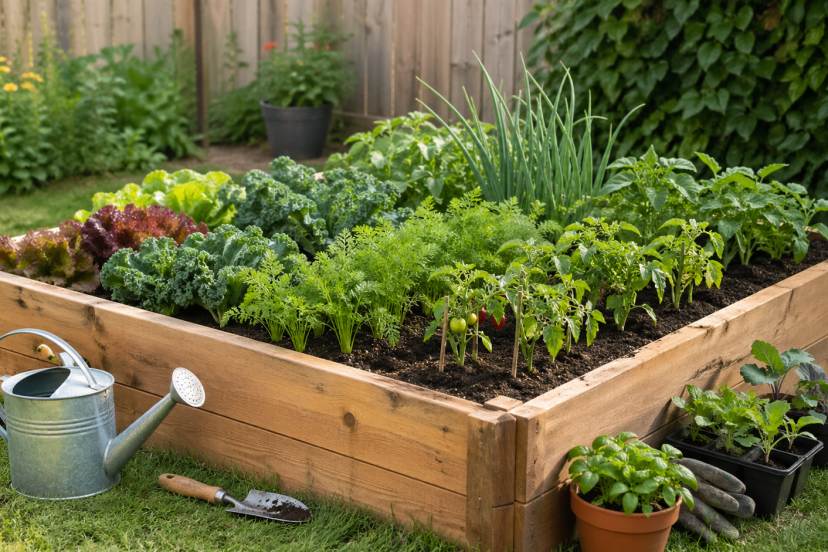
Raised beds can make seasonal planting much easier, especially if your soil drains poorly, compacts easily, or warms slowly in spring.
University of Minnesota Extension notes that raised beds should sit near water access and receive the right amount of light for the crops you want to grow.
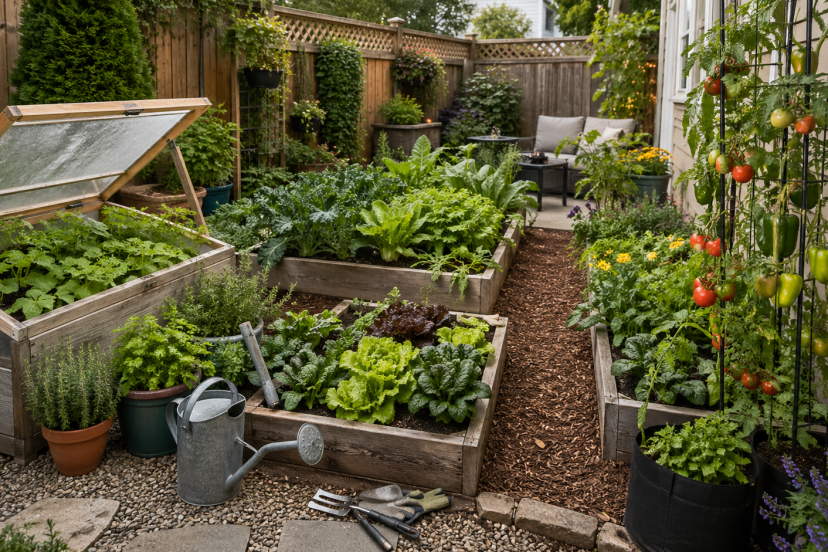
Raised beds also help you organize crops by season. For example, one bed can hold spring greens, then summer peppers, then fall spinach. Another bed can rotate peas, cucumbers, and garlic.
If you want to build your own setup, this helpful guide on a DIY raised garden bed is a natural place to start.
Best Crops for a Year-Round Garden
A strong year-round garden needs variety. You want fast crops, long-season crops, storage crops, and cold-hardy crops.
Here are useful options by category:
Fast crops: radishes, lettuce, arugula, spinach, baby kale
Warm-season crops: tomatoes, peppers, beans, cucumbers, squash
Storage crops: carrots, potatoes, onions, garlic, winter squash
Cold-hardy crops: kale, spinach, mache, leeks, parsley
Soil-building crops: clover, rye, oats, peas, vetch
For homesteaders, storage crops matter a lot. Fresh salads are lovely, but onions, garlic, potatoes, carrots, and squash carry the pantry through slower months.
Soil Health Tips for Every Season
A year-round garden asks a lot from the soil. If you keep planting, harvesting, and replanting, you need to feed the ground too.
Add compost between crops. Rotate plant families. Mulch bare soil. Avoid walking in beds. Use cover crops when a bed needs rest.
Iowa State University Extension explains that cover crops can improve soil structure, add organic matter, support beneficial microbes, reduce erosion, and increase water-holding capacity.
Think of soil like a pantry. You cannot keep taking food out without restocking it.
Recommended Products for Seasonal Planting
Here are five practical product types to include in a homesteader’s seasonal planting setup:
- Seed Starting Tray With Humidity Dome – Great for starting spring and fall crops indoors before transplanting.
- Garden Row Cover or Frost Blanket – Useful for protecting seedlings from frost, wind, pests, and sudden weather swings.
- Soil Thermometer – Helps you plant based on soil temperature instead of guesswork.
- Galvanized Raised Garden Bed Kit – Perfect for organized seasonal rotation and easier soil control.
- Seed Organizer or Garden Planner – Helps track sowing dates, harvest windows, crop rotations, and seed inventory.
How Seasonal Gardening Supports Better Harvests
A year-round garden can help families grow and eat more fresh produce. One study on community gardening and vegetable intake found that gardeners ate more vegetables, especially during harvest season.
Another study on year-round homestead garden production found that using different home spaces, such as rooftops, trellises, fences, sunny spots, and shaded areas, helped households grow more vegetables and improve food security. For homesteaders, this shows how smart seasonal planting can turn small spaces into steady food sources.
Conclusion
A year-round garden is built one season at a time. When you match crops to the weather, refresh your soil, rotate plantings, and protect your beds when temperatures shift, your garden becomes more dependable and less stressful to manage. You do not need a huge homestead or a perfect setup to begin. Start with a few seasonal crops, learn your frost dates, use your space wisely, and improve as you go. With a little planning, your garden can become a steady source of fresh food, confidence, and self-sufficiency all year long.
FAQs
1. What is a year-round garden?
A year-round garden is a garden planned to produce food across multiple seasons. It uses cool-season crops, warm-season crops, succession planting, season extension, and soil-building methods.
2. What should I plant first in a year-round garden?
Start with easy cool-season crops like lettuce, spinach, radishes, peas, carrots, and kale. These grow well in spring and often return again in fall.
3. How do I keep my garden productive after summer?
Start fall crops in late summer. Plant greens, carrots, beets, broccoli, cabbage, kale, and garlic. Use row covers when temperatures drop.
4. Are raised beds good for seasonal planting?
Yes. Raised beds make crop rotation, soil improvement, drainage, and seasonal planning easier. They also help organize small homestead spaces.
5. What is the best way to improve soil for year-round gardening?
Add compost, rotate crops, mulch bare soil, avoid compaction, and use cover crops during off-seasons. When your soil stays healthy, your plants usually grow stronger and produce more.