How To Create a Pantry Inventory System for Long-Term Storage
We may earn a commission for purchases made using our links. Please see our disclosure to learn more.
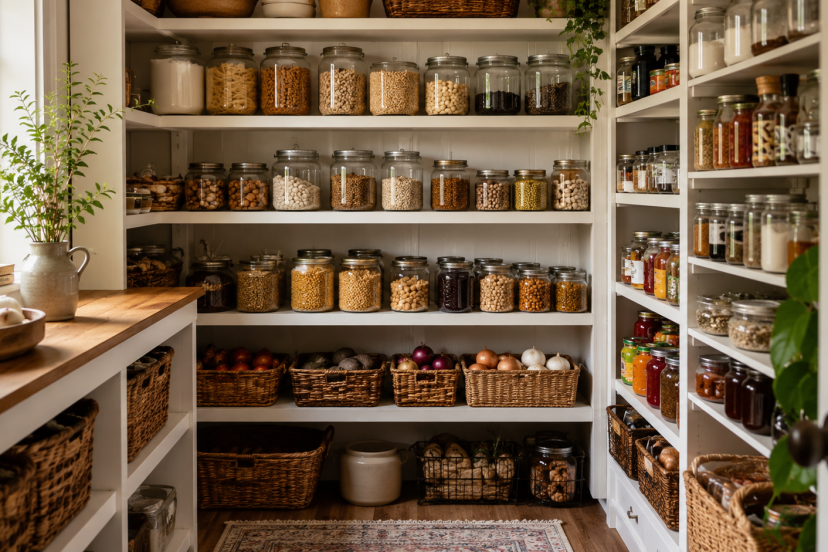
Long-term food storage only works if you can keep track of what you have. Without a clear pantry inventory system, it is easy to lose food in the back of shelves, forget older items, and waste money on duplicates. For homesteaders, that can turn a well-stocked pantry into a source of frustration instead of security. A simple system helps you stay organized, rotate food properly, and make better use of your storage space. This article explains how to create a pantry inventory system that is practical, easy to maintain, and built for long-term storage.
Why a Pantry Inventory System Matters for Long-Term Storage
Long-term storage is about more than buying extra food. It is about keeping that food organized, protected, and easy to rotate.
A good pantry inventory system helps you do four important things:
- know what you already have
- avoid overbuying
- use older items before newer ones
- catch storage problems before they waste food
That last point matters more than many people realize. Storage conditions affect both quality and shelf life. The National Center for Home Food Preservation recommends keeping dried foods in cool, dry, dark conditions because heat shortens storage life. Utah State University Extension also notes that oxygen absorbers and oxygen-barrier packaging can help extend shelf life for properly dried foods.
In simple words, inventory is not busywork. It is how you make sure your stored food is still worth having when you need it.
What a Good Pantry Inventory System Actually Looks Like
Before you start labeling jars or printing checklists, it helps to know what you are building.
A practical pantry inventory system should be:
Easy to update
If it takes too much effort, you will stop using it. The best system is usually the one that lets you update items in under a minute.
Clear at a glance
You should be able to walk into your pantry and answer basic questions fast. How much rice do you have? Which flour is oldest? Are you low on salt? You should not need to dig for answers.
Built around rotation
Long-term storage only works if you use and replace food in a steady cycle. Your system should make first-in, first-out rotation obvious.
Flexible enough for real homestead life
Harvest season, bulk buying, preserving projects, and weekly cooking all hit your pantry differently. Your system needs room for that ebb and flow.

Step 1: Divide Your Pantry Into Storage Zones
Start by grouping similar items together. This sounds simple, but it is where most pantry problems begin or end.
Create zones such as:
- grains and rice
- beans and legumes
- baking ingredients
- canned meats and vegetables
- freeze-dried or dehydrated foods
- spices and seasonings
- oils and sweeteners
- home-canned goods
- emergency grab-and-go foods
This gives structure to your pantry inventory system right away. It also makes restocking easier because every item has a home.
If you store feed supplements or farm-related dry goods nearby, keep those separate from human food. That is especially helpful if your storage room does double duty. If you manage feed at home too, it helps to follow organized storage habits similar to those used when storing layer feed for backyard chickens, where freshness, moisture control, and rotation matter.
Step 2: Pick a Tracking Method You Will Actually Stick With
You have three solid options, and none of them is wrong.
Paper inventory sheet
This works well if you want something simple and visible. Keep a clipboard, notebook, or laminated checklist right inside the pantry door.
This method is great for people who do not want another app in their life.
Spreadsheet
A spreadsheet gives you more detail. You can track quantity, package size, dates, storage location, and reorder points. It is useful if you store a lot of bulk food or want tighter control over your supply.
Pantry app
An app can work well if you always have your phone nearby and like digital reminders. Still, for many homesteaders, paper or a basic spreadsheet is faster and less annoying.
The smartest move is to choose one main system, not three half-finished ones. Your pantry inventory system should live in one place, even if you keep a backup copy.
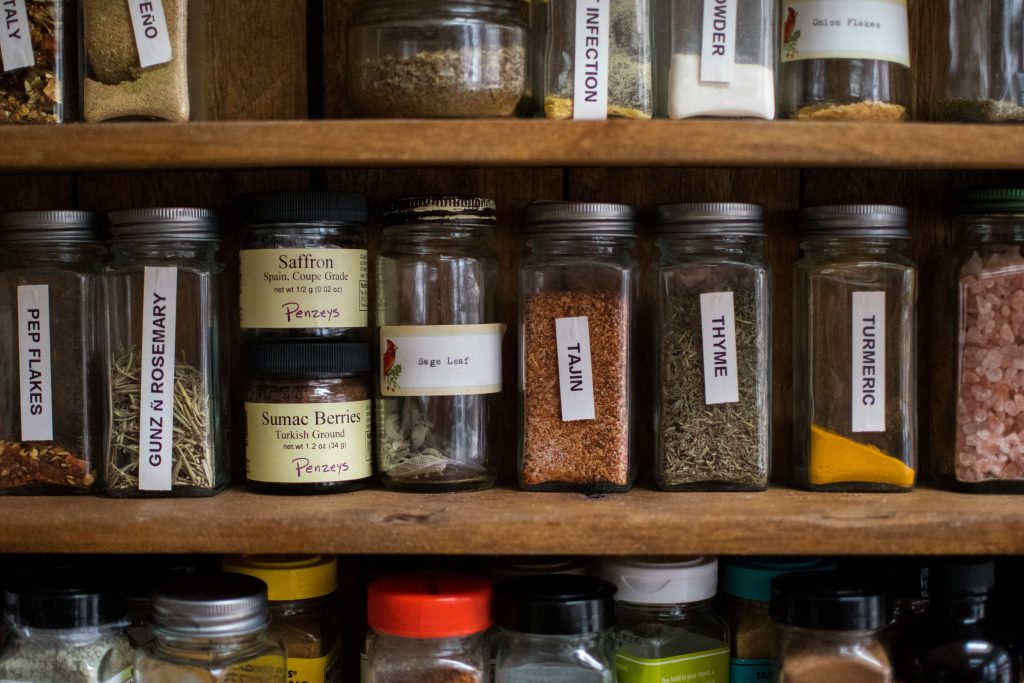
Step 3: Label Everything the Same Way
Consistency is what makes the whole setup work.
Every container, bucket, jar, or bin should include:
- item name
- packaging or refill date
- best-by or estimated use-by date
- batch number if you preserve large amounts
For example, instead of writing “beans,” write:
Pinto Beans | Packed March 2026 | Use First | Bucket A
That label tells you exactly what you need to know.
If you repackage dry goods into Mylar bags, jars, or smaller bins, never assume you will remember what is inside later. You will not. Label it now and save yourself the mystery bucket problem six months from now.
Step 4: Track Quantity in a Way That Makes Sense
Do not make this harder than it needs to be.
For most homesteads, the easiest way is to track food by one of these:
- number of containers
- pounds or kilos
- quarts or gallons
- approximate meals
Meals can be surprisingly helpful. Instead of saying you have 25 pounds of oats, you may find it more useful to know that equals a certain number of breakfasts for your household.
Set a minimum stock level for each staple. Once you hit that number, it goes on your buy or refill list.
For example:
- rice: restock when down to 10 pounds
- black beans: restock when only 4 jars remain
- flour: refill when one unopened bag is left
That turns your pantry inventory system from a record-keeping tool into a decision-making tool.
Step 5: Use First-In, First-Out Every Time
This is one habit that saves money fast.
With the first-in, first-out method, you place the oldest food where it is easiest to reach and store newer items behind it. That way, the oldest food gets used first without you having to think too hard.
How to make FIFO easier
- place new stock at the back of the shelf
- keep matching foods together
- store open containers separately from sealed backstock
- use shallow shelves or bins so nothing disappears in the rear
You do not need a fancy can rack unless you want one. Even a basic shelf can work if you stay consistent.
Step 6: Store for Shelf Life, Not Just for Looks
A pretty pantry is nice. A safe pantry is better.
The FDA recommends storing unopened shelf-stable foods in a cool, dry place away from heat sources, moisture, and temperature swings. That means not over the stove, not under the sink, and not in damp outbuildings unless conditions are controlled.
For long-term dry storage, packaging matters too. Utah State University Extension advises using oxygen absorbers with suitable oxygen-barrier packaging for dry foods and notes that light, moisture, and oxygen can shorten storage quality.
Here are the basics:
Best places for long-term pantry storage
- cool interior closets
- basement shelves with low humidity
- dedicated pantry rooms
- food-safe buckets stored off concrete floors
Places to avoid
- hot garages
- sheds with temperature swings
- damp laundry rooms
- spots exposed to direct sunlight
A pantry inventory system works best when your storage environment supports it. Tracking food is only half the job. Storing it well is the other half.
Step 7: Create a Simple Pantry Check Routine
You do not need to audit your pantry every weekend.
Instead, use a rhythm like this:
Weekly
Check open items, low-stock staples, and anything used often.
Monthly
Update totals, rotate older goods forward, and inspect for leaks, pests, or damaged packaging.
Seasonally
Do a full review. This is the best time to reorganize after harvest season, bulk shopping trips, or a major preserving session.
A monthly reset is usually enough to keep a pantry inventory system accurate without turning it into a chore.
Common Mistakes That Make Pantry Inventory Fail
A lot of pantry systems break down for the same reasons.
Tracking too much detail
If every update feels like bookkeeping, you will quit. Track what matters most.
Not labeling repackaged food
This leads to confusion, waste, and bad rotation.
Mixing short-term groceries with long-term reserves
Keep everyday use and deep storage connected, but clearly separated.
Ignoring storage conditions
Even the best list will not save food that is stored in heat or humidity.
Never setting reorder points
If you wait until you are out, your system is not helping you plan ahead.
Helpful Tools for Pantry Organization
These are practical tools that can make your setup easier, especially if you are organizing both daily-use pantry goods and longer-term dry storage.
- Rubbermaid Brilliance Pantry Food Storage Containers – Good for frequently used staples like flour, sugar, oats, and pasta.
- Vtopmart Airtight Food Storage Containers Set – Useful if you want matching containers and a cleaner shelf layout.
- Wallaby Mylar Bags with Oxygen Absorbers – A solid option for repackaging dry foods intended for longer storage.
- Gamma2 Gamma Seal Lid – Helpful for food-safe buckets you open often, since it makes access easier than prying off standard lids.
- Brother P-touch Cube Label Maker – Great for keeping labels readable and consistent across bins, jars, and buckets.
Choose tools that support your system, not tools that make it more complicated. A pantry inventory system should feel easier after you buy supplies, not harder.
Conclusion
A pantry inventory system is one of the simplest ways to make long-term storage more useful and less wasteful. When you organize your pantry into clear zones, label items consistently, track what you have, and rotate food on purpose, you create a system that supports both daily meals and long-term preparedness. The goal is consistency. With a practical routine in place, your pantry becomes easier to manage, easier to restock, and far more reliable when you need it most.
FAQs
1. What is the best way to start a pantry inventory system?
Start by grouping your food into categories, throwing out anything damaged or expired, and choosing one tracking method such as a paper list or spreadsheet. Then label everything clearly and set simple reorder points.
2. How often should I update my pantry inventory?
A quick weekly check works well for frequently used foods. A more complete review once a month is usually enough for most households.
3. Should I track expiration dates or packing dates?
Track both when possible. Packing dates help with rotation, while best-by dates help you decide what to use first.
4. Can I use a pantry inventory system for home-canned food too?
Yes. In fact, you should. Record the item name, batch or canning date, and shelf location so jars are easy to rotate and inspect.
5. What foods work best for long-term pantry storage?
Dry staples like rice, beans, oats, pasta, sugar, salt, and properly packaged dehydrated foods are common choices. Shelf life depends heavily on moisture, heat, light, oxygen exposure, and packaging quality.