Raising Ducks on a Small Homestead
We may earn a commission for purchases made using our links. Please see our disclosure to learn more.
Raising ducks is a great way to bring fresh eggs, natural pest control and loads of personality to your farm or homestead. With proper care, even a small flock of ducks can do well on many backyards and small farms. Ducks are not chickens, and they do have different requirements. They need water for washing their bills, they produce wetter living conditions, and they also thrive with a good setup. This is just the basics to help you raise ducks successfully and keep them healthy and happy on a small homestead.
Is Raising Ducks Right for Your Homestead?
You don’t need a big pond or a couple of acres to keep ducks. Plenty of small homesteads — and even some generous-sized city backyards — can keep a little flock.
Ducks need five basic things:
- Safe, predator-proof housing
- Clean drinking and bathing water
- Quality feed
- Shade and ventilation
- Daily care and attention
One of the greatest benefits to raising ducks is that they are very helpful around the home. They are enthusiastic hunters of slugs, snails, flies and other pests of the garden, and they lay eggs bigger and more flavourful than those of the hen.
However, ducks also come with a few challenges. They splash water everywhere, track mud through their living space, and require more frequent cleaning than many first-time keepers expect.
For most beginners, starting with three to five ducks provides enough companionship without creating too much work.
Choose the Right Duck Breed
Not every duck breed serves the same purpose. Before buying ducklings or raising ducks, decide what you want from your flock.
Best Egg-Laying Ducks
If fresh eggs are your priority, these breeds are excellent choices:
- Khaki Campbell – One of the most productive laying breeds.
- Welsh Harlequin – Friendly, attractive, and dependable layers.
- Indian Runner – Excellent egg producers known for their upright posture and energetic personalities.
Best Dual-Purpose Ducks
If you want ducks for both eggs and meat, consider:
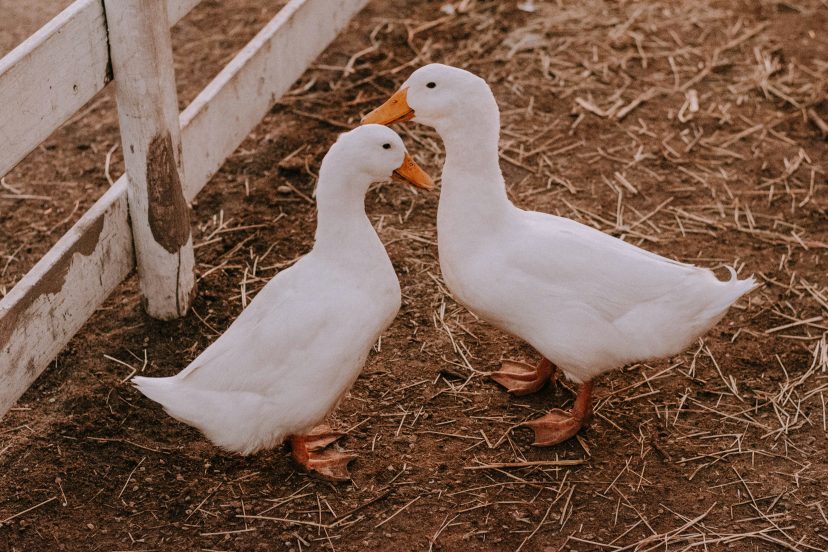
- Pekin – Fast-growing, calm, and one of the most popular homestead breeds.
- Silver Appleyard – A hardy breed valued for both meat production and egg laying.
Best for Quiet Neighborhoods
If you have nearby neighbors, Muscovy ducks are worth considering. Unlike most ducks, they communicate with gentle hisses instead of loud quacks.
Before purchasing any breed, check local ordinances. Some communities limit flock sizes or have restrictions on keeping poultry.
Consider Your Climate
Climate plays an important role when choosing ducks.
Many breeds handle cold weather surprisingly well as long as they stay dry and have protection from wind. During winter, clean bedding and unfrozen drinking water are usually more important than additional heat.
Hot climates require different preparations. Heavy breeds may struggle in extreme heat, so provide plenty of shade, fresh water, and good airflow throughout the day.
Choosing a breed that matches your local climate makes year-round care much easier.
Plan Your Flock Before Bringing Ducks Home
It’s easy to fall in love with fluffy ducklings at the feed store, but remember—they grow fast.
Before buying your birds, ask yourself:
- Do I have enough housing?
- Is my fencing predator-proof?
- Can I keep water clean every day?
- Do I have enough space for adult ducks?
If you plan to keep both males and females, maintain a healthy ratio. One drake should have several hens to prevent excessive mating, which can stress or injure females.
Whenever possible, buy ducklings from a reputable hatchery or breeder. Healthy ducklings should be alert, active, and steady on their feet.
Build a Safe and Comfortable Duck House
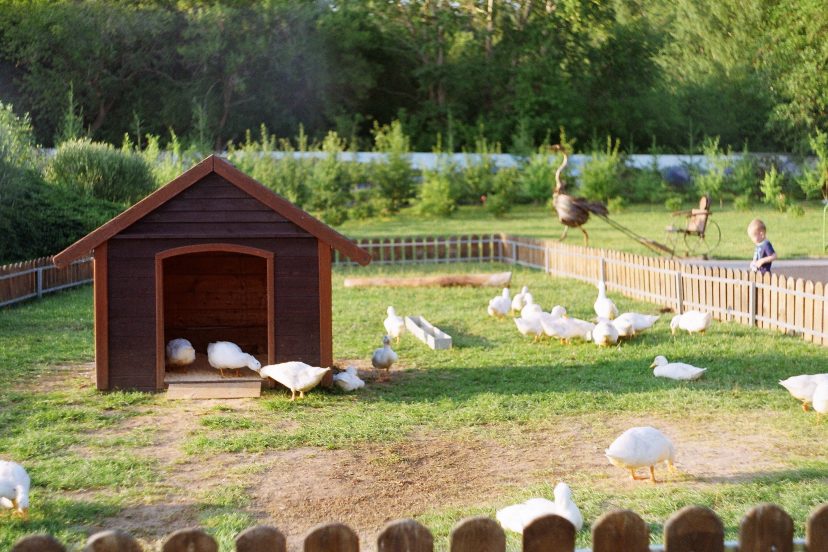
Unlike chickens, ducks don’t roost. They prefer sleeping on the ground, so their shelter should have a dry floor covered with clean bedding.
Your duck house should provide:
- Good ventilation
- Protection from rain and wind
- Predator-proof construction
- Plenty of floor space
- Easy access through a low doorway or gentle ramp
Good airflow helps reduce moisture and ammonia buildup without exposing ducks to cold drafts.
At night, always lock ducks inside a secure shelter. Raccoons, foxes, stray dogs, and other predators can easily attack an unprotected flock.
For extra security, use hardware cloth instead of standard chicken wire. Hardware cloth is much stronger and better at keeping predators out.
Give Ducks the Water They Need
Water is one of the biggest differences between raising ducks and raising chickens.
Ducks don’t need a pond, but they do need water that’s deep enough to submerge their entire bill. This helps them clean their nostrils and eyes while supporting normal grooming behavior.
It’s helpful to provide two separate water sources:
- A clean drinking station
- A deeper tub for bathing and splashing
Keeping these separate helps drinking water stay cleaner throughout the day.
Place bathing containers outside the coop whenever possible. Ducks splash constantly, and indoor water quickly turns bedding into a soggy mess.
Refreshing water daily—and scrubbing containers regularly—helps reduce bacteria and keeps your flock healthier.
Feed Ducks According to Their Age
A balanced diet is one of the easiest ways to keep ducks healthy.
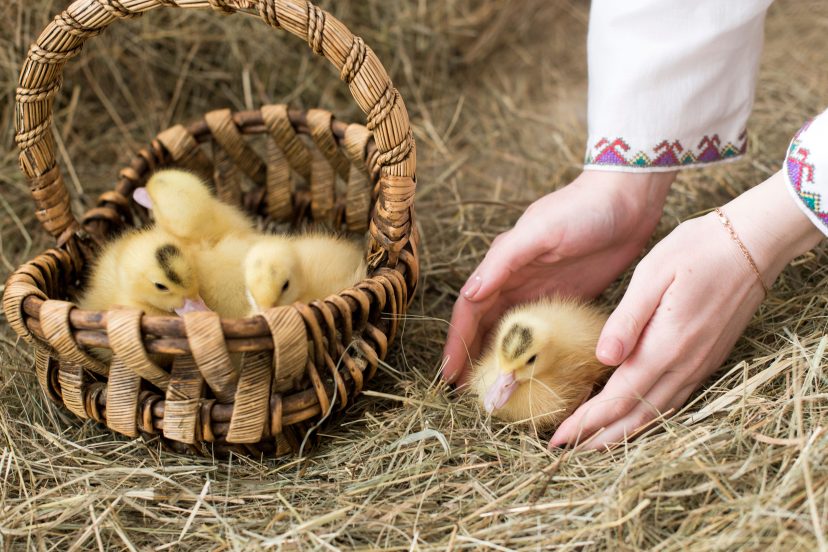
Ducklings should start on a quality waterfowl starter feed that supports rapid growth. As they mature, switch to an appropriate grower feed and eventually a layer feed once hens begin laying eggs.
If waterfowl feed isn’t available and you’re using chick starter, make sure it provides enough niacin. Ducklings need more niacin than chicks, and a deficiency can cause weak legs and poor development.
Store feed in sealed containers to keep it fresh and protect it from rodents.
If your ducks spend time grazing on grass or eating vegetables, offer insoluble grit to help them digest fibrous foods. Laying hens should also have access to an appropriate calcium source for strong eggshells.
Treats are perfectly fine—but only in moderation. Leafy greens, peas, lettuce, cucumbers, and chopped vegetables make excellent snacks, but they shouldn’t replace a balanced commercial diet.
A simple feeding routine helps prevent waste and keeps your flock in good condition throughout the year.
Raise Healthy Ducklings
Ducklings grow quickly, but they also need extra care during their first few weeks.
A brooder should provide enough space for ducklings to move around while staying warm and dry. Many keepers prefer a brooder heating plate because it creates a comfortable resting area without heating the entire enclosure.
Water is often the biggest challenge. Ducklings love to play in it, which means wet bedding is almost guaranteed. Placing the waterer on a raised wire platform or tray helps contain spills and keeps the brooder cleaner.
Choose absorbent bedding with good traction, such as pine shavings or other poultry-safe materials. Avoid slick surfaces like newspaper, which can cause leg problems in young birds.
While ducklings enjoy water, they should only have supervised swimming sessions until they develop their waterproof feathers. Young ducklings can become chilled surprisingly quickly.
Create a Simple Daily Routine
A consistent routine keeps your ducks healthy and makes problems easier to spot.
Each morning:
- Refresh drinking and bathing water.
- Refill feeders.
- Let the flock out if they’re kept in a coop overnight.
- Quickly observe each bird for signs of illness or injury.
Healthy ducks should have:
- Bright, alert eyes
- Clean nostrils
- Smooth breathing
- A steady walk
- Healthy feathers
- A good appetite
In the evening:
- Collect eggs.
- Remove wet bedding if needed.
- Count your ducks.
- Lock the coop before dark.
Spending just a few minutes observing your flock each day helps you catch health issues before they become serious.
Keep Mud Under Control
If there’s one thing ducks excel at besides splashing, it’s creating mud.
While some muddy areas are unavoidable, a few simple changes can keep your homestead from turning into a swamp.
Place bathing tubs away from the coop entrance and high-traffic areas. Adding gravel, coarse wood chips, or other well-draining materials around water stations helps reduce standing mud.
If your ducks free-range, rotating grazing areas allows grass to recover and prevents heavily worn patches.
Inside the coop, replace wet bedding regularly. Damp bedding creates odors, encourages bacteria, and can lead to respiratory problems if ignored.
A dry coop is one of the easiest ways to keep ducks healthy.
Prepare for Every Season
Ducks are hardy birds, but seasonal weather still requires a few adjustments.
Winter Care
Most adult ducks tolerate cold weather well as long as they have:
- Dry bedding
- Protection from wind
- Plenty of fresh drinking water
If temperatures regularly drop below freezing, a heated poultry waterer can prevent water from icing over.
Check the coop for leaks before winter arrives, replace damp bedding often, and make sure predators can’t take advantage of damaged fencing.
Summer Care
Hot weather can be more stressful than cold.
Provide plenty of shade, fresh drinking water, and good airflow during warm months. Refill water containers throughout the day since ducks quickly muddy them.
If a duck appears weak, pants with its bill open, or struggles to stand, move it to a cool, shaded area immediately and contact a veterinarian if symptoms continue.
Watch for Common Health Problems
Healthy ducks are active, curious, and eager to eat.
If you’re raising ducks, keep an eye out for signs that something isn’t right, including:
- Limping
- Swollen feet
- Dirty nostrils
- Weight loss
- Diarrhea
- Poor feather condition
- Sudden drops in egg production
Check your ducks’ feet regularly for cuts, swelling, or dark scabs that may indicate bumblefoot.
Whenever you introduce new birds, quarantine them for a few weeks before adding them to your existing flock. Doing this helps protect your flock from potential illnesses.
Good sanitation, clean water, and quality nutrition go a long way toward preventing many common health problems.
Essential Products for Raising Ducks
1. RentACoop Adjustable Chick Brooder Heating Plate
Provides a safe, adjustable heat source for ducklings without using a traditional heat lamp.
2. Harris Farms Galvanized Hanging Poultry Feeder
Keeps feed cleaner while reducing waste and contamination.
3. Little Giant 3-Gallon Plastic Poultry Waterer
A durable waterer designed to provide fresh drinking water for small flocks.
4. Premium Poultry Bedding
An absorbent bedding option that helps keep duck housing cleaner and drier.
5. Premier 1 All-Season Heated Poultry Waterer
Prevents drinking water from freezing during cold weather, making winter care much easier.
Final Thoughts
Raising ducks on a small farm is more manageable than most expect. With a safe shelter, access to clean water, a balanced diet and a simple day-to-day routine, a small flock can easily manage over years. Just begin with a handful of ducks and learn their habits as you go. It won’t take you long to realize they’re more than just a bountiful farm animal: they’re inquisitive, entertaining companions that bring loads of life to your homestead. Well, they are going to make a little mud along the way, but the fresh eggs, natural pest management and never ending entertainment is well worth the extra clean up.
FAQs
Is it possible for ducks to live without a pond?
No. Ducks don’t need a pond, but they do need water that’s deep enough to submerge their bills for cleaning and grooming. A deep tub or basin works well for most backyard flocks.
How many ducks are recommended for beginners?
Three to five ducks are ideal for most first-time keepers. Ducks are social animals and should always be kept with companions.
Can ducks live with chickens?
Yes, ducks and chickens can share outdoor space if it’s managed properly. However, ducks create much wetter conditions, so separate sleeping areas and water stations usually work best.
What do ducklings eat?
Ducklings should eat a quality waterfowl starter feed. If you’re feeding chick starter, make sure ducklings receive enough niacin to support healthy growth.
Are ducks difficult to care for in winter?
Not usually. Adult ducks handle cold weather well when they have dry bedding, protection from wind, and access to unfrozen drinking water. The biggest winter challenges are managing moisture and preventing water from freezing.