10 Stunning Homestead Fence Ideas
We may earn a commission for purchases made using our links. Please see our disclosure to learn more.
Choosing a fence for a homestead is about more than marking a boundary. The right fence can contain livestock, protect crops, divide pasture, improve privacy, and make daily property management easier. Different parts of a homestead often need different fencing. Wood may work well near a house or driveway, while woven wire, welded wire, or electric fencing may be more practical around livestock and pasture. These homestead fence ideas cover 10 useful options, along with what to consider before choosing one.
1. Rustic Split-Rail Fence
The first on our list of homestead fence ideas is rustic split rail fence. Split-rail fencing is a strong choice if you want a traditional rural look without blocking the view.
It works well along driveways, orchards, front fields, and decorative boundaries. Cedar and pressure-treated wood are popular because they hold up better outdoors than untreated softwood.
The downside is the wide spacing between rails. If you need to contain animals, add woven wire to the inside for extra security without losing the rustic appearance.
2. Woven Wire With Wood Posts
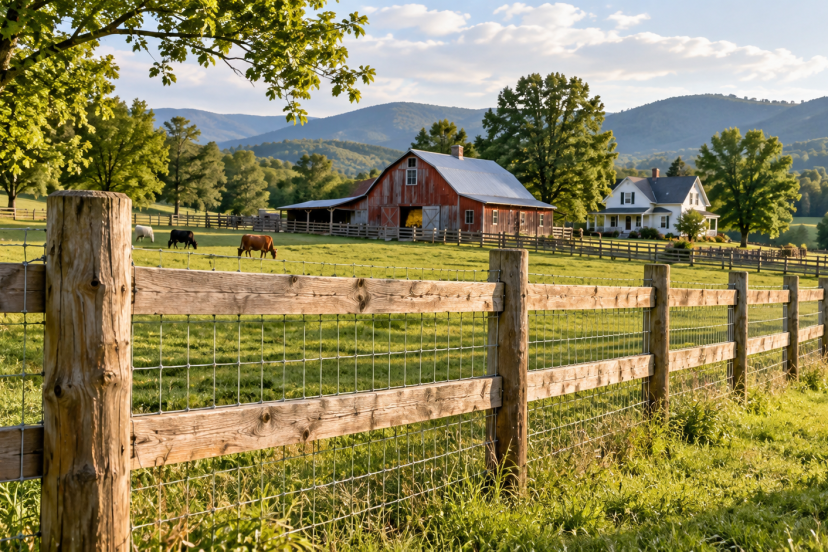
Woven wire with wood posts gives you the classic farm look with better livestock control.
The smaller openings make it harder for animals to slip through, so it can work well for sheep, goats, pigs, poultry areas, and pasture boundaries. Virginia Tech also notes that closely spaced woven wire can help with predator control for small ruminants.
Use strong, well-braced corner and gate posts, and choose a mesh size that suits the animals you keep.
3. Classic Farmhouse Board Fence
A three- or four-board wooden fence works best where appearance matters.
It is a popular choice around entrances, barns, driveways, and horse paddocks. Natural wood feels traditional, while black or white finishes create a cleaner look.
Board fencing usually costs more than wire and needs more maintenance. To control costs, use it in visible areas and choose woven wire or another practical system elsewhere.
4. High-Tensile Electric Fence
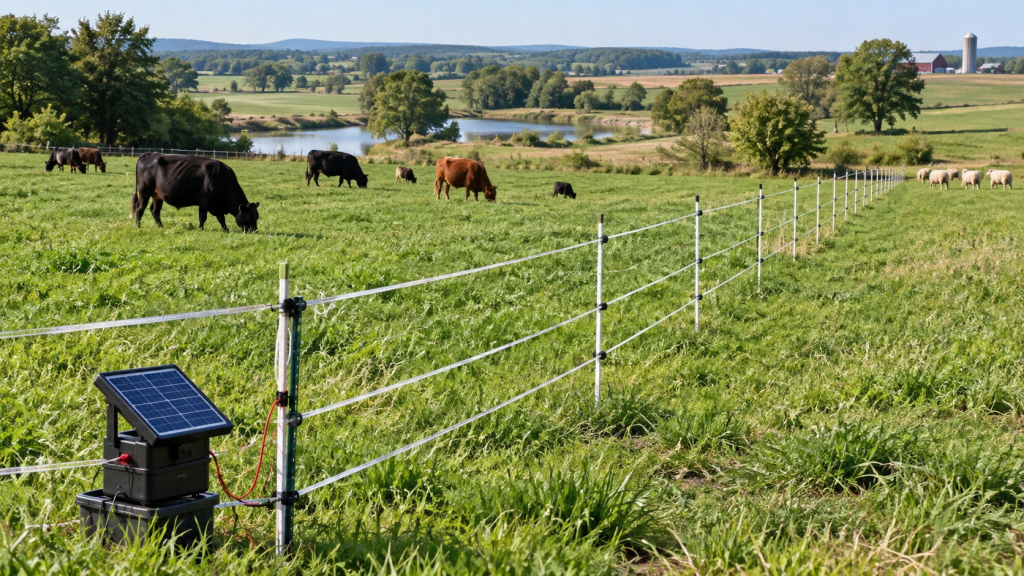
High-tensile electric fencing is useful for covering large pasture areas without creating a heavy visual barrier.
Animals learn to respect the energized wires, so proper training is important. University of Maine Extension recommends introducing livestock to electric fencing in a secure area first.
Keep weeds and branches away from the wire, and check the system regularly for damaged insulators, broken lines, or grounding problems.
5. Portable Electric Pasture Fence
Portable electric fencing is ideal when you need to move pasture boundaries.
Step-in posts with polywire, polyrope, or polytape can divide a large field into smaller grazing areas. This makes them useful for rotational grazing and changing paddock layouts.
USDA guidance supports dividing pasture into paddocks so livestock can move between areas while grazed sections recover. Portable fencing is usually best for interior divisions rather than permanent property boundaries.
6. Welded Wire Garden Fence
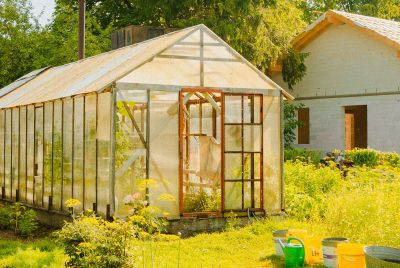
Welded wire is a practical choice for protecting vegetable gardens, raised beds, berry bushes, and young fruit trees.
You can attach it to wood posts for a more finished look or use metal posts for faster installation. Choose the mesh size carefully, since openings that stop dogs may still allow rabbits through.
For poultry owners, a fenced garden can work alongside a free-range chicken setup and keep birds from scratching through newly planted beds.
7. Picket Fence for the Homestead Garden
A wooden picket fence works well around kitchen gardens and other areas where appearance is a priority.
It defines the space without making it feel enclosed, and it pairs nicely with arbor gates, flowering vines, or climbing vegetables.
Picket fencing offers limited protection on its own. If you need to keep smaller animals out, add discreet wire mesh behind the pickets.
8. Post-and-Wire Chicken Fence
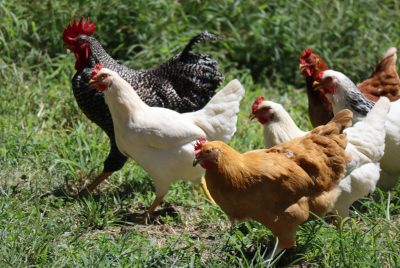
A post-and-wire fence gives chickens a defined outdoor area while helping protect gardens and patios.
Wood posts provide a sturdy framework, while wire mesh handles the actual containment. Choose stronger mesh and smaller openings if predator protection is important.
The fence should work with a secure coop, not replace one. Check doors, latches, ventilation openings, and ground-level gaps regularly.
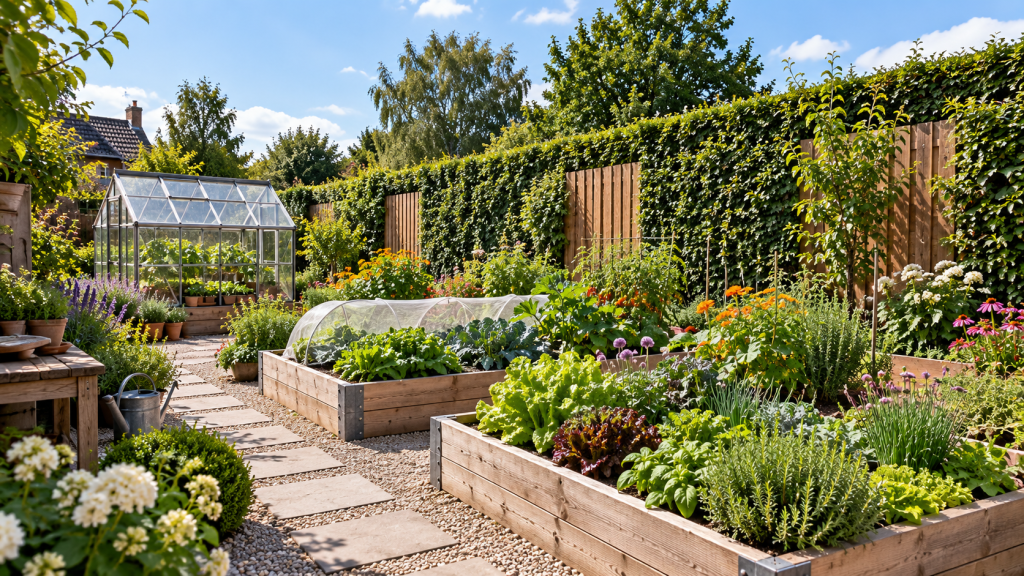
9. Living Hedge and Fence Combination
A living hedge can soften the look of a practical wire or wood fence while adding privacy.
Native shrubs, berry-producing plants, or thorny varieties can all work, depending on your climate. Leave enough space to inspect and repair the fence when needed.
Keep dense growth away from electric wires, since branches and vegetation can interfere with performance.
10. Reclaimed Wood Homestead Fence
Reclaimed wood is a good option for decorative fencing around gardens, workshops, compost areas, and other low-risk spaces.
Weathered boards add character, but every piece should be inspected before use. Remove old nails, check for rot, and avoid badly weakened lumber.
Be cautious with wood of unknown origin near food-growing areas or animals, since older boards may have been treated with chemicals.
Recommended Products for Homestead Fencing
These products represent common components used in garden, pasture, and electric homestead fence ideas.
1. YARDGARD 14-Gauge Galvanized Welded Wire
This galvanized welded wire can be used around gardens, animal areas, and general utility enclosures. Its 2-by-4-inch mesh provides a physical barrier while still allowing good visibility.
Best for: Garden fencing and utility enclosures.
2. Zareba EAC10M-Z Low-Impedance Fence Charger
The Zareba EAC10M-Z is an AC-powered energizer designed for electric fencing. The manufacturer rates it for up to 10 miles of fence under suitable conditions, and it works with steel and poly fencing.
Best for: Electric fencing near a reliable power source.
3. Fi-Shock Fence Posts
These 4-foot posts are designed for temporary electric fencing. Built-in clips hold wire or polytape, while the step-in base makes them easier to install and move.
Best for: Rotational grazing and temporary paddocks.
4. Gallagher Poly Wire 656-Foot Roll
Polywire is lightweight and easy to roll up when a temporary fence needs to move. It works well for interior pasture divisions used with a compatible electric fencing system.
Best for: Portable electric pasture fencing.
5. Electric Fence Insulators
Fence insulators keep energized wire separated from conductive posts. They are an essential component when electric wire is installed on compatible wood or metal fencing systems.
Best for: Electric fence installation and repair.
What Agricultural Experts Say About Fencing
Fence layout can affect livestock movement, grazing efficiency, maintenance, and access to water.
The Virginia Tech guidance on permanent grazing infrastructure recommends considering terrain, existing fences, water locations, animal movement, and permanent perimeter boundaries when planning grazing infrastructure.
Thinking through those factors before installing posts can prevent awkward gate locations, difficult livestock movement, and unnecessary fencing.
The USDA guidance on rotational grazing and pasture management also explains how dividing pasture into paddocks can control where animals graze and allow previously grazed sections time to recover.
The main takeaway is that fencing should support the overall layout and daily operation of the homestead, not simply follow the edge of the property.
Conclusion
The best homestead fencing combines secure boundaries with practical land management. Permanent woven wire or board fencing can handle important boundaries, while portable electric fencing, welded wire, and specialized enclosures can solve more specific problems around pasture, gardens, and poultry. Before choosing a design among these homestead fence ideas, consider what the fence must contain or exclude, how much maintenance it will require, and whether the layout will still make sense as the property changes. A fence chosen for the right job will usually provide better value, require fewer corrections, and make the homestead easier to manage over time.
FAQs
What is the best fencing for a homestead?
The best option among these homestead fence ideas depends on its purpose. Woven wire works well for many permanent livestock areas, electric fencing can help manage pasture, and wood fencing is useful where appearance is a priority.
What is the cheapest homestead fence idea?
Temporary electric fencing can be an economical choice for interior pasture divisions because it uses fewer heavy materials than permanent wood or woven-wire fencing. Costs still depend on fence length, terrain, hardware, and local material prices.
What fence is best around a homestead garden?
Welded wire or another appropriately sized mesh is a practical choice. Select the height and opening size based on the animals you need to keep out.
Can I use different fence styles on one homestead?
Yes. Using several fence styles often makes more sense than choosing one for the entire property. Each area can have a fence suited to its specific purpose.
How long should a homestead fence last?
How long a fence lasts is influenced by build quality, material choice, climate, soil, animal contact, and regular maintenance. Regular inspections and quick repairs can significantly extend the useful life of most fencing systems.