
How to Raise Free Range Chicken on Your Homestead
We may earn a commission for purchases made using our links. Please see our disclosure to learn more.
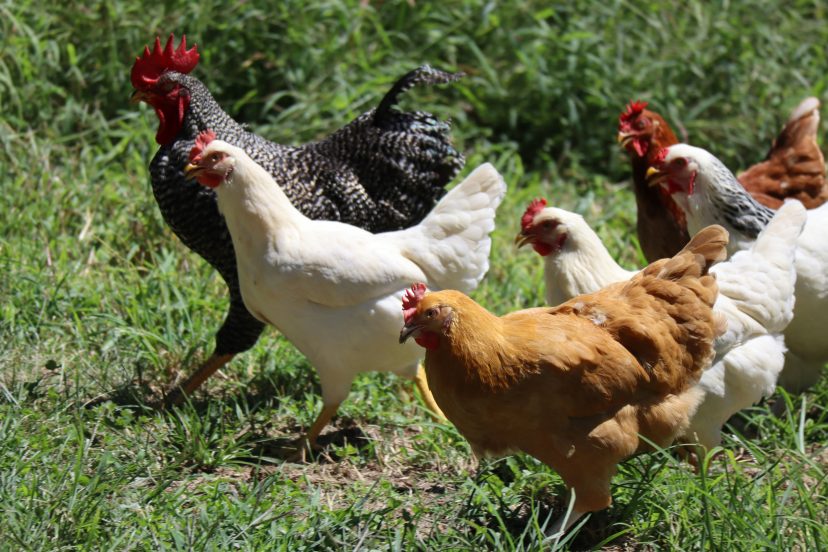
A flock scratching through the grass is an appealing homestead sight. Raising free range chicken can also be rewarding work: your birds get room to explore, and you get a closer look at how they behave and what your land can support. The part that surprises new keepers is how much planning happens before the coop door opens. Chickens still need dependable feed, clean water, shelter, and protection from predators. Start with a manageable flock and a safe home base, then give them more room as you learn their habits.
What Does “Free Range” Mean at Home?
On a homestead, free ranging usually means chickens can spend part of the day outside their coop and run, exploring a yard, orchard, or pasture. You decide whether that area is fenced, how long the birds stay out, and when to bring them in.
It doesn’t have to mean unlimited access to your whole property. A fenced area or supervised afternoon outside can be a sensible starting point. Chickens tend to investigate garden beds, mulch, and neighboring yards with equal enthusiasm, so choose their boundaries before they choose for you.
Choose a Flock You Can Manage
For a first flock, a few hens are easier to observe and protect than a large group. Check local rules before buying birds, especially if you live near neighbors. Local rules may cap the number of chickens you keep or bar you from keeping a rooster.
Choose birds for your climate and purpose. If eggs are your priority, ask a reputable hatchery or local breeder about laying breeds that suit your weather. If you’re buying chicks, plan for brooding and the weeks of care they need before they can live outside. Started pullets cost more up front but shorten that wait.
Decide who will feed the birds, check water, collect eggs, and close the coop each evening. Chickens need that routine even on busy days or when you travel. If you’re still setting up the rest of your property, these beginner homesteading skills offer a useful way to plan the workload.
Build the Coop Before You Bring Birds Home
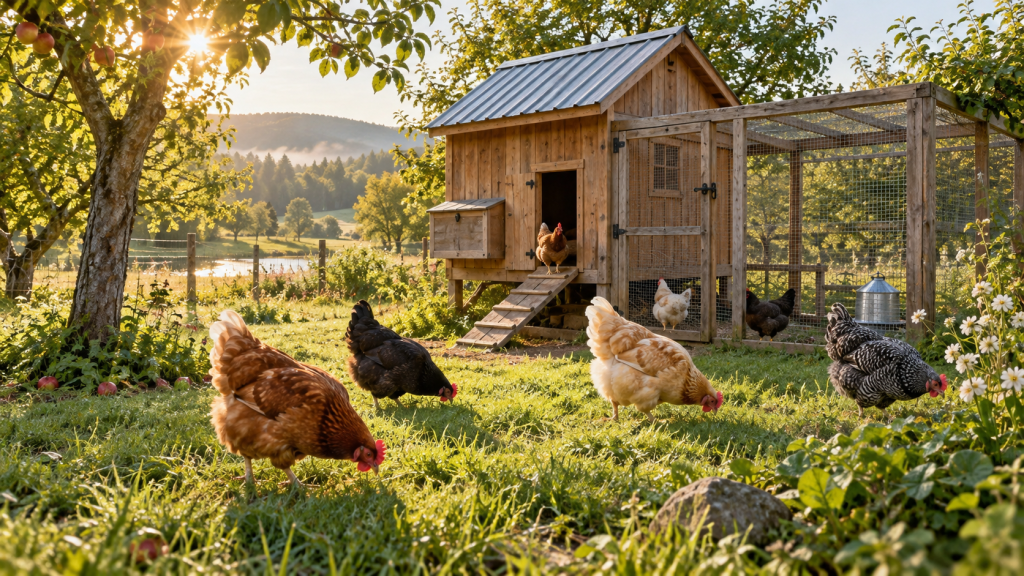
Your coop is where the free range chicken flock sleeps, lays eggs, and takes shelter. Put it on well-drained ground and make it easy for you to enter, clean, and inspect. A coop that is awkward to maintain soon becomes an unpleasant daily chore.
Aim for a dry interior with ventilation above the birds’ roosting area, secure doors, sturdy roosts, and accessible nest boxes. Give the flock enough room to move without crowding. Penn State Extension’s small-scale poultry housing guide explains why drainage, airflow, space, and predator protection all matter in a chicken house.
Inspect every opening. Predators may reach through gaps or dig at the edges of a run, and a simple latch may be easier to open than it looks. If you’re building from scratch, use this beginner’s chicken coop guide to think through shelter and access before buying materials.
Give Them a Secure Run, Too
A run gives your free range chicken outdoor time when you cannot watch them range. Place it where they can find both sun and shade, and make sure they can reach water. A covered run offers added protection when aerial predators are a concern.
Measure your usable space before expanding the flock. Bare, muddy ground around the coop is a sign that a small area is getting heavy use. You may need more space, better drainage, or a way to rotate where the chickens spend their days.
Introduce Free Ranging Gradually
Let new birds learn that the coop is home before giving them access to a larger area. Once they know where food, water, roosts, and nest boxes are, begin with a short outing while you’re nearby. Late afternoon can make the first return easier because the birds are closer to their usual roosting time.
Watch where they actually go. Are they slipping under a gate, heading for the road, or digging up seedlings? Those first outings tell you where fencing or supervision matters most.
Count the flock when you close up at dusk. An automatic door can help with a consistent schedule, but you still need to confirm that every bird made it inside.
Feed the Flock Even When It Forages
Free ranging lets chickens scratch for plants, seeds, and insects. What they find changes with the season and the land, so foraging should supplement a complete feed rather than replace it.
Offer feed suited to the birds’ age and purpose. Laying hens also need appropriate calcium; keep a separate calcium source available when their feeding plan calls for one. Penn State Extension’s laying flock management guidance covers balanced layer rations, grit, and calcium.
Keep clean water available wherever the flock spends its time. Check it more often in hot weather and make sure it remains accessible during freezing weather. A large waterer saves refilling trips, but it still needs regular cleaning. If you’re comparing designs, this guide to chicken waterers can help you match one to your setup.
Protect Your Garden and Manage the Ground
Chickens can help turn over leaf litter, but they do not know which plants you wanted to keep. Fence off vegetable beds and young plants, or let birds visit selected areas only after harvest. Moveable fencing can help you guide their scratching without giving up the whole garden.
Pay attention to heavily used spots near the coop, feeder, and waterer. Move equipment when practical, clear wet bedding, and address drainage before a small muddy patch becomes a permanent one. If you plan to use chicken manure in the garden, compost or age it appropriately first; this homemade fertilizer guide explains why fresh manure needs care around crops.
Watch for Predators and Illness
Predator pressure differs from one property to another. Look for digging around the run, damaged mesh, missing birds, or signs that wildlife has found the feed. Close the coop securely each night and store feed where rodents cannot reach it.
Free range birds may also encounter wild birds and their droppings. Keep wild birds away from the flock’s feed and water as much as possible, clean shared equipment, and avoid bringing unfamiliar birds straight into your flock. The University of Minnesota Extension’s poultry biosecurity guidance explains how contact with wild birds, people, and equipment can spread disease.
Get used to how your chickens normally look and act. A bird that hangs back, stops eating, or looks unusually weak deserves prompt attention. Contact a veterinarian or local extension office when you suspect illness, and follow current local advice during poultry disease outbreaks.
Keep a Simple Daily Routine
Check feed and water each morning, then scan the flock while they move. You will spot problems faster when you know which bird usually rushes out first and which one prefers the shade.
Collect eggs regularly and look through the nesting area. In the evening, count the birds, shut them in, and test the latch. Set aside time each week to clean waterers, remove soiled bedding, and inspect fencing. Seasonal changes may require more shade, a different watering plan, or fewer hours outside.
Recommended Products for a Free Range Chicken Setup
These five product types solve common setup problems. Check dimensions, current listing details, and compatibility with your coop before ordering.
- ½-Inch Hardware Cloth — Useful for reinforcing suitable coop and run openings. Measure your project first so you buy enough mesh and secure it properly.
- Harris Farms Poultry Drinker — A portable waterer for placing clean water near the flock. Pick a size you can comfortably lift and wash.
- Harris Farms Large Flock Easy-Fill Poultry Drinker — An option if your flock or layout calls for a larger water supply. Capacity does not replace daily water checks.
- Solar Automatic Chicken Coop Door — May help maintain an opening and closing schedule. Check its opening size and safety features, and count your birds each night.
- Harris Farms Heated Poultry Drinker Base — Worth considering where water freezes. Confirm that your drinker and installation location meet the product’s compatibility and use instructions.
Conclusion
A good free range chicken routine starts with a secure coop, a practical outdoor area, and daily attention. Give your chickens time to learn their home, watch how they use the land, and adjust the setup when you see muddy ground, escape routes, or signs of predator activity. You can start small and expand once both the flock and its care routine feel manageable.
FAQs
How much space do free range chickens need?
They need enough indoor and outdoor space to move comfortably without crowding or quickly stripping their range bare. The right amount depends on flock size, drainage, and how often you rotate access. Plan the coop and run first, then treat a larger ranging area as extra space.
Do free range chickens still need chicken feed?
Yes. Insects and plants vary by place and season. Offer a complete feed appropriate for the birds’ age and purpose, along with clean water every day.
Will free range chickens return to the coop at night?
Many birds return to a familiar roost at dusk, but check rather than assume. Introduce ranging gradually, keep a consistent routine, and count every bird before securing the coop.
Can I let chickens into my vegetable garden?
You can give them controlled access, especially after harvest, but protect seedlings and crops you want to keep. Chickens scratch, dig, and sample plants as they explore.
Is a rooster required for hens to lay eggs?
No. You don’t need a rooster to collect eggs from your hens. You would need a rooster for fertile eggs, subject to your local rules and flock plans.